
Product Overview
Paprika is a widely used spice produced from dried and ground sweet or mildly pungent varieties of Capsicum annuum peppers. It is valued for its vibrant red color, mild flavor, and versatility across culinary and food manufacturing applications. Paprika is extensively used in retail, food service, seasoning production, and industrial food processing, where it serves both as a flavoring and natural coloring ingredient.
Key Characteristics
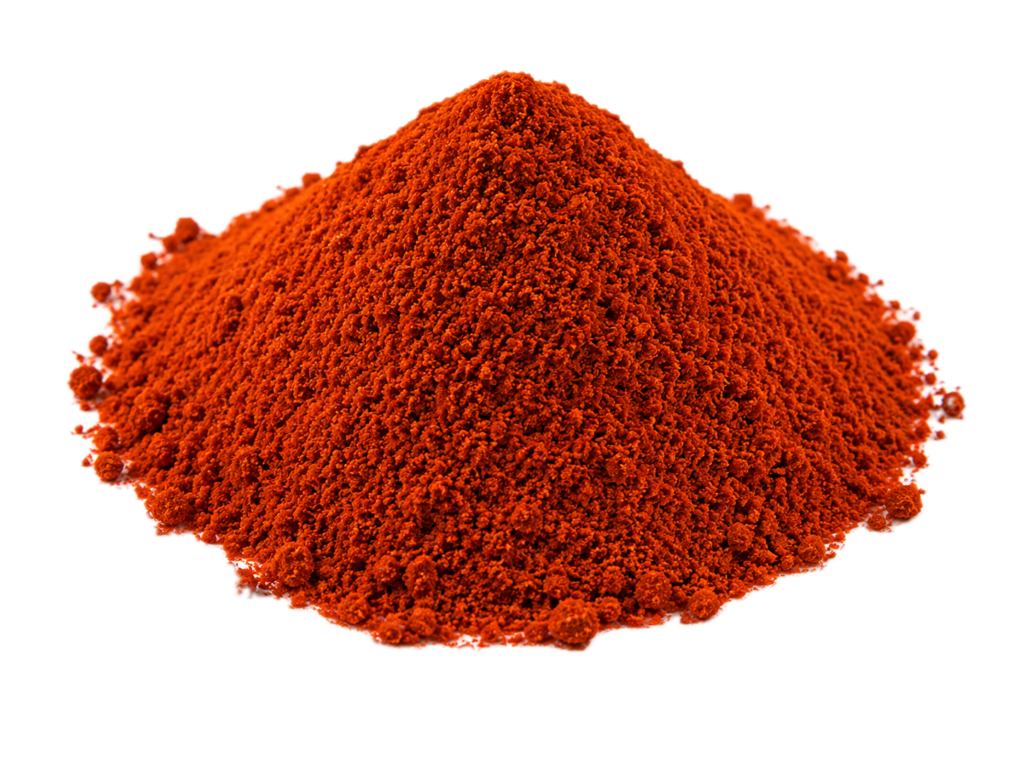
Paprika is a fine powder that ranges in color from bright red to deep reddish-orange depending on the pepper variety and processing method. Flavor profiles can vary from sweet and mild to smoky or moderately pungent. High-quality paprika exhibits strong color intensity, a pleasant pepper aroma, and uniform particle size. The spice is commonly available in sweet, hot, and smoked varieties to meet different culinary requirements.
Nutritional Value
Paprika contains vitamins A, E, and small amounts of vitamin C, along with antioxidants such as carotenoids that contribute to its rich color. It also provides minerals including potassium, iron, and magnesium. The spice contains beneficial plant compounds that contribute to its flavor, color stability, and nutritional value.
Seasonality and Origin
Peak Harvest Season: August to October (for fresh peppers)
Paprika peppers are cultivated in many regions worldwide, with major production areas including Spain, Hungary, China, India, Peru, and the United States. After harvesting, peppers are dried and processed into powder, allowing paprika to be available year-round in global markets.
Common Applications
• Seasoning blends and spice mixes
• Meat and poultry products
• Soups and stews
• Sauces and marinades
• Snack food manufacturing
• Rice and vegetable dishes
• Natural food coloring applications
Storage and Handling
Proper storage is essential to preserve color, flavor, and product quality.
• Recommended storage temperature: 50°F to 70°F
• Relative humidity: Below 65%
• Shelf life: 12–24 months under optimal conditions
• Store in a cool, dry environment
• Protect from direct sunlight and moisture exposure
• Keep containers tightly sealed when not in use
• Avoid contact with strong odors and contaminants
• Rotate inventory regularly to maintain color intensity
Origin and Background
Paprika originated from chili peppers native to the Americas and was introduced to Europe following global exploration and trade. The spice became particularly important in Hungary and Spain, where specialized cultivation and processing methods were developed. Today, paprika is produced worldwide and is valued for its culinary versatility, color-enhancing properties, and broad commercial applications. Modern production focuses on color consistency, flavor quality, and compliance with international food safety standards.
Grades and Quality Standards
Extra Fancy Grade
• Bright, uniform red coloration
• Fine and consistent particle size
• Strong color value and pleasant aroma
• Low moisture content
• Free from foreign material and contamination
Fancy Grade
• Slight variations in color intensity and texture
• Good flavor and aroma characteristics
• Minor quality variations permitted within specifications
Commercial / Processing Grade
• Greater variation in color and particle size allowed
• May be blended to meet specific color or flavor requirements
• Used in seasoning blends, food manufacturing, processed foods, and industrial applications