
Product Overview
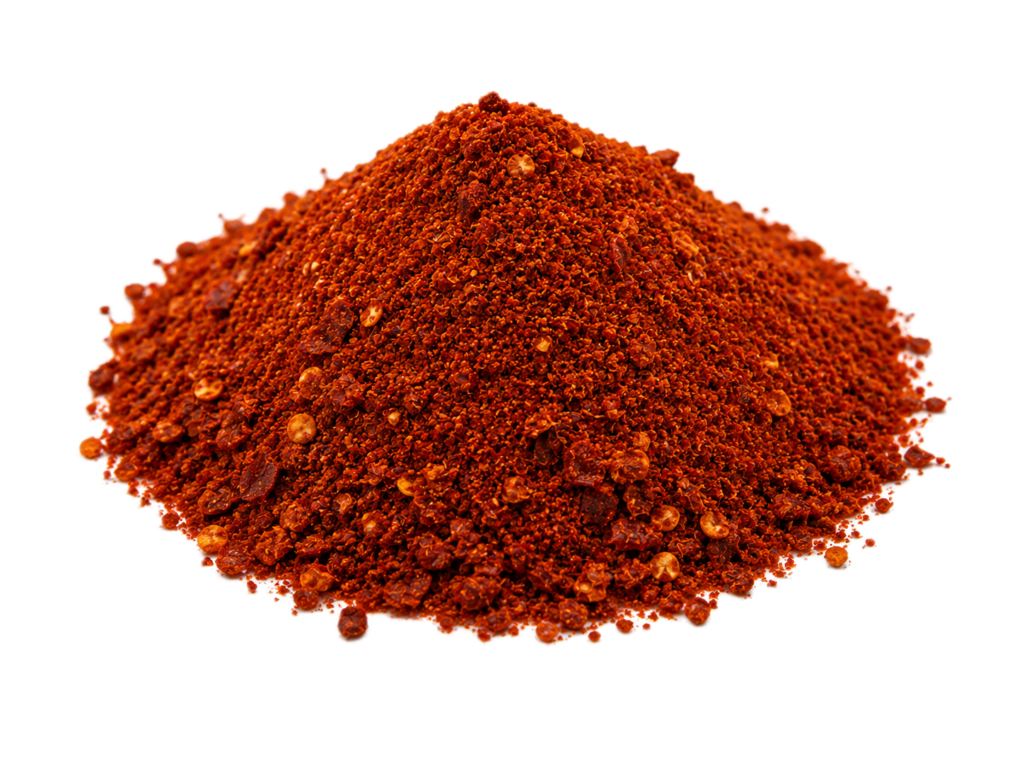
Chili powder is a widely used spice product made from dried and finely ground chili peppers, often blended with additional spices depending on regional and commercial formulations. It is valued for its vibrant color, distinctive flavor, and varying levels of heat. Chili powder is an essential ingredient in food service, retail, and industrial food manufacturing, offering versatility across a broad range of culinary applications.
Key Characteristics
Chili powder is a fine, free-flowing powder that ranges in color from bright red to deep reddish-brown. Flavor profiles vary depending on the pepper varieties used and may range from mildly sweet and smoky to intensely spicy. Heat levels can vary significantly based on capsaicin content. High-quality chili powder exhibits strong aroma, consistent color, and minimal moisture content to ensure product stability and shelf life.
Nutritional Value
Chili powder is low in calories and contains dietary fiber along with vitamins A, C, and E. It also provides minerals such as potassium, iron, magnesium, and manganese. The spice contains antioxidants and naturally occurring capsaicinoids, which contribute to its pungency and functional properties.
Seasonality and Origin
Availability: Year-Round
Chili powder is produced globally using chili peppers grown in major agricultural regions including India, China, Mexico, the United States, Peru, and Thailand. Because it is a processed and shelf-stable product, chili powder is available throughout the year with consistent market supply.
Common Applications
• Seasoning and spice blends
• Sauces and condiments
• Soups and stews
• Marinades and dry rubs
• Snack food manufacturing
• Meat processing applications
• Prepared and packaged foods
Storage and Handling
Proper storage is essential to preserve color, flavor, and potency.
• Recommended storage temperature: 50°F to 70°F
• Relative humidity: Below 65%
• Shelf life: 12–24 months under optimal conditions
• Store in a cool, dry environment
• Protect from direct sunlight and moisture exposure
• Keep containers tightly sealed when not in use
• Avoid contact with strong odors and contaminants
• Use clean, dry utensils during handling
Origin and Background
Chili powder originated from the long history of chili pepper cultivation in Central and South America. As chili peppers spread globally through trade and exploration, dried and ground pepper products became an important culinary ingredient in many cultures. Modern chili powder production focuses on consistent color, heat level, flavor profile, and compliance with food safety and quality standards.
Grades and Quality Standards
Extra Fancy Grade
• Uniform bright red coloration
• Fine particle consistency
• High flavor intensity and aroma
• Low moisture content
• Free from foreign materials and contamination
Fancy Grade
• Slight variations in color and particle size
• Good flavor and aroma characteristics
• Minor quality variations permitted within specifications
Commercial / Processing Grade
• Greater variation in color and texture allowed
• May include blended formulations for specific applications
• Used in food manufacturing, seasoning blends, sauces, and industrial processing