
Product Overview
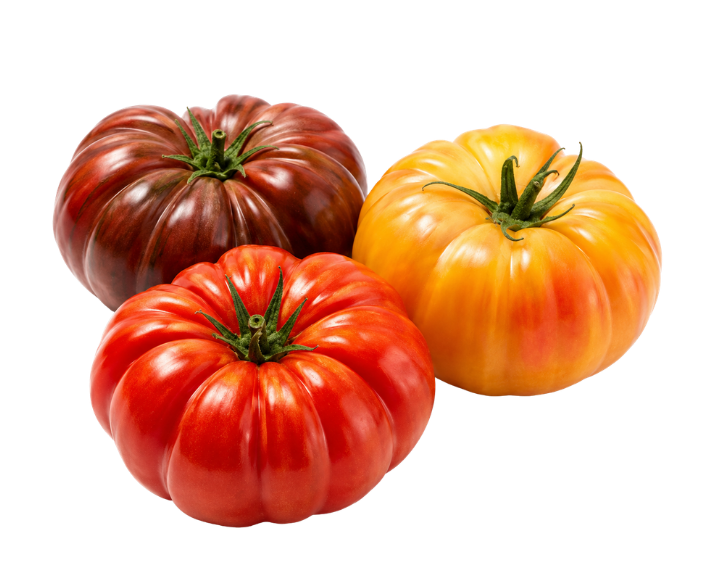
Heirloom tomatoes are traditional, open-pollinated tomato varieties preserved and passed down through generations. They are highly valued for their exceptional flavor, unique shapes, vibrant colors, and historical significance. Heirloom tomatoes are a premium commodity in specialty produce, retail, farmers’ markets, and gourmet food service sectors.
Key Characteristics
Heirloom tomatoes vary widely in size, shape, and color, including red, yellow, orange, green, purple, black, and striped varieties. The flesh is typically juicy, tender, and richly flavored with a balance of sweetness and acidity. Their irregular shapes and distinctive appearance are characteristic features. Heirloom tomatoes are climacteric fruits and continue to ripen after harvest.
Nutritional Value
Heirloom tomatoes are low in calories and rich in vitamin C, vitamin A, potassium, and antioxidants such as lycopene and beta-carotene. Different color varieties may contain unique phytonutrients that contribute additional nutritional benefits.
Seasonality and Origin
Heirloom tomatoes are primarily grown during the warm growing season and are most abundant from late spring through early fall. Major production regions include the United States, Mexico, Italy, and other areas with strong specialty produce markets. Availability may be limited outside peak seasons.
Common Applications
• Fresh salads
• Sandwiches and burgers
• Caprese salads
• Gourmet culinary presentations
• Roasting and grilling
• Fresh consumption
Storage and Handling
Proper handling is essential due to their delicate nature.
• Recommended storage temperature: 55°F to 70°F
• Relative humidity: 85–90%
• Shelf life: 5–10 days under optimal conditions
• Store at room temperature for best flavor
• Avoid refrigeration when possible
• Handle carefully to prevent bruising and cracking
• Protect from direct sunlight and excessive heat
Origin and Background
Heirloom tomatoes are traditional varieties that have been cultivated and preserved for decades, often over 50 years or more. Unlike many modern hybrid tomatoes, heirloom varieties are prized for flavor rather than shipping durability. Their diversity and historical significance have made them increasingly popular among chefs, gardeners, and specialty produce consumers.
Grades and Quality Standards
Extra Fancy Grade
• Exceptional color and variety-specific characteristics
• Firm yet ripe texture
• Free from major cracks, bruising, and defects
Fancy Grade
• Slight variations in shape and appearance
• Minor cosmetic imperfections allowed
• Suitable for retail distribution
Commercial / Processing Grade
• Visible defects permitted
• Maintains internal quality and flavor
• Used for foodservice and specialty processing applications.