
Product Overview
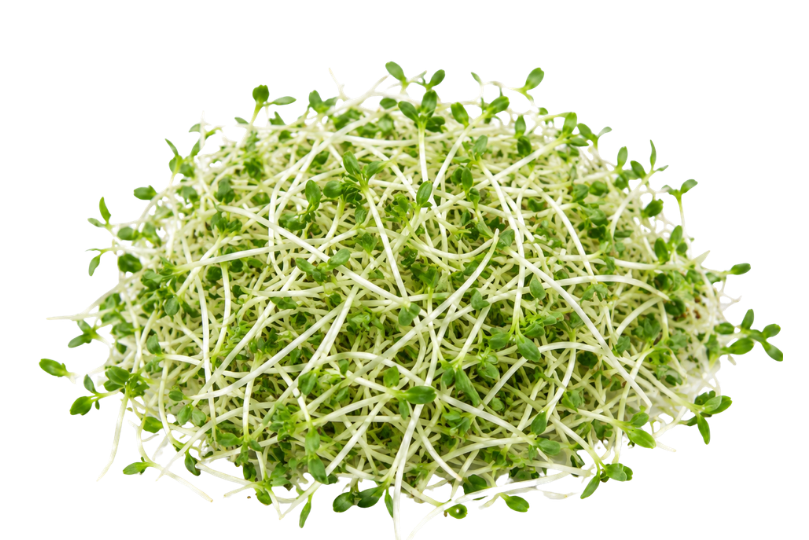
Alfalfa sprouts are young seedlings of the alfalfa plant, valued for their delicate texture, mild flavor, and nutritional benefits. They are widely used in fresh produce markets and are popular in retail and food service sectors as a healthy addition to salads, sandwiches, and wraps.
Key Characteristics
Alfalfa sprouts consist of thin white stems with small green leaves. They have a crisp, tender texture and a mild, slightly nutty flavor. Sprouts are harvested shortly after germination and are highly perishable. Alfalfa sprouts are non-climacteric and do not continue to develop after harvest.
Nutritional Value
Alfalfa sprouts are low in calories and provide dietary fiber, vitamin K, vitamin C, and folate. They also contain antioxidants and small amounts of calcium, magnesium, and potassium, making them a nutritious addition to fresh diets.
Seasonality and Origin
Alfalfa sprouts are produced year-round in controlled indoor growing environments. Major production occurs in North America, Europe, and Asia. Continuous cultivation ensures a consistent supply throughout the year.
Common Applications
• Fresh salads
• Sandwiches and wraps
• Garnishing
• Smoothies and health foods
• Vegetable platters
• Specialty culinary preparations
Storage and Handling
Proper handling is essential due to their highly perishable nature.
• Recommended storage temperature: 32°F to 36°F
• Relative humidity: 95–100%
• Shelf life: 3–7 days under optimal conditions
• Keep refrigerated at all times
• Store in moisture-retentive packaging
• Avoid excessive handling and compression
• Wash thoroughly before use
Origin and Background
Alfalfa sprouts originate from alfalfa seeds, a crop historically cultivated as animal forage. Sprouting for human consumption became popular due to their nutritional value and fresh taste. Today, alfalfa sprouts are a staple ingredient in health-conscious and fresh-food markets.
Grades and Quality Standards
Extra Fancy Grade
• Fresh, crisp sprouts with bright green leaves
• Uniform size and appearance
• Free from discoloration, wilting, and defects
Fancy Grade
• Slight variations in size and appearance
• Minor cosmetic imperfections allowed
• Suitable for retail distribution
Commercial / Processing Grade
• Visible defects permitted
• Maintains internal quality
• Used for foodservice and processing applications