
Product Overview
Thyme is a widely used culinary herb valued for its aromatic flavor, versatility, and importance in fresh and dried herb markets. It is an essential commodity in retail, food service, and food processing sectors. Thyme is commonly used in seasoning blends, savory dishes, and gourmet cuisine due to its distinctive fragrance and flavor profile.
Key Characteristics
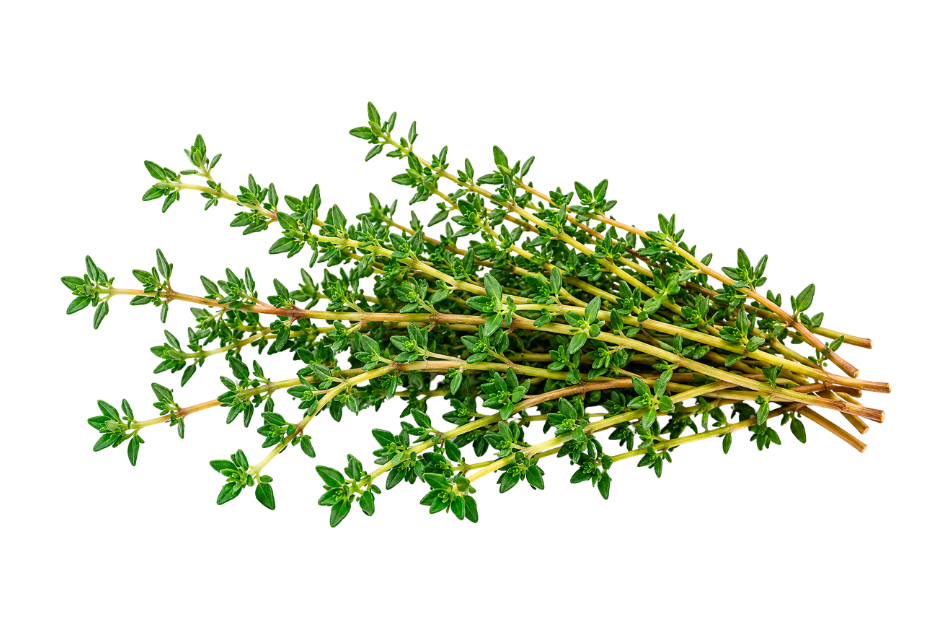
Thyme is a low-growing herb with small, oval-shaped green leaves attached to thin woody stems. The leaves have a delicate texture and a strong earthy aroma. Flavor is savory, slightly minty, and mildly floral with subtle peppery notes. Thyme is typically marketed as fresh sprigs or dried leaves.
Nutritional Value
Thyme contains antioxidants and provides small amounts of vitamin C, vitamin A, iron, and manganese. Although generally consumed in small quantities, it contributes beneficial plant compounds and flavor without adding significant calories.
Seasonality and Origin
Thyme is grown in Mediterranean and temperate climates and is available year-round through field cultivation and greenhouse production. Major producing regions include the United States, Spain, France, Morocco, and other Mediterranean countries.
Common Applications
• Seasoning meats and poultry
• Soups and stews
• Sauces and gravies
• Roasted vegetables
• Herb blends and spice mixes
• Mediterranean and European cuisine
Storage and Handling
Proper handling is essential to maintain freshness and aroma.
• Recommended storage temperature: 32°F to 36°F
• Relative humidity: 90–95%
• Shelf life: 1–2 weeks under optimal conditions
• Store in moisture-retentive packaging
• Keep refrigerated at all times
• Avoid excessive moisture accumulation
• Handle gently to prevent leaf loss and bruising
Origin and Background
Thyme originated in the Mediterranean region and has been cultivated for thousands of years for culinary and aromatic uses. It became widely distributed throughout Europe and later around the world through trade and agriculture. Modern production focuses on aroma intensity, leaf quality, and shelf life.
Grades and Quality Standards
Extra Fancy Grade
• Fresh, vibrant green leaves and stems
• Strong aroma and flavor
• Free from yellowing, wilting, and defects
Fancy Grade
• Slight variations in size and appearance
• Minor cosmetic imperfections allowed
• Suitable for retail distribution
Commercial / Processing Grade
• Visible defects permitted
• Maintains flavor and aromatic quality
• Used for drying, seasoning blends, and bulk processing applications