
Product Overview
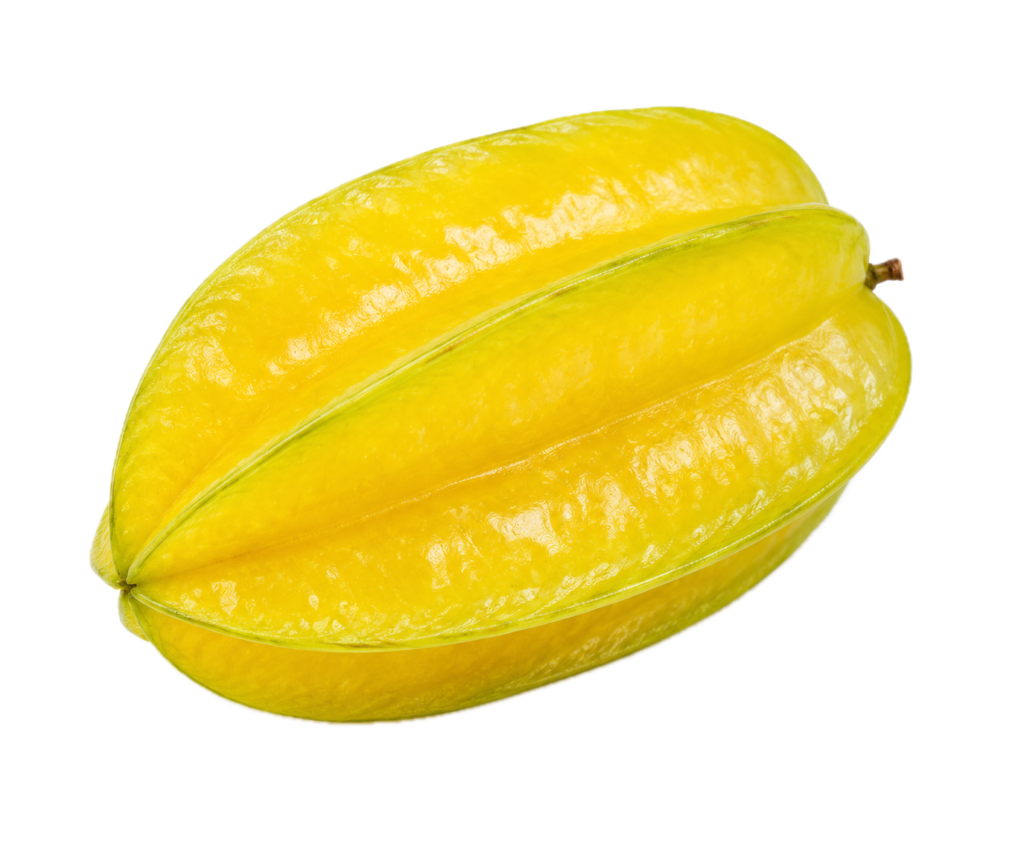
Star fruit, also known as carambola, is a tropical fruit valued for its distinctive star-shaped cross-sections, crisp texture, and refreshing flavor. It is an important specialty commodity in fresh produce markets and is widely used in retail, food service, and culinary presentation applications. Its unique appearance and versatility make it popular in international markets.
Key Characteristics
Star fruit is an oblong fruit with five prominent ridges running lengthwise. The skin is thin, smooth, and waxy, turning from green to golden yellow as it ripens. The flesh is juicy, crisp, and translucent yellow. Flavor ranges from mildly tart to sweet depending on variety and maturity. Star fruit is non-climacteric and does not ripen significantly after harvest.
Nutritional Value
Star fruit is low in calories and provides vitamin C, dietary fiber, and antioxidants. It also contains small amounts of potassium and magnesium. Its high water content contributes to hydration and fresh consumption appeal.
Seasonality and Origin
Star fruit is grown in tropical and subtropical regions and is available year-round in many producing areas. Major producing countries include Malaysia, India, Thailand, Indonesia, the Philippines, and Taiwan. Continuous production supports consistent market availability.
Common Applications
• Fresh consumption
• Fruit salads
• Garnishing and decorative presentations
• Juices and beverages
• Desserts
• Preserves and culinary dishes
Storage and Handling
Proper handling is essential to maintain quality and prevent bruising.
• Recommended storage temperature: 41°F to 50°F
• Relative humidity: 85–90%
• Shelf life: 1–3 weeks under optimal conditions
• Store in a cool, well-ventilated area
• Refrigerate to extend freshness
• Handle carefully to avoid ridge damage
• Avoid excessive moisture accumulation
Origin and Background
Star fruit is believed to have originated in Southeast Asia and has been cultivated for centuries. It spread throughout tropical regions and gained international popularity due to its attractive appearance and refreshing flavor. Modern production focuses on improving sweetness, fruit size, and shelf life.
Grades and Quality Standards
Extra Fancy Grade
• Uniform size, shape, and golden-yellow coloration
• Smooth skin free from bruising and defects
• Proper maturity and freshness
Fancy Grade
• Slight variations in size and appearance
• Minor cosmetic imperfections allowed
• Suitable for retail distribution
Commercial / Processing Grade
• Visible defects permitted
• Maintains internal quality
• Used for juices, preserves, and processing applications