
Product Overview
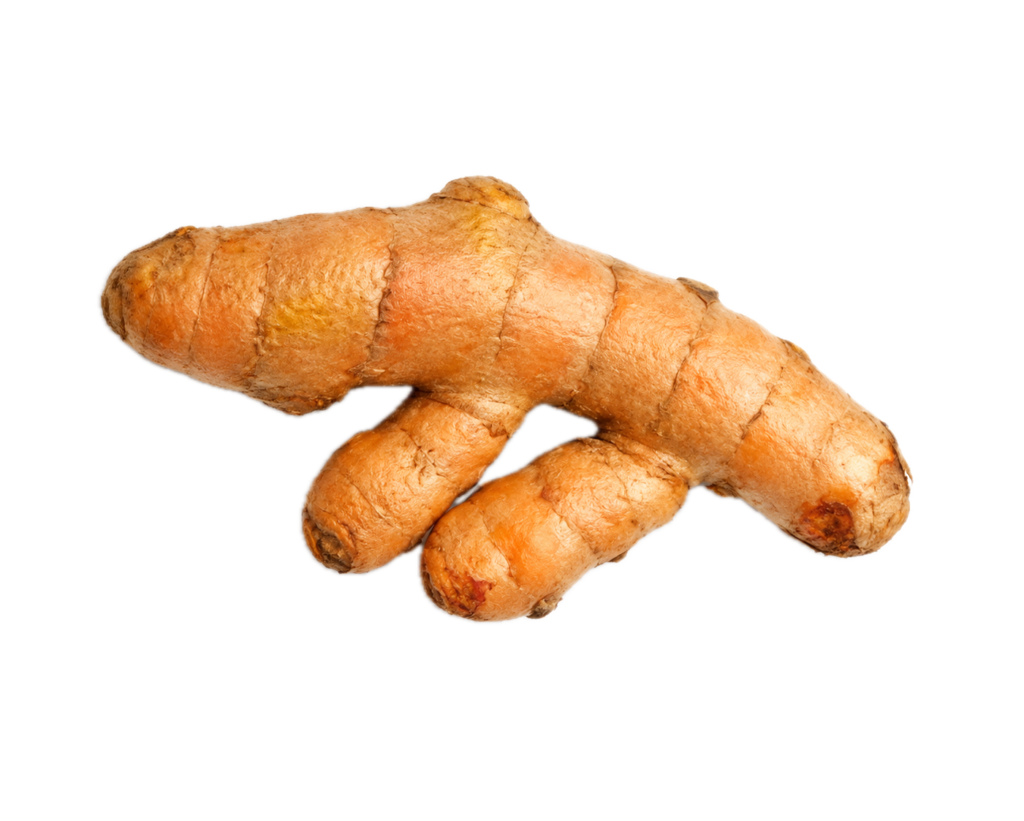
Turmeric root is a widely traded rhizome valued for its vibrant color, distinctive flavor, and extensive culinary and processing applications. It is an important commodity in fresh produce, spice, and food processing markets. Turmeric is commonly marketed fresh, dried, or processed into powder and plays a significant role in global cuisine and food industries.
Key Characteristics
Turmeric root is a finger-shaped underground rhizome with rough brown to tan skin and a bright orange-yellow interior. The texture is firm and fibrous with an earthy, warm, and slightly bitter flavor profile. It has a strong aroma and naturally releases a vivid yellow pigment. Turmeric root is non-climacteric and does not ripen after harvest.
Nutritional Value
Turmeric root contains antioxidants and bioactive compounds, particularly curcumin, which contributes to its characteristic color. It also provides dietary fiber and small amounts of vitamin C, potassium, and iron. Although generally consumed in small amounts, turmeric contributes beneficial plant compounds to the diet.
Seasonality and Origin
Turmeric is grown in tropical and subtropical regions and is available year-round through fresh harvests and stored inventory. Major producing countries include India, China, Indonesia, Bangladesh, and Thailand. India is the largest producer and exporter globally.
Common Applications
• Spice and seasoning preparations
• Curries and traditional dishes
• Beverages and teas
• Smoothies and wellness drinks
• Pickling
• Food processing and coloring applications
Storage and Handling
Proper handling is essential to maintain quality and prevent moisture loss.
• Recommended storage temperature: 55°F to 60°F
• Relative humidity: 85–90%
• Shelf life: 2–4 weeks under optimal conditions
• Store in a cool, dry, and well-ventilated area
• Avoid excessive moisture to reduce mold development
• Handle carefully to prevent cuts and bruising
• Refrigerate once cut or peeled
Origin and Background
Turmeric originated in South Asia and has been cultivated for thousands of years. It has historically played an important role in culinary traditions and trade. Modern production focuses on improving yield, color intensity, and rhizome quality for fresh and processed markets.
Grades and Quality Standards
Extra Fancy Grade
• Uniform size and shape
• Bright orange-yellow interior with strong color intensity
• Firm rhizomes free from cuts, decay, and defects
Fancy Grade
• Slight variations in size and appearance
• Minor surface imperfections allowed
• Suitable for retail distribution
Commercial / Processing Grade
• Visible defects permitted
• May include irregular shapes or surface damage
• Used for processing, powder production, and industrial applications