
Product Overview
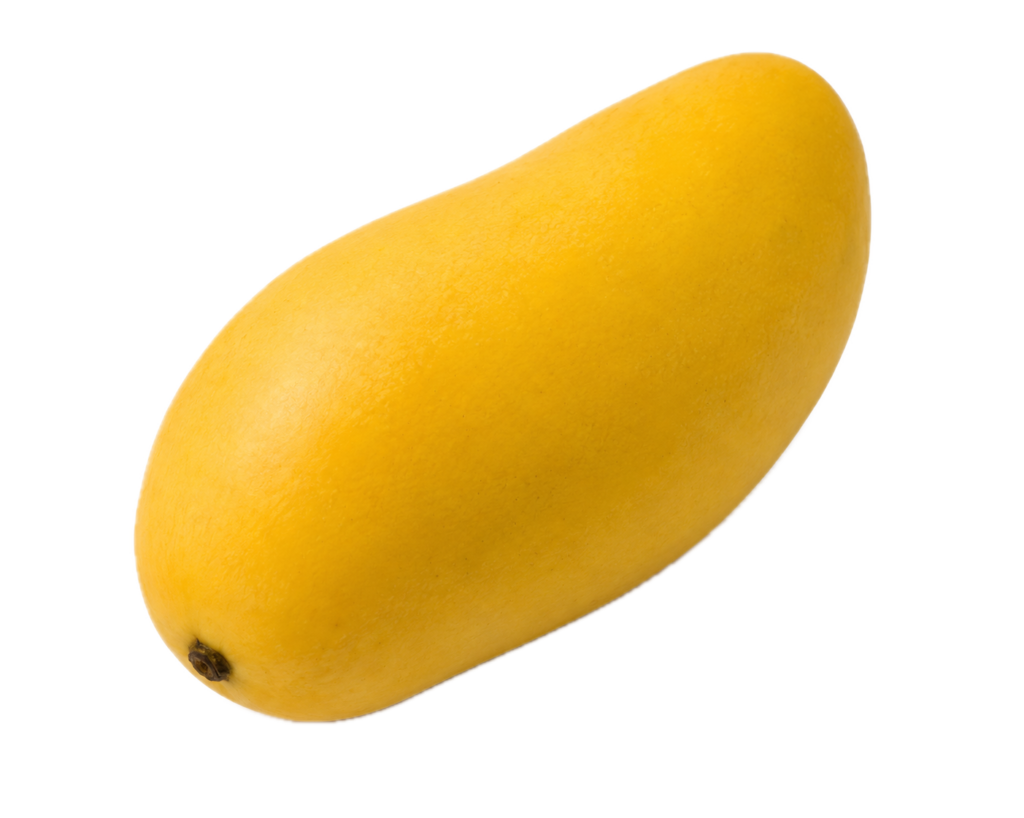
Manila mango is a popular mango variety valued for its sweet flavor, smooth texture, and aromatic profile. It is widely consumed fresh and is an important commodity in regional and export produce markets. Manila mangoes are particularly popular in Latin American and Asian markets due to their rich flavor and low fiber content.
Key Characteristics
Manila mangoes are medium-sized with an elongated, slender shape and thin yellow skin when ripe. The flesh is deep yellow to orange, soft, juicy, and nearly fiberless. Flavor is intensely sweet with floral and tropical notes. The seed is relatively thin, allowing for a high flesh-to-seed ratio. Manila mangoes are climacteric fruits and continue to ripen after harvest.
Nutritional Value
Manila mangoes are rich in vitamin C and vitamin A. They provide dietary fiber and antioxidants, including beta-carotene. Mangoes also contain potassium and natural sugars, contributing to overall nutritional value.
Seasonality and Origin
Manila mangoes are primarily grown in Mexico and parts of the Philippines. They are generally available from spring through summer, with seasonal variations depending on production regions. Mexico is a major supplier for North American markets.
Common Applications
• Fresh consumption
• Smoothies and beverages
• Fruit salads
• Desserts and confectionery
• Salsas and chutneys
• Purees and sauces
Storage and Handling
Proper handling is essential to maintain quality and manage ripening.
• Recommended storage temperature: 50°F to 55°F
• Relative humidity: 85–90%
• Shelf life: 1–2 weeks depending on ripeness
• Ripen at room temperature if firm
• Refrigerate once ripe to slow softening
• Handle carefully to prevent bruising
• Avoid exposure to temperatures below 50°F
Origin and Background
Manila mango is believed to have originated from mango varieties introduced from the Philippines to Mexico through historical trade routes. Over time, it became well established in Mexican agriculture and developed into a commercially important variety known for its flavor and smooth texture.
Grades and Quality Standards
Extra Fancy Grade
• Uniform size, shape, and yellow coloration
• Smooth skin with minimal blemishes
• Proper maturity and firm texture
Fancy Grade
• Slight variations in size and appearance
• Minor cosmetic imperfections allowed
• Suitable for retail distribution
Commercial / Processing Grade
• Visible defects permitted
• Maintains internal quality
• Used for juices, purees, and processing applications