
Product Overview
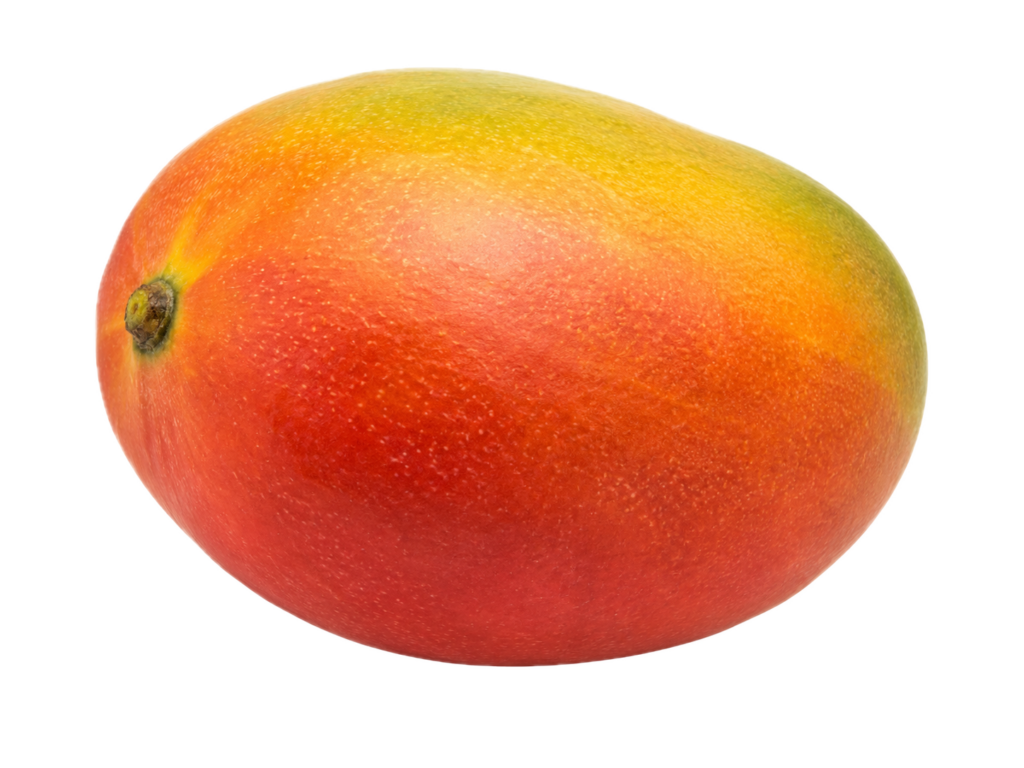
Tommy Atkins mango is one of the most commercially traded mango varieties worldwide, valued for its durability, long shelf life, and strong export performance. It is widely distributed in retail and food service sectors due to its attractive appearance and ability to withstand shipping and handling conditions.
Key Characteristics
Tommy Atkins mangoes are medium to large in size with an oval to oblong shape. The skin displays a combination of green, yellow, orange, and deep red blush depending on maturity. The flesh is firm, juicy, and moderately fibrous with a mild sweet flavor. The variety is known for its thick skin and good handling characteristics. Tommy Atkins mangoes are climacteric fruits and continue to ripen after harvest.
Nutritional Value
Tommy Atkins mangoes are rich in vitamin C and vitamin A. They provide dietary fiber and antioxidants, including beta-carotene. Mangoes also contain potassium and natural sugars, contributing to energy and overall nutrition.
Seasonality and Origin
Tommy Atkins mangoes are grown in tropical and subtropical regions. Major production areas include Mexico, Brazil, Peru, Ecuador, and the United States (Florida). Due to staggered growing seasons across regions, they are available in global markets for much of the year.
Common Applications
• Fresh consumption
• Smoothies and beverages
• Fruit salads
• Desserts and confectionery
• Salsas and chutneys
• Processed products
Storage and Handling
Proper handling is essential to maintain quality and manage ripening.
• Recommended storage temperature: 50°F to 55°F
• Relative humidity: 85–90%
• Shelf life: 2–3 weeks depending on ripeness
• Ripen at room temperature if firm
• Refrigerate once ripe to slow softening
• Handle carefully to prevent bruising
• Avoid exposure to temperatures below 50°F
Origin and Background
Tommy Atkins mango originated in Florida, United States, and became one of the dominant export varieties due to its excellent shipping qualities and disease resistance. Although less sweet and more fibrous than some specialty varieties, it remains highly important in global commercial trade because of its consistency and shelf stability.
Grades and Quality Standards
Extra Fancy Grade
• Uniform size, shape, and coloration
• Smooth skin with minimal blemishes
• Proper maturity and firmness
Fancy Grade
• Slight variations in size and appearance
• Minor cosmetic imperfections allowed
• Suitable for retail distribution
Commercial / Processing Grade
• Visible defects permitted
• Maintains internal quality
• Used for juices, purees, and processing applications