
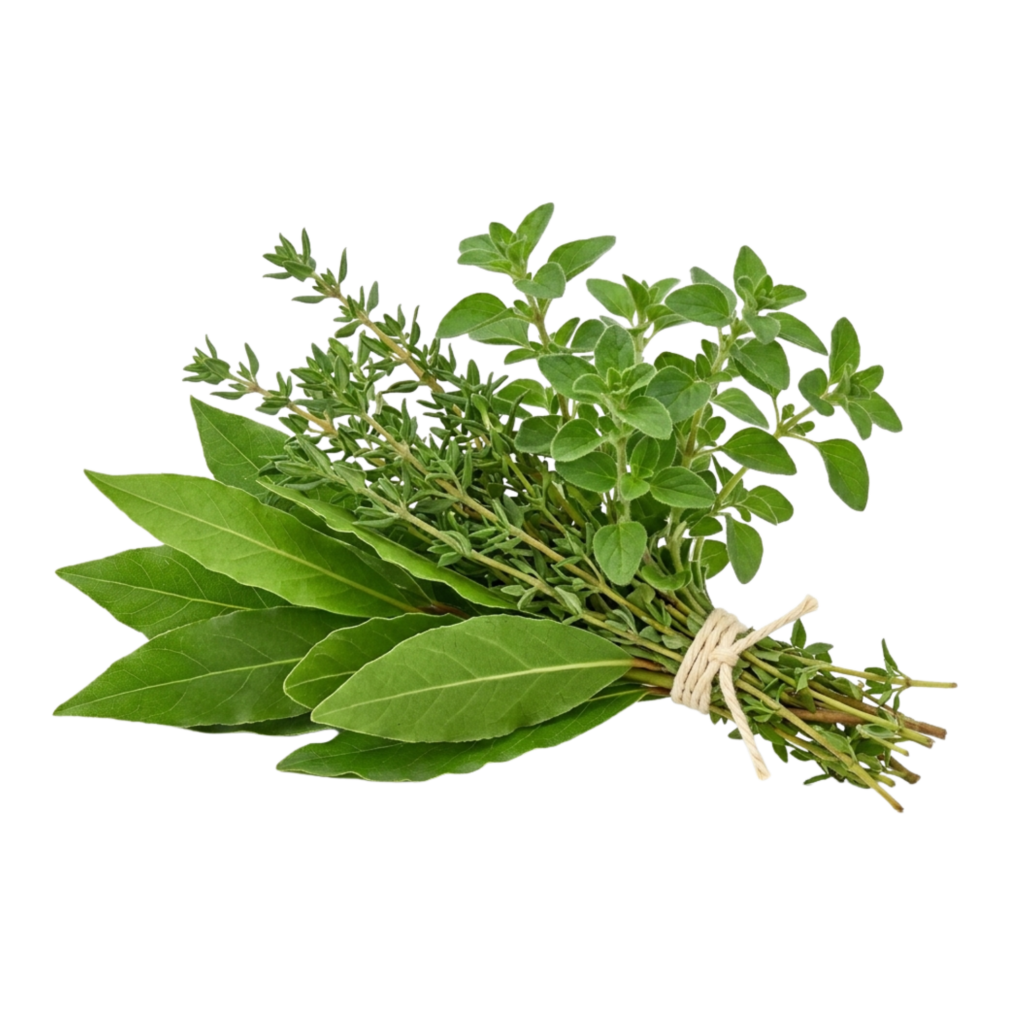
Product Overview
Hierba de olor is a traditional aromatic herb widely used in Caribbean and Latin American cuisines. The term often refers to a blend or grouping of fragrant herbs used to enhance flavor in soups, stews, and traditional dishes. It is valued for its strong aroma and culinary versatility, making it an important component in regional cooking and specialty produce markets.
Key Characteristics
Hierba de olor typically consists of leafy green herbs with soft to slightly firm textures, depending on the specific plants included. The leaves are vibrant green and highly aromatic. Flavor is complex, combining herbal, slightly peppery, and earthy notes. The aroma intensifies when crushed or cooked, enhancing the overall flavor of dishes.
Nutritional Value
Hierba de olor provides small amounts of vitamins such as vitamin A and C, along with antioxidants and essential oils. It is generally used in small quantities for flavor, so its primary value lies in its aromatic contribution rather than nutritional content.
Seasonality and Origin
Hierba de olor is grown in tropical climates and is commonly found in regions such as the Caribbean, Central America, and parts of South America. Availability is typically year-round due to continuous cultivation and harvesting of the herbs involved.
Common Applications
• Flavoring in soups and stews
• Seasoning for meats and seafood
• Traditional rice and bean dishes
• Herbal blends and marinades
• Regional and cultural recipes
• Garnishing in cooked dishes
Storage and Handling
Proper storage is essential to maintain freshness and aroma.
• Recommended storage temperature: 50°F to 55°F
• Relative humidity: 90–95%
• Store in a cool, shaded area or lightly refrigerated
• Keep stems in water if possible
• Avoid excessive moisture to prevent spoilage
• Handle gently to prevent leaf damage
Origin and Background
Hierba de olor has deep roots in Caribbean and Latin American culinary traditions. It represents a blend of herbs used historically to enhance flavor in everyday cooking. Its composition may vary by region, but its importance in traditional cuisine remains consistent.
Grades and Quality Standards
Extra Fancy Grade
• Fresh, vibrant green leaves
• Strong and pleasant aroma
• Clean and intact structure
• Free from damage and discoloration
Fancy Grade
• Minor variations in size and appearance
• Slight imperfections allowed
• Suitable for retail and food service
Commercial / Processing Grade
• Visible defects permitted
• May include slightly wilted or mixed-quality leaves
• Used for bulk cooking and processing