
Product Overview
Ginger is a widely used rhizome valued for its strong flavor, aromatic properties, and extensive use in culinary, medicinal, and processing applications. It is a key commodity in global produce markets, commonly sold fresh, dried, or processed. Ginger plays an essential role in both traditional and modern cuisines, as well as in beverages and health-related products.
Key Characteristics
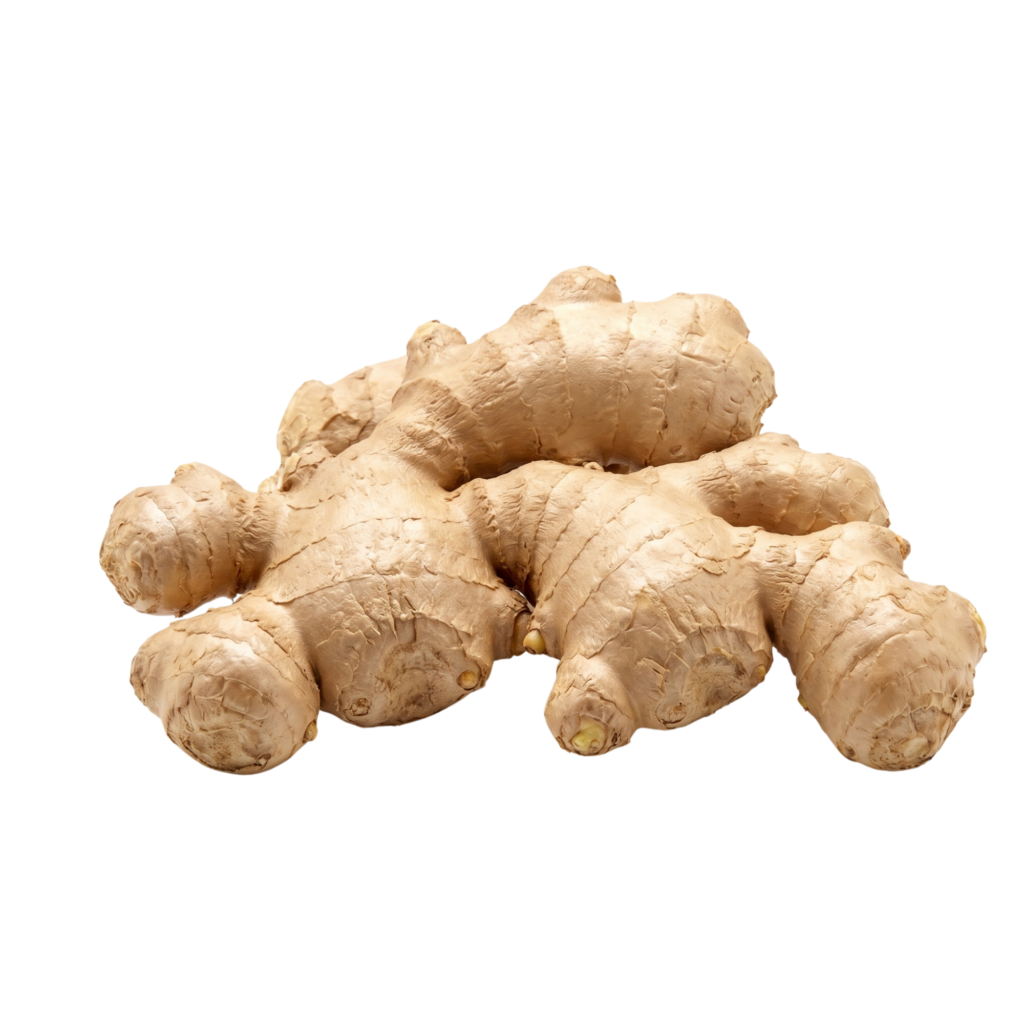
Ginger consists of knobby, irregularly shaped rhizomes with a light brown outer skin and pale yellow interior. The texture is firm and fibrous, becoming softer when cooked. Flavor is pungent, spicy, and slightly sweet, with a strong aroma that intensifies when crushed or cut. Fresh ginger is juicy, while older ginger becomes more fibrous and less tender.
Nutritional Value
Ginger contains small amounts of vitamins such as vitamin C and B6, along with minerals like potassium and magnesium. It also contains bioactive compounds such as gingerol, which contribute to its flavor and potential health benefits. Ginger is low in calories and used primarily for flavoring and functional purposes.
Seasonality and Origin
Ginger is grown in tropical and subtropical climates, with major production in countries such as India, China, Nigeria, and Thailand. It is harvested seasonally but available year-round due to storage and global distribution.
Common Applications
• Flavoring in cooking (curries, stir-fries, sauces)
• Beverages such as teas and juices
• Baking and desserts
• Pickling and preservation
• Spice blends and seasonings
• Processed forms (powder, paste, extracts)
Storage and Handling
Proper storage is essential to maintain freshness and prevent spoilage.
• Recommended storage temperature: 55°F to 60°F
• Relative humidity: 65–75%
• Store in a cool, dry, and well-ventilated area
• Avoid excess moisture to prevent mold growth
• Refrigerate for extended shelf life if needed
• Handle carefully to prevent bruising and skin damage
Origin and Background
Ginger is believed to have originated in Southeast Asia and has been cultivated for thousands of years. It has played an important role in culinary and medicinal traditions worldwide. Modern cultivation focuses on yield, rhizome quality, and resistance to pests and diseases.
Grades and Quality Standards
Extra Fancy Grade
• Firm, plump rhizomes
• Smooth skin with minimal wrinkles
• Bright internal color
• Free from decay and excessive fiber
Fancy Grade
• Slight variations in size and appearance
• Minor surface imperfections allowed
• Suitable for retail and food service
Commercial / Processing Grade
• Visible defects permitted
• May include smaller or more fibrous pieces
• Used for processing, drying, and industrial applications