
Product Overview
Basil is a widely used aromatic herb valued for its fresh fragrance, delicate leaves, and essential role in culinary applications. It is a key commodity in fresh herb markets, commonly used in retail, food service, and specialty cuisine. Basil is highly perishable and is typically sold fresh in bunches or packaged formats, with strong demand across global cuisines.
Key Characteristics
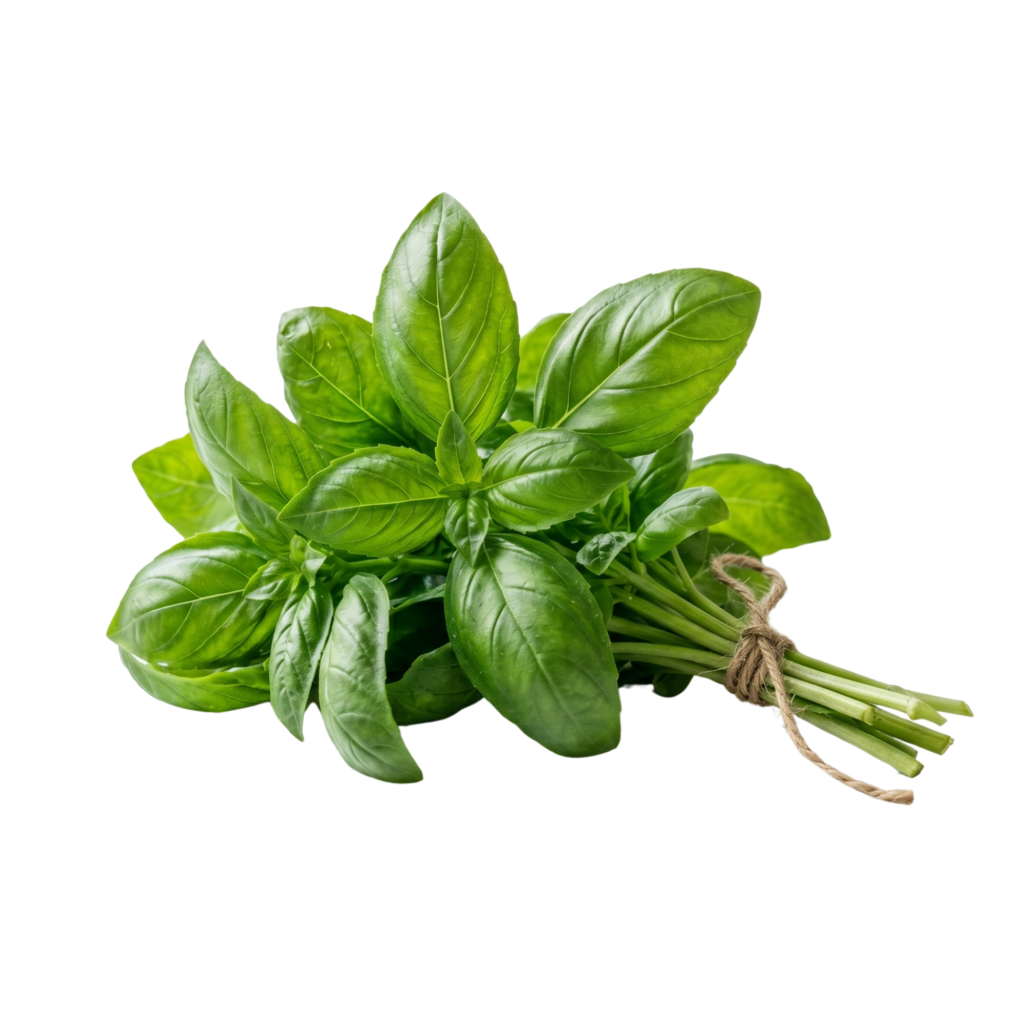
Basil features soft, tender leaves that are bright to deep green in color, depending on the variety. The leaves are smooth with a slightly glossy surface and have a strong, sweet, and slightly peppery aroma. Texture is delicate and prone to bruising. Flavor is fresh, mildly sweet, and aromatic, intensifying when crushed or chopped.
Nutritional Value
Basil provides vitamin K, vitamin A, and small amounts of vitamin C. It also contains antioxidants and essential oils that contribute to its aroma and potential health benefits. Due to its usage in small quantities, it is primarily valued for flavor rather than caloric contribution.
Seasonality and Origin
Basil is grown in warm climates and is cultivated worldwide, with major production in countries such as India, Italy, and Thailand. It is available year-round through greenhouse and controlled cultivation, though peak quality is typically observed in warmer seasons.
Common Applications
• Fresh garnishes
• Salads and cold dishes
• Sauces such as pesto
• Cooking in soups and stews
• Flavoring for meats and vegetables
• Beverages and infused products
Storage and Handling
Proper storage is essential to maintain freshness and prevent wilting.
• Recommended storage temperature: 50°F to 55°F
• Relative humidity: 90–95%
• Avoid refrigeration below recommended temperatures to prevent chilling injury
• Store in a cool, shaded area or loosely covered
• Keep stems in water (like cut herbs) if possible
• Handle gently to prevent bruising and blackening
Origin and Background
Basil is believed to have originated in tropical regions of Asia and has been cultivated for thousands of years. It is a staple herb in many cuisines, particularly Mediterranean and Asian. Modern cultivation focuses on leaf quality, aroma intensity, and shelf life.
Grades and Quality Standards
Extra Fancy Grade
• Bright green, fresh leaves
• Uniform size and intact structure
• Strong aroma
• Free from yellowing, wilting, or damage
Fancy Grade
• Minor variations in size and appearance
• Slight leaf imperfections allowed
• Suitable for retail and food service
Commercial / Processing Grade
• Visible defects permitted
• May include slightly wilted or damaged leaves
• Used for processing, drying, and extracts