
Product Overview
Nopal, commonly known as cactus pads, is a widely consumed vegetable in Mexican and Latin American cuisine. It is valued for its unique texture, nutritional benefits, and versatility in fresh and cooked applications. Nopal is a key commodity in specialty produce markets and is used in both traditional and modern culinary preparations.
Key Characteristics
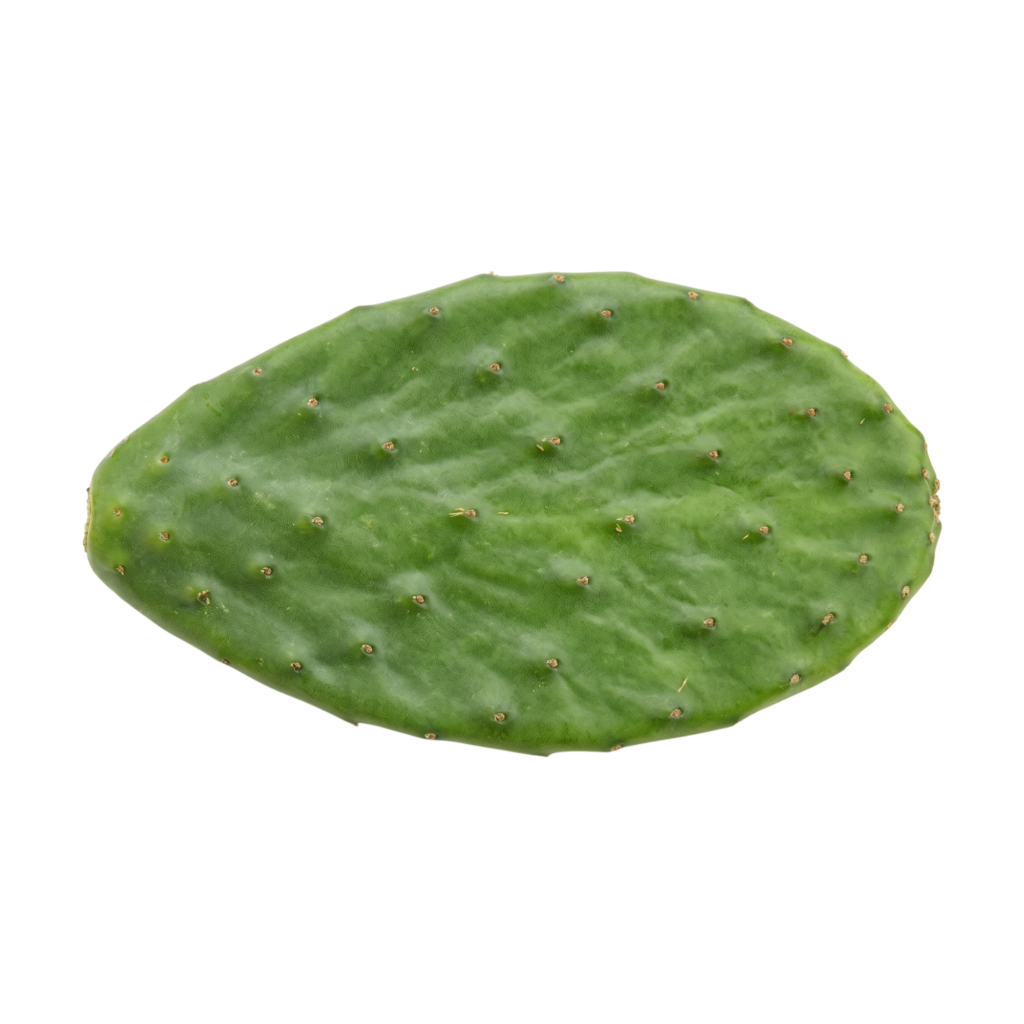
Nopal consists of flat, oval-shaped cactus pads with a smooth green surface once spines are removed. The texture is firm yet slightly slimy when cut or cooked due to natural mucilage. Flavor is mild, slightly tangy, and similar to green beans or okra. Pads are tender when young and become tougher as they mature.
Nutritional Value
Nopal is low in calories and rich in dietary fiber, vitamin C, and antioxidants. It also provides minerals such as calcium and magnesium. Its high water content and beneficial compounds make it popular in health-focused diets.
Seasonality and Origin
Nopal is grown in arid and semi-arid regions, particularly in Mexico, which is the largest producer. It is available year-round in many markets due to continuous harvesting and cultivation practices.
Common Applications
• Fresh consumption in salads
• Grilling and roasting
• Cooking in stews and traditional dishes
• Juices and health beverages
• Pickling and preservation
• Toppings for tacos and other dishes
Storage and Handling
Proper storage is essential to maintain freshness and quality.
• Recommended storage temperature: 45°F to 50°F
• Relative humidity: 90–95%
• Store in a cool, dry place or refrigerated
• Keep in perforated packaging to allow airflow
• Avoid excess moisture to reduce spoilage
• Handle carefully to prevent bruising and slime buildup
Origin and Background
Nopal has been cultivated for thousands of years in Mexico and is deeply rooted in cultural and culinary traditions. It has been used as both a food source and medicinal plant. Modern production focuses on tender pad quality, uniform size, and improved handling characteristics.
Grades and Quality Standards
Extra Fancy Grade
• Bright green, tender pads
• Uniform size and shape
• Clean surface with spines removed
• Free from blemishes and damage
Fancy Grade
• Minor variations in size and appearance
• Slight surface imperfections allowed
• Suitable for retail and food service
Commercial / Processing Grade
• Visible defects permitted
• May include thicker or slightly tough pads
• Used for processing and bulk cooking