
Product Overview
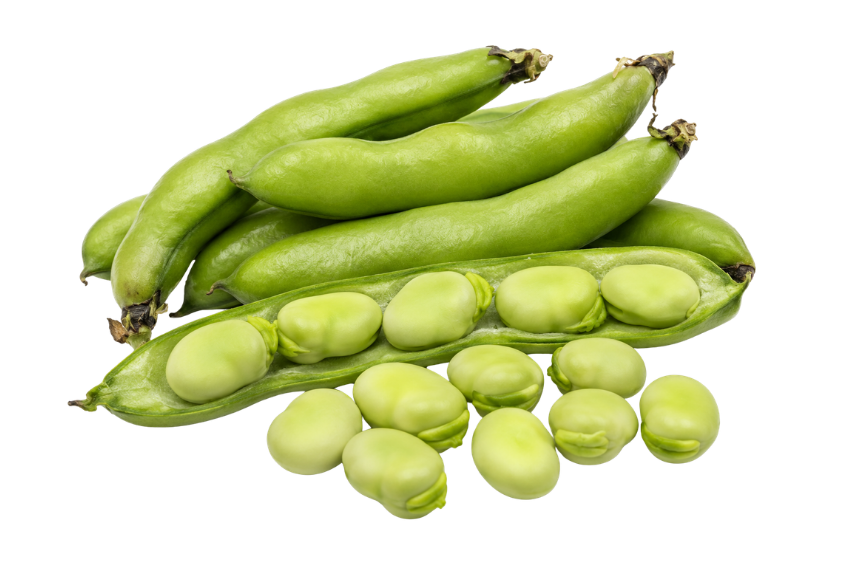
Habas, commonly known as fresh fava beans, are a seasonal legume valued for their tender texture, earthy flavor, and use in traditional cuisines. They are marketed in their green pods and are a popular item in fresh produce markets, especially in Mediterranean and Latin American regions. Fresh habas are appreciated for their culinary versatility and nutritional benefits.
Key Characteristics
Fresh habas are large, flat beans enclosed in thick green pods. The pods are firm and slightly fuzzy, while the beans inside are soft and bright green when young. Flavor is mildly sweet with a slightly earthy and nutty profile. Texture is tender when fresh but becomes firmer as the beans mature.
Nutritional Value
Fresh habas are a good source of plant-based protein, dietary fiber, and essential nutrients such as folate, iron, and potassium. They also provide vitamin C and other beneficial compounds. Low in fat and nutrient-dense, they are commonly included in balanced diets.
Seasonality and Origin
Fresh habas are grown in temperate climates and are typically harvested in spring. Major production regions include countries around the Mediterranean, as well as parts of Latin America and Asia. Due to their seasonal nature, availability may be limited outside peak harvest periods.
Common Applications
• Fresh cooking in stews and soups
• Sautéed and seasoned dishes
• Salads and side dishes
• Traditional recipes in Mediterranean and Latin cuisines
• Purees and spreads
• Boiled or steamed preparations
Storage and Handling
Proper storage is essential to maintain freshness and quality.
• Recommended storage temperature: 32°F to 36°F
• Relative humidity: 90–95%
• Store in perforated bags or containers
• Keep refrigerated to preserve tenderness
• Use promptly after harvest for best quality
• Avoid moisture buildup to prevent spoilage
Origin and Background
Habas are among the oldest cultivated legumes, believed to have originated in the Mediterranean region. They have been an important part of traditional diets for centuries and remain a staple in many regional cuisines. Modern cultivation focuses on yield, pod quality, and flavor.
Grades and Quality Standards
Extra Fancy Grade
• Bright green, firm pods
• Uniform size and shape
• Tender beans inside
• Free from blemishes and decay
Fancy Grade
• Minor variations in size and appearance
• Slight surface imperfections allowed
• Suitable for retail and food service
Commercial / Processing Grade
• Visible defects permitted
• May include overmature or uneven pods
• Used for processing and bulk cooking