
Product Overview
Aloe vera is a succulent plant widely valued for its fleshy leaves containing a clear gel used in food, cosmetic, and medicinal applications. In produce markets, aloe vera is sold as fresh leaves and is used for its hydrating and functional properties. It is a niche but growing commodity in retail and food service sectors due to increasing demand for natural and health-oriented products.
Key Characteristics
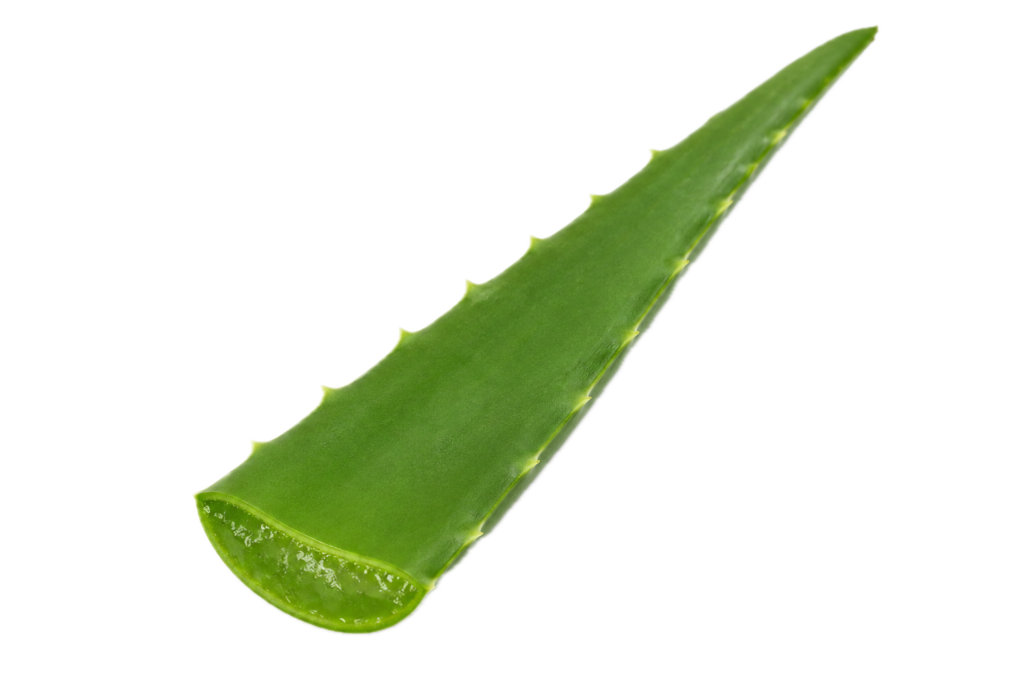
Aloe vera leaves are thick, fleshy, and lance-shaped with serrated edges. The outer skin is green, while the inner gel is transparent and slightly viscous. The gel has a mild, slightly bitter taste and a smooth, slippery texture. Leaves are firm and heavy when fresh, indicating good moisture content and quality.
Nutritional Value
Aloe vera gel contains water, small amounts of vitamins such as vitamin C, and trace minerals. It also contains bioactive compounds including polysaccharides. It is low in calories and often used in small quantities in beverages and health products. Only properly prepared inner gel is suitable for consumption.
Seasonality and Origin
Aloe vera is grown in tropical and subtropical climates, with major production in countries such as India, Mexico, China, and parts of Africa. It is available year-round due to continuous cultivation cycles and controlled farming practices.
Common Applications
• Fresh gel extraction for beverages
• Health drinks and juices
• Culinary use in select dishes
• Cosmetic and skincare products
• Medicinal and wellness applications
• Industrial processing for gels and extracts
Storage and Handling
Proper storage is essential to maintain freshness and gel quality.
• Recommended storage temperature: 50°F to 55°F
• Relative humidity: 85–90%
• Store in a cool, dry place or refrigerated if needed
• Avoid direct sunlight to prevent dehydration
• Handle carefully to prevent leaf damage and gel leakage
• Use promptly after cutting to preserve gel quality
Origin and Background
Aloe vera has been used for thousands of years and is believed to have originated in the Arabian Peninsula. It has been widely adopted across cultures for its medicinal and cosmetic properties. Modern cultivation focuses on gel yield, leaf size, and quality consistency for both fresh and processed markets.
Grades and Quality Standards
Extra Fancy Grade
• Large, thick leaves
• Bright green color
• Firm texture with high gel content
• Free from cuts, blemishes, and dehydration
Fancy Grade
• Slight variations in size and appearance
• Minor surface imperfections allowed
• Suitable for retail and processing
Commercial / Processing Grade
• Visible defects permitted
• May include smaller or slightly damaged leaves
• Used for industrial extraction and bulk processin