
Product Overview
Celery is a widely used vegetable known for its crisp texture, refreshing flavor, and versatility in both fresh and cooked applications. It is a key commodity in retail, food service, and processing markets, commonly used as a base ingredient, garnish, or snack. Celery is valued for its long fibrous stalks and consistent demand across global cuisines.
Key Characteristics
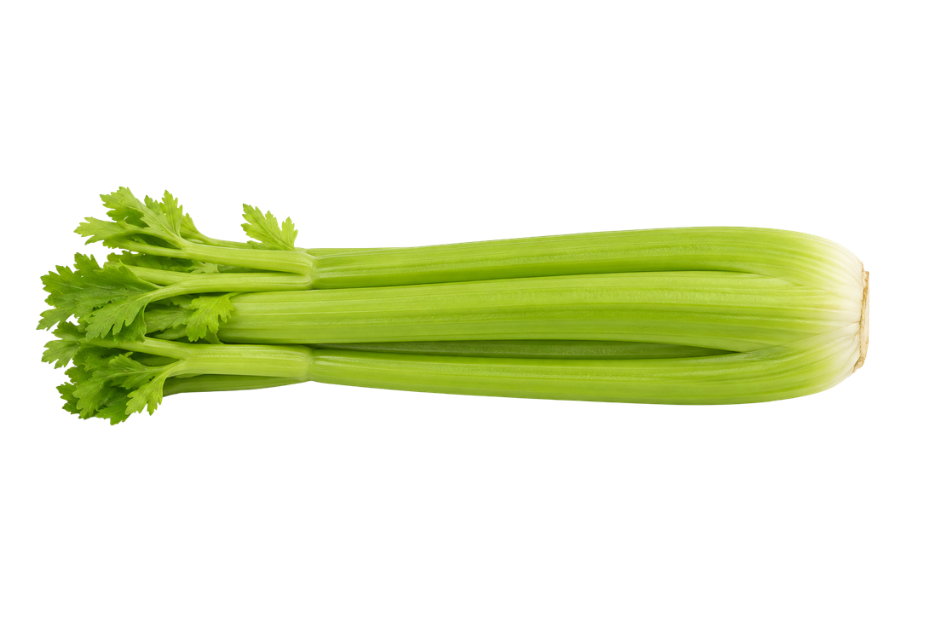
Celery consists of long, ribbed stalks that form a bunch, topped with leafy greens. The stalks are crisp and fibrous with a high water content. Flavor is mild, slightly salty, and herbaceous. Color ranges from light to medium green, depending on the variety and growing conditions. Texture remains firm when fresh but can become limp if not properly stored.
Nutritional Value
Celery is low in calories and high in water content. It provides dietary fiber, vitamin K, and small amounts of vitamin C and potassium. It also contains antioxidants and beneficial plant compounds, making it a popular choice in health-conscious diets.
Seasonality and Origin
Celery is grown in temperate climates and is produced in countries such as the United States, China, India, and parts of Europe. With multiple growing cycles and greenhouse cultivation, celery is available year-round in most markets.
Common Applications
• Fresh consumption as snacks
• Salads and cold dishes
• Soups and stews
• Stir-fries and cooked dishes
• Juices and health beverages
• Flavor base in culinary preparations
Storage and Handling
Proper storage is essential to maintain crispness and freshness.
• Recommended storage temperature: 32°F to 36°F
• Relative humidity: 95–100%
• Store in perforated plastic bags or wrap to retain moisture
• Keep refrigerated to maintain firmness
• Avoid exposure to ethylene-producing produce
• Handle carefully to prevent bruising and stalk breakage
Origin and Background
Celery is believed to have originated in the Mediterranean region and has been cultivated for thousands of years. Initially used for medicinal purposes, it later became a staple vegetable in culinary applications worldwide. Modern cultivation focuses on uniform stalk size, improved flavor, and extended shelf life.
Grades and Quality Standards
| U.S. Grade Standards | Days Since Shipment | % of Defects Allowed | Optimum Transit Temp. (F) |
| 10-2 | 5 4 3 2 1 | 15-4 14-4 13-3 11-2 10-2 | 32° |
Extra Fancy Grade
• Crisp, firm stalks
• Bright green color
• Uniform size and straight ribs
• Free from blemishes and damage
Fancy Grade
• Minor variations in size and appearance
• Slight surface imperfections allowed
• Suitable for retail and food service
Commercial / Processing Grade
• Visible defects permitted
• May include irregular stalks or slight wilting
• Used for processing and bulk cooking.