Product Overview
Garlic is a widely used bulb vegetable known for its strong flavor, aromatic properties, and extensive use in global cuisine. It is a key commodity in both fresh and processed produce markets, valued for its culinary versatility, long storage life, and health-related properties. Garlic is used in whole, processed, and value-added forms across retail, food service, and industrial applications.
Key Characteristics
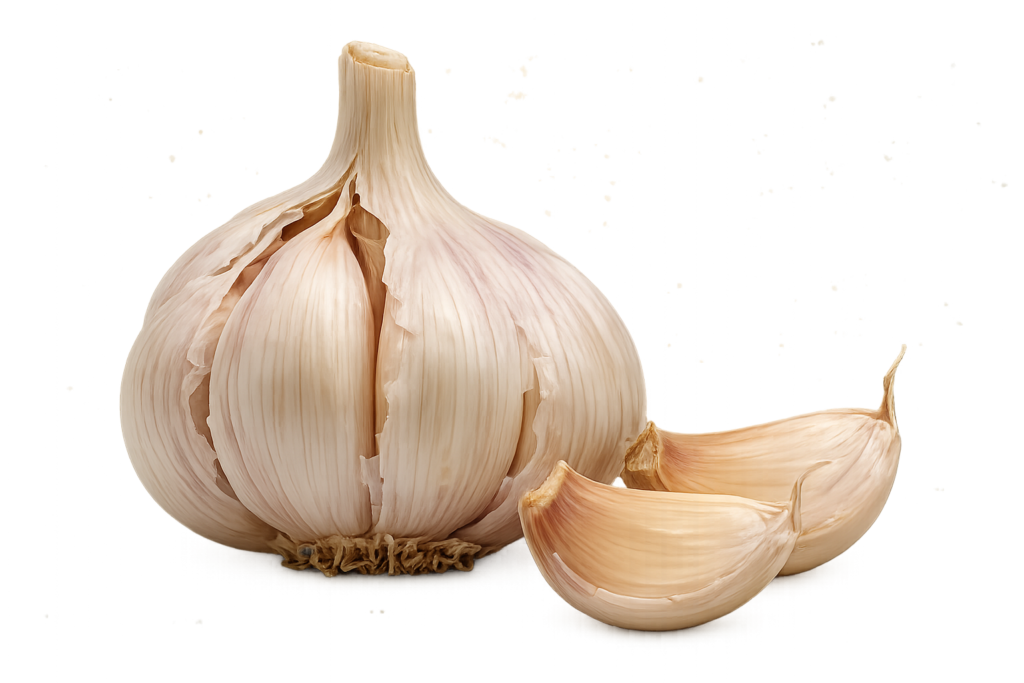
Garlic consists of a bulb made up of multiple cloves enclosed in a papery outer skin. Cloves are firm and pungent, with a strong aroma that intensifies when crushed or chopped. Flavor ranges from sharp and spicy when raw to mild and slightly sweet when cooked. Skin color can vary from white to purple depending on the variety.
Nutritional Value
Garlic contains vitamin C, vitamin B6, and small amounts of minerals such as selenium and manganese. It also contains sulfur compounds, including allicin, which contribute to its characteristic aroma and potential health benefits. Garlic is low in calories and used primarily as a flavoring ingredient.
Seasonality and Origin
Garlic is cultivated in temperate climates, with major production in countries such as China, India, Egypt, and Spain. It is harvested seasonally but available year-round due to its excellent storage and curing properties.
Common Applications
• Flavoring in cooking (sauces, curries, stir-fries)
• Roasting and sautéing
• Marinades and dressings
• Spice blends and seasonings
• Pickling and preservation
• Processed forms (powder, paste, oil)
Storage and Handling
Proper storage is essential to maintain quality and prevent spoilage.
• Recommended storage temperature: 32°F to 36°F
• Relative humidity: 60–70%
• Store in a cool, dry, and well-ventilated area
• Avoid excess moisture to prevent mold and sprouting
• Keep away from direct sunlight
• Handle carefully to prevent bruising and clove damage
Origin and Background
Garlic has been cultivated for thousands of years and is believed to have originated in Central Asia. It has been widely used for culinary and medicinal purposes across various cultures. Modern cultivation focuses on yield, bulb size, storage life, and resistance to pests and diseases.
Grades and Quality Standards
Extra Fancy Grade
• Uniform bulb size and shape
• Clean, dry outer skin
• Firm cloves with no sprouting
• Free from defects and decay
Fancy Grade
• Slight variations in size and appearance
• Minor skin imperfections allowed
• Suitable for retail and wholesale markets
Commercial / Processing Grade
• Visible defects permitted
• May include irregular sizes or partially broken bulbs
• Used for processing, paste, and industrial applications
Types of Garlic
Black Garlic
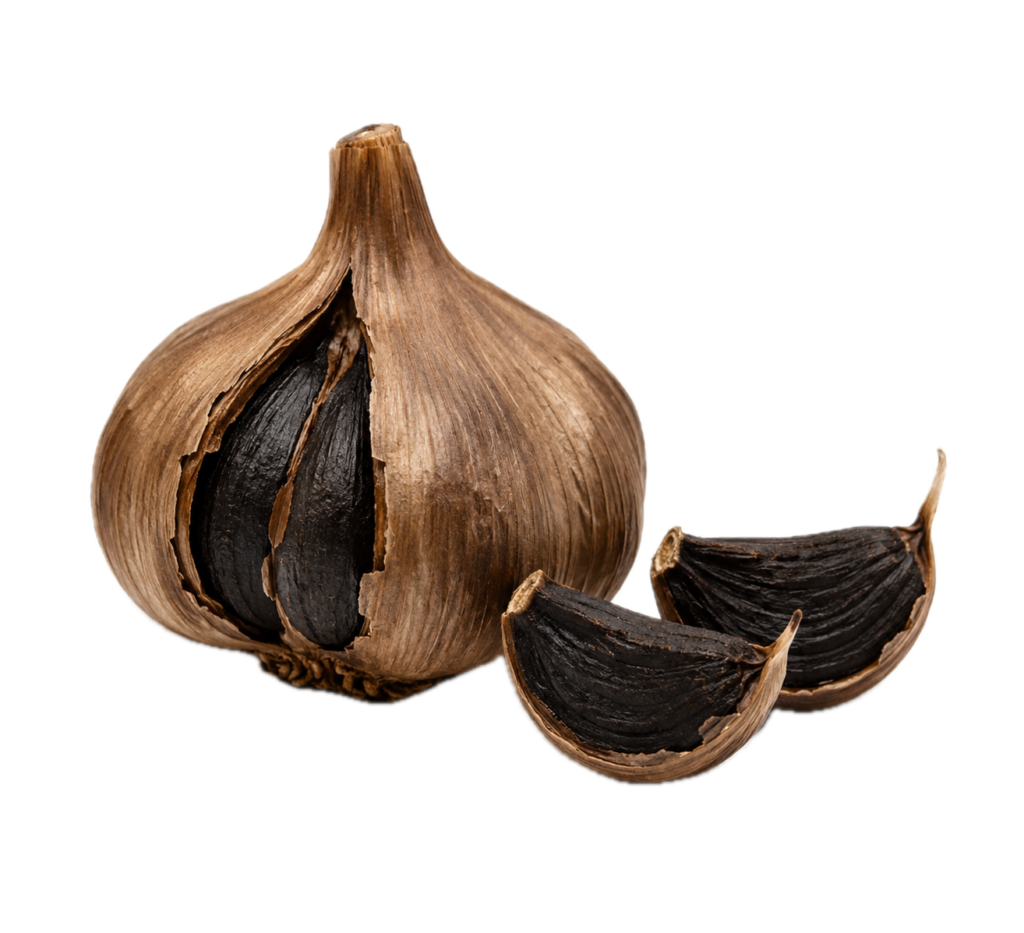
Black garlic is produced by aging fresh garlic under controlled temperature and humidity conditions. The cloves become dark in color with a soft, chewy texture and a sweet, savory flavor often compared to balsamic vinegar and dried fruit. It is widely used in gourmet cooking, sauces, dressings, and specialty culinary applications.
White Garlic
White garlic is the most common variety, featuring white papery skin and a strong, pungent flavor. It is widely used in cooking and is known for good storage capability.
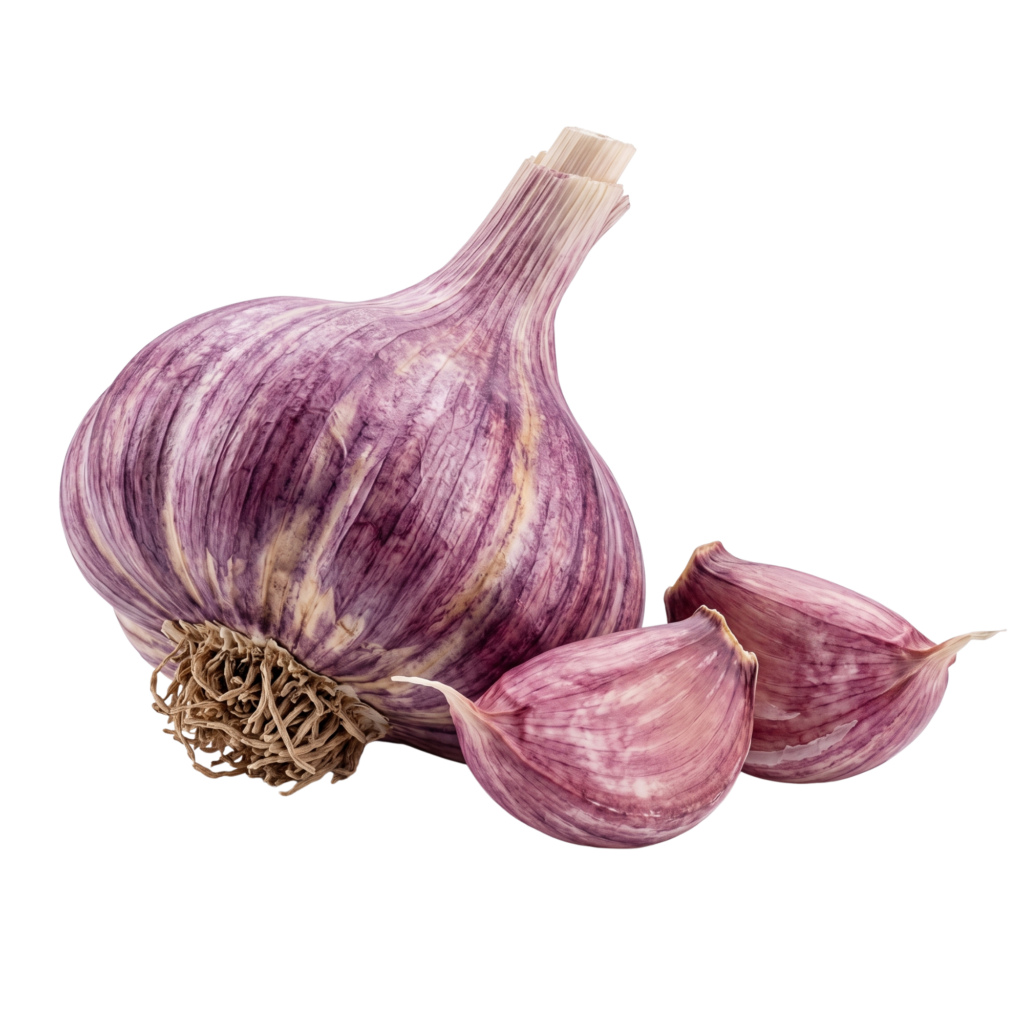
Purple Garlic
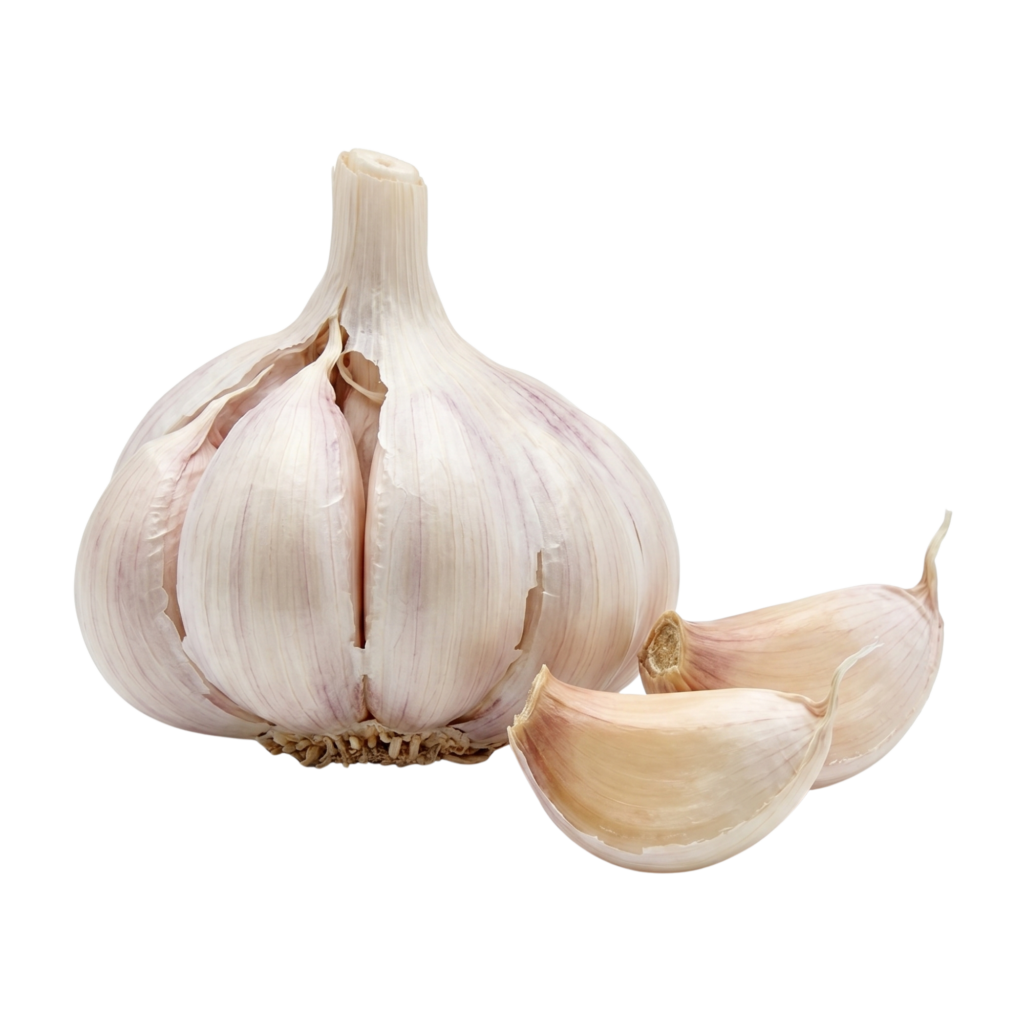
Purple garlic has streaked or fully purple skin and often offers a slightly milder, more complex flavor. It is valued for both culinary use and visual appeal.
Peeled Garlic
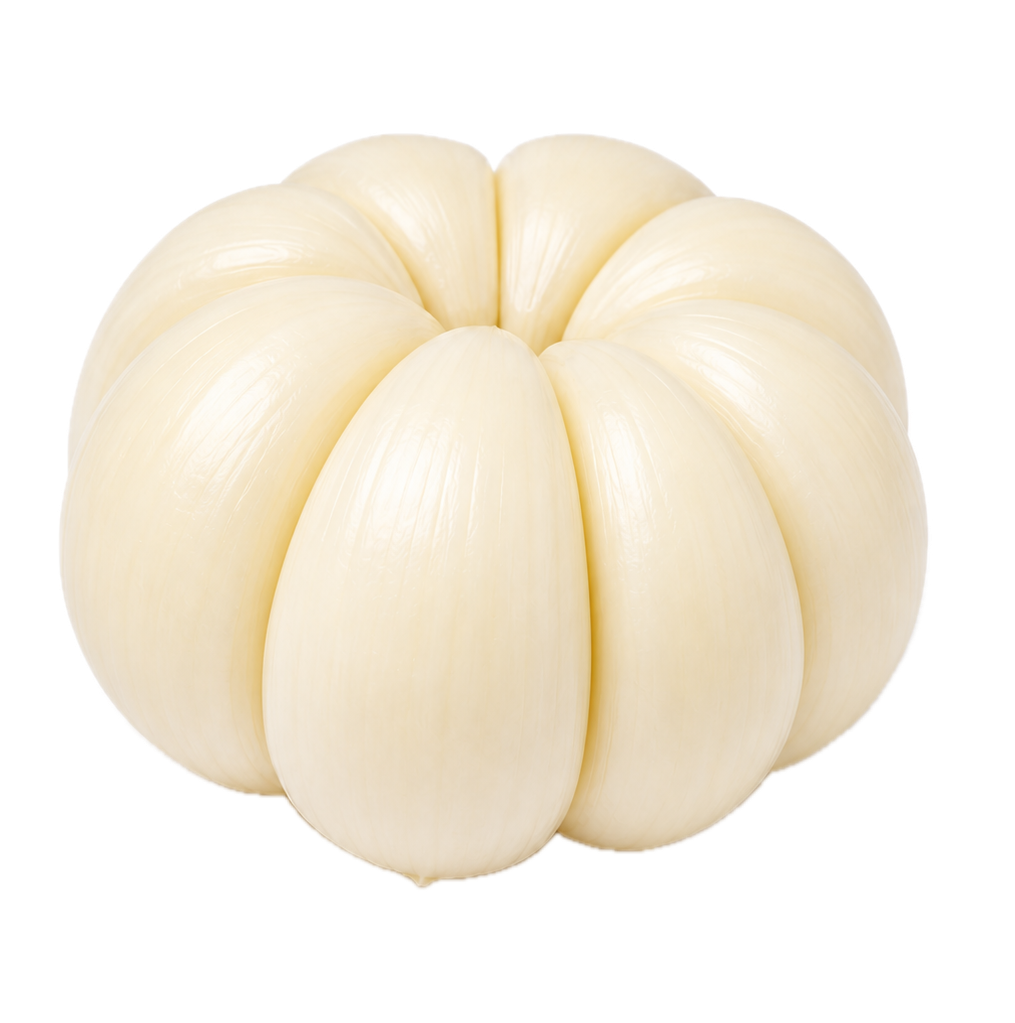
Peeled garlic consists of cloves with the outer skin removed for convenience. It is ready to use in cooking and is commonly used in food service and processing applications.