
Product Overview
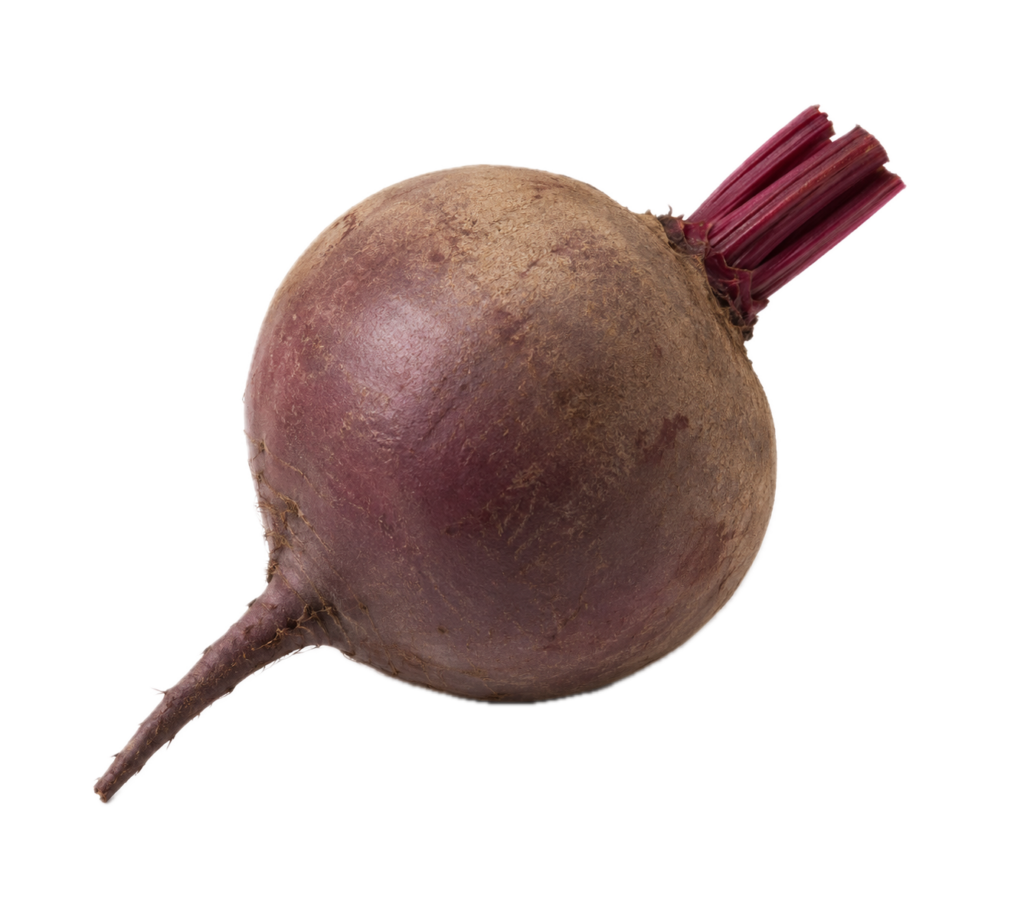
Beets are root vegetables widely valued for their deep color, earthy flavor, and versatility in both fresh and processed markets. They are commonly sold as whole roots or with attached leafy tops, serving dual purposes as both a root vegetable and a leafy green. Beets are used in retail, food service, and processing industries due to their nutritional value and adaptability across a variety of culinary applications.
Key Characteristics
Beets are typically round to slightly elongated roots with a smooth outer skin and deep red interior, although color can vary. The flesh is firm when raw and becomes tender when cooked. Flavor is mildly sweet with an earthy undertone. When sold with tops, the leaves are tender and similar in use to other leafy greens.
Nutritional Value
Beets are a good source of dietary fiber, folate, and vitamin C. They also contain antioxidants such as betalains, which contribute to their deep color. Beet greens provide additional nutrients, including vitamin A and calcium. Low in calories and rich in essential nutrients, beets are widely included in health-focused diets.
Seasonality and Origin
Beets are grown in temperate climates and are produced in countries such as the United States, Russia, France, and India. They are harvested in multiple seasons and are available year-round due to storage capabilities and continuous production cycles.
Common Applications
• Fresh consumption in salads
• Roasting, boiling, and steaming
• Juicing and smoothies
• Pickling and preservation
• Soups (such as borscht)
• Use of greens in sautéed dishes
Storage and Handling
Proper storage is essential to maintain freshness and quality.
• Recommended storage temperature: 32°F to 34°F
• Relative humidity: 90–95%
• Remove tops before storage to reduce moisture loss from the root
• Store roots in a cool, humid environment
• Keep greens refrigerated separately to maintain freshness
• Handle carefully to prevent bruising and skin damage
Origin and Background
Beets have been cultivated since ancient times, originally for their leaves before the root became widely consumed. They are believed to have originated in the Mediterranean region and have since spread globally. Modern cultivation focuses on uniform root size, improved flavor, and better storage characteristics.
Grades and Quality Standards
| U.S. Grade Standards | Days Since Shipment | % of Defects Allowed | Optimum Transit Temp. (°F) |
| 10-5-1 | 5 4 3 2 1 | 15-8-3 14-8-3 13-7-2 11-6-1 10-5-1 | 32° |
Extra Fancy Grade
• Uniform size and shape
• Smooth skin with deep, consistent color
• Firm texture with no cracks or damage
• Fresh, vibrant tops (if attached)
Fancy Grade
• Slight variations in size and shape
• Minor surface imperfections allowed
• Suitable for retail and food service
Commercial / Processing Grade
• Visible defects permitted
• May include irregular sizes or slight damage
• Used for processing, juicing, and industrial applications
Types of Beet
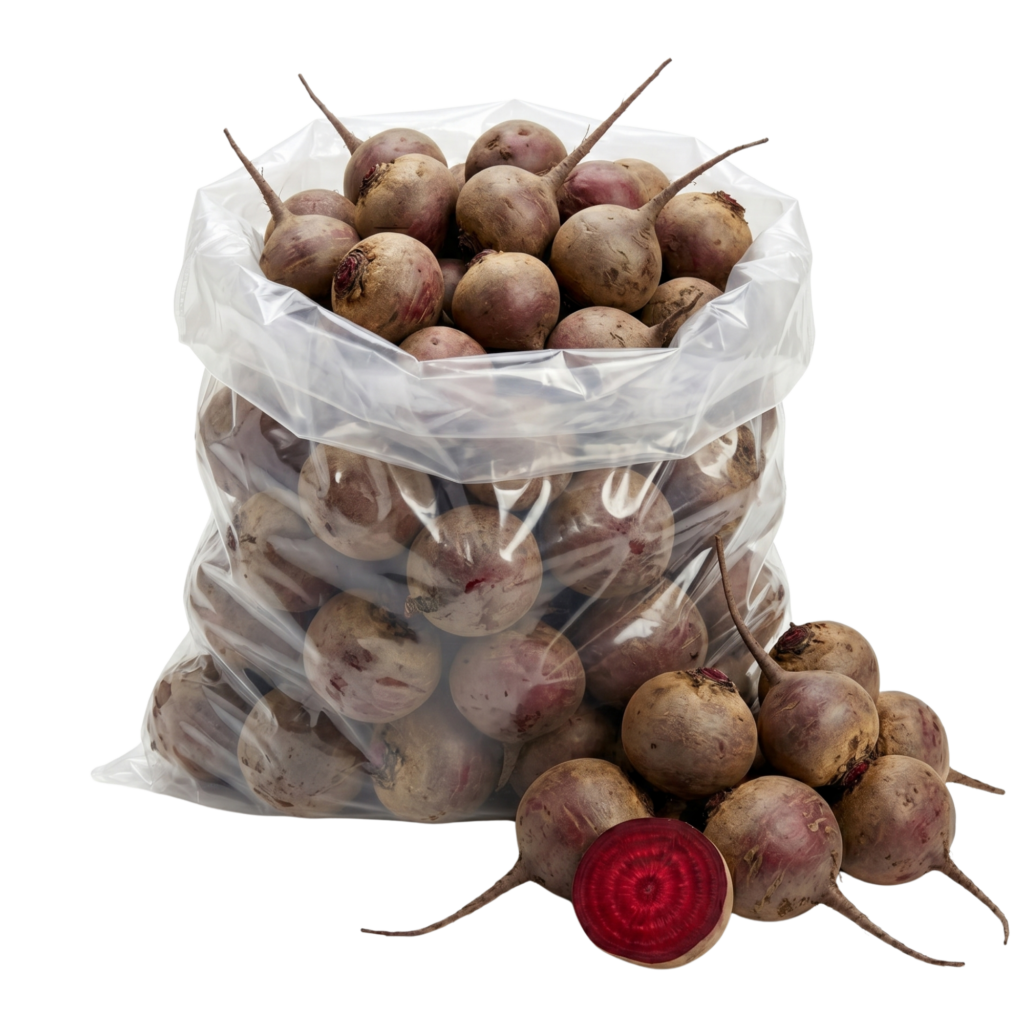
Bulk sack
Beets packed in bulk sacks are typically sold without tops and are intended for wholesale, processing, or large-scale distribution. They are selected for durability and storage efficiency rather than appearance, making them suitable for cooking, juicing, and industrial use.
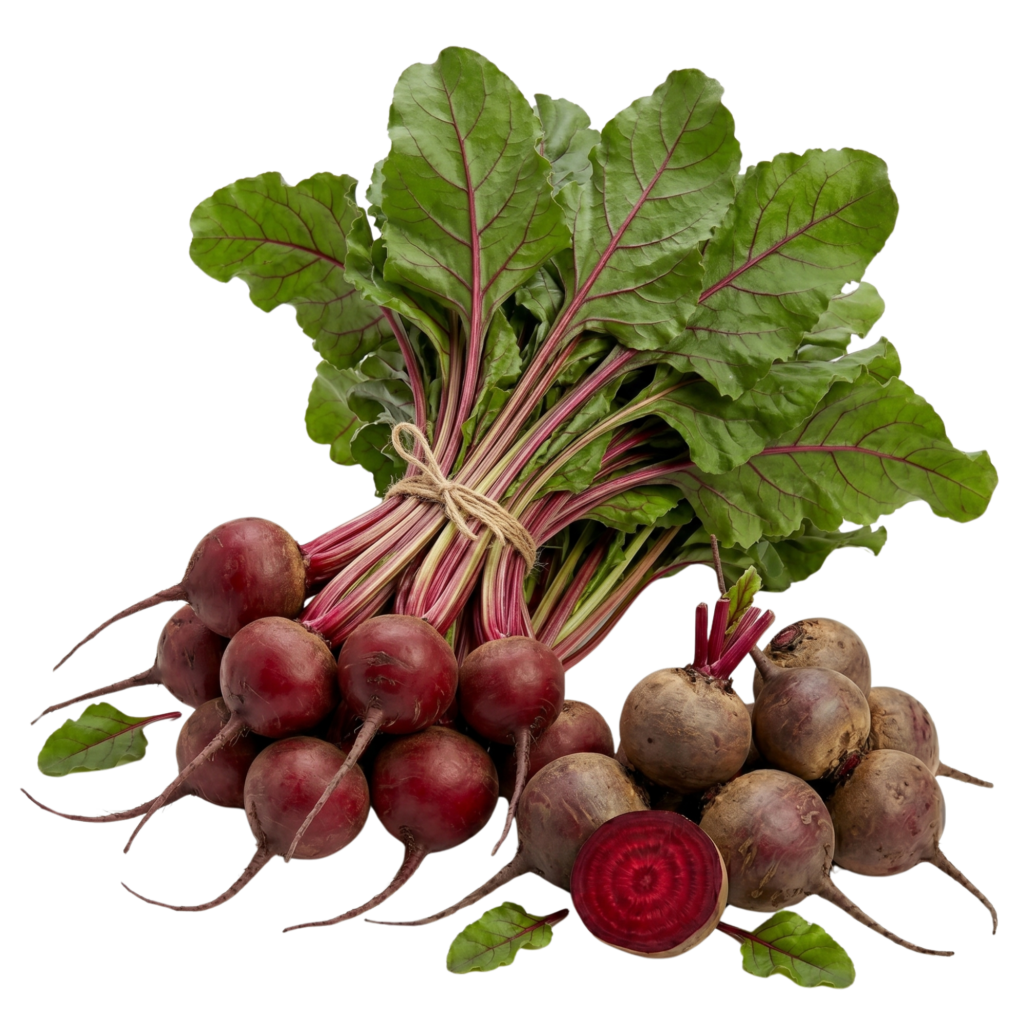
Beets (with tops)
Beets sold with tops include both the root and attached leafy greens. The roots are used in cooking and salads, while the greens can be sautéed or used similarly to spinach, offering added nutritional value and versatility.