
Product Overview
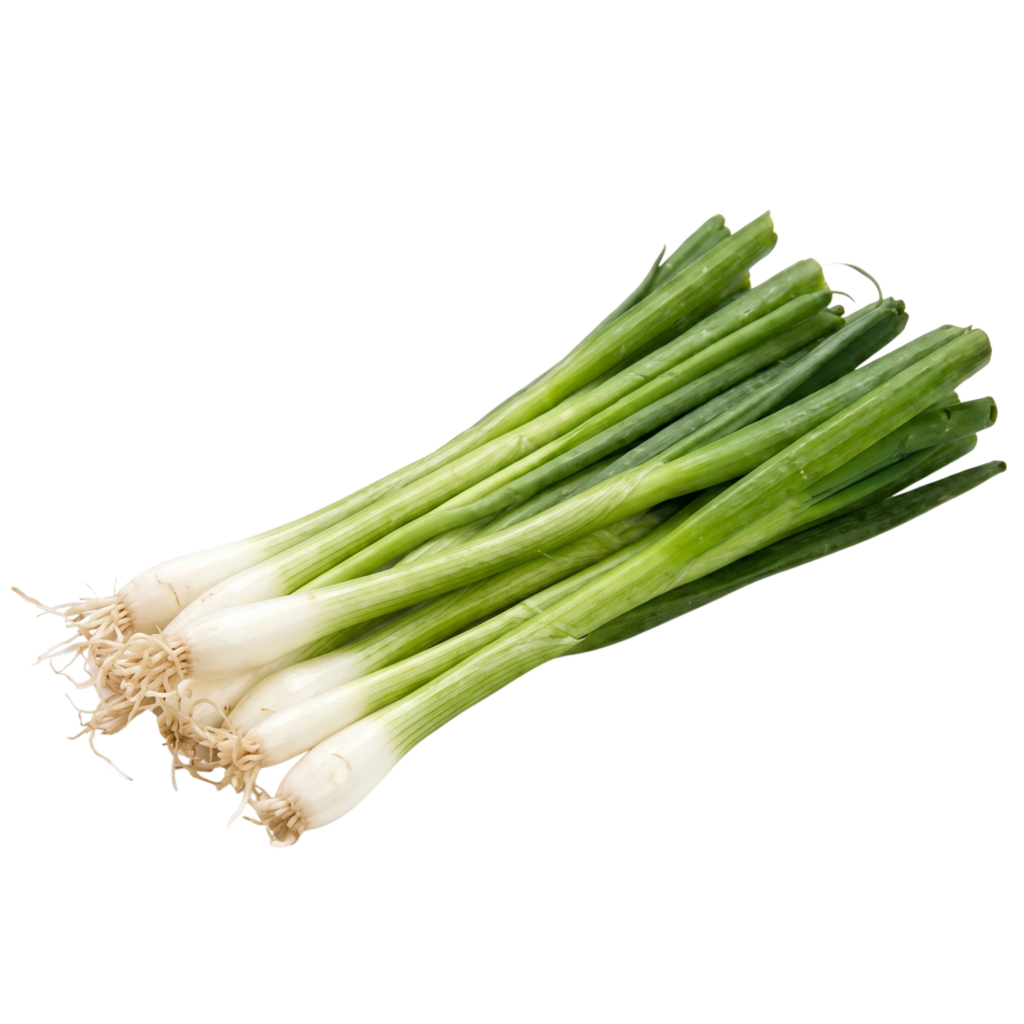
Green onions, also known as scallions, are a widely used vegetable valued for their mild flavor, crisp texture, and versatility in culinary applications. Unlike mature onions, they are harvested at an early stage and used whole, including both the green tops and white bulbs. Green onions are a staple in retail, food service, and fresh produce markets due to their consistent demand and ease of use.
Key Characteristics
Green onions consist of long, hollow green leaves and a small white base that has not fully developed into a bulb. The texture is crisp and tender, while the flavor is mild and slightly pungent compared to mature onions. Both the green and white parts are edible and used in a variety of dishes.
Nutritional Value
Green onions provide vitamin C, vitamin K, and small amounts of vitamin A. They also contain antioxidants and dietary fiber. Low in calories and high in water content, they are commonly used to enhance flavor without significantly increasing caloric intake.
Seasonality and Origin
Green onions are grown in a wide range of climates and are cultivated globally, with major production in countries such as China, Mexico, and the United States. Due to short growing cycles and continuous planting, they are available year-round in most markets.
Common Applications
• Garnishes and toppings
• Salads and fresh dishes
• Stir-fries and cooked dishes
• Soups and broths
• Sauces and dips
• Asian and fusion cuisines
Storage and Handling
Proper storage is essential to maintain freshness and prevent wilting.
• Recommended storage temperature: 32°F to 36°F
• Relative humidity: 95–100%
• Store in perforated plastic bags or containers
• Keep refrigerated to maintain crispness
• Avoid excess moisture to prevent decay
• Handle gently to prevent bruising and breakage
Origin and Background
Green onions have been cultivated for centuries and are believed to have originated in Asia. They are widely used across global cuisines due to their mild flavor and versatility. Modern cultivation focuses on uniform growth, improved shelf life, and resistance to environmental stress.
Grades and Quality Standards
| U.S. Grade Standards | Days Since Shipment | % of Defects Allowed | Optimum Transit Temp. (°F) |
| 10-5-2 | 5 4 3 2 1 | 15-8-4 14-8-4 13-7-3 12-6-2 10-5-2 | 32° |
Extra Fancy Grade
• Fresh, crisp stalks with vibrant green color
• Uniform size and straight shape
• Clean, well-trimmed roots
• Free from yellowing or damage
Fancy Grade
• Minor variations in size and appearance
• Slight leaf imperfections allowed
• Suitable for retail and food service
Commercial / Processing Grade
• Visible defects permitted
• May include slight wilting or irregular sizes
• Used for processing and bulk cooking
Types of Green Onion
Green Onion
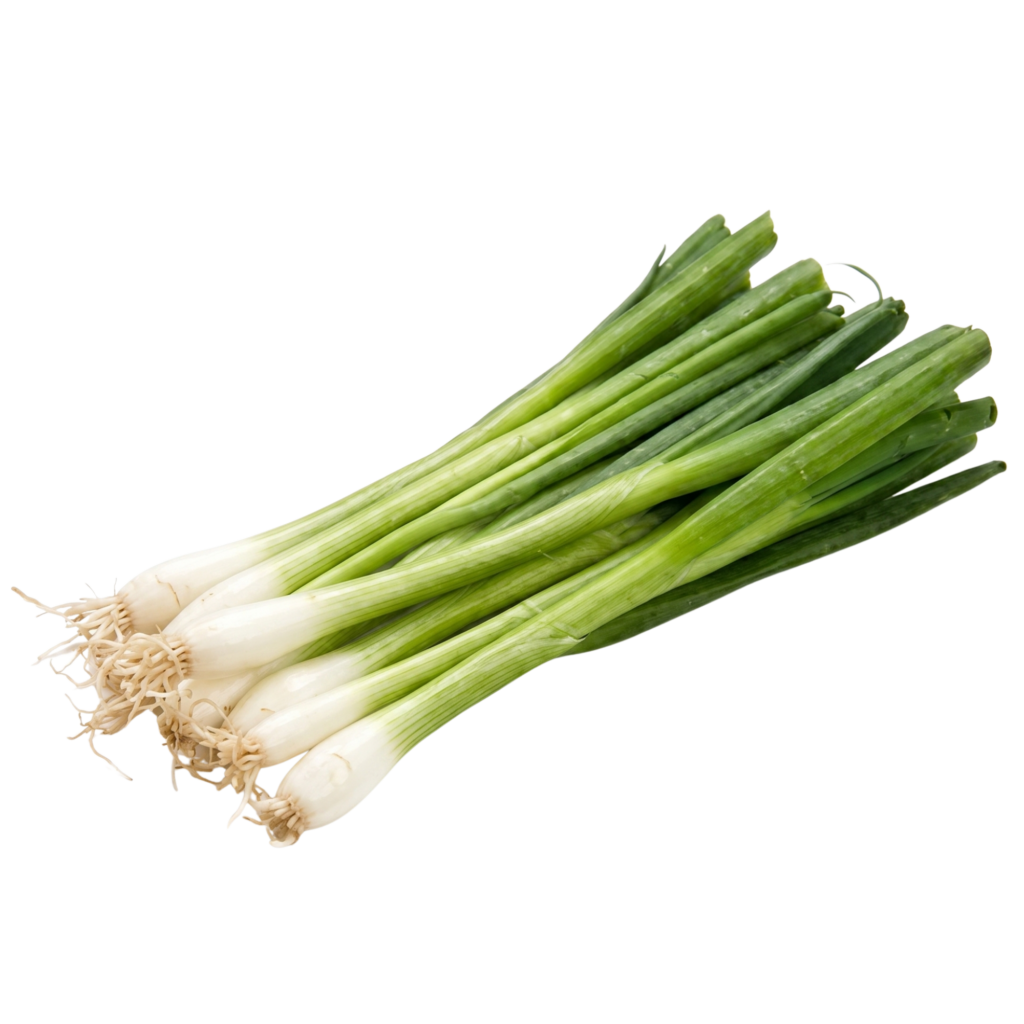
Standard green onions have a long green top and a small white base with a mild, fresh flavor. They are widely used for garnishing, salads, and general cooking applications.
Cambray
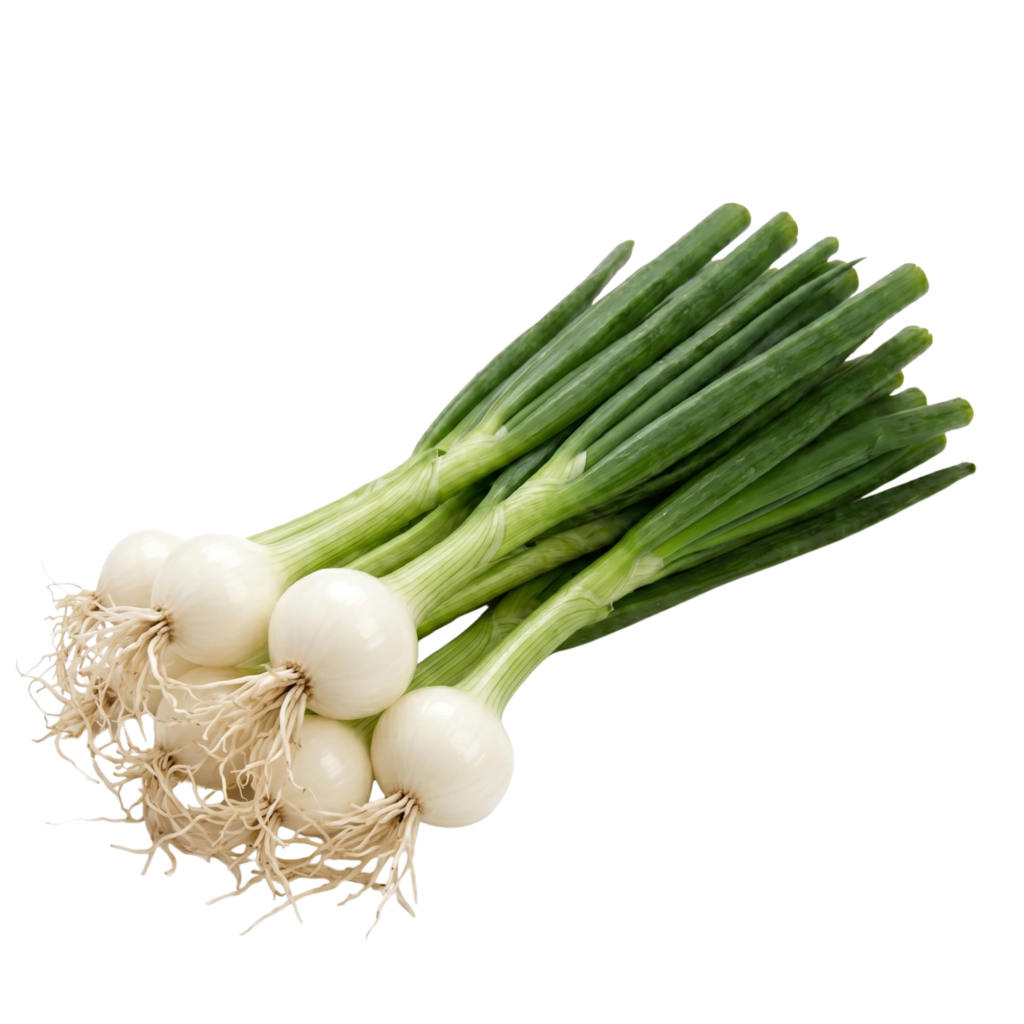
Also known as Mexican green onions, Cambray onions have a slightly larger white bulb and a stronger flavor compared to standard green onions. They are commonly grilled or used in traditional dishes.