
Product Overview
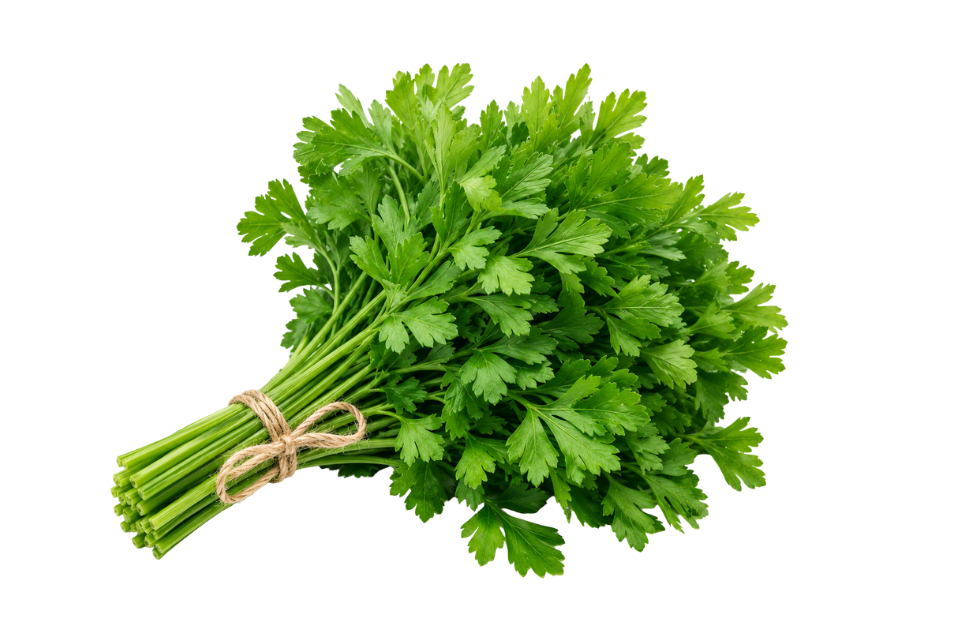
Parsley is a widely used leafy herb in global cuisine, valued for its fresh flavor, vibrant color, and versatility. It is an important commodity in both retail and food service sectors, commonly used as a garnish and ingredient. Parsley is typically marketed fresh in bunches and is highly perishable, requiring proper handling and storage.
Key Characteristics
Parsley consists of bright green leaves attached to thin stems. Leaf structure varies by type, ranging from tightly curled to flat. The flavor is fresh, slightly peppery, and mildly bitter with herbal notes. The texture is tender yet crisp when fresh. Parsley is non-climacteric and does not continue to develop after harvest.
Nutritional Value
Parsley is rich in vitamins and antioxidants despite being consumed in small quantities. It is an excellent source of vitamin K and also provides vitamin C and vitamin A. Parsley contains antioxidants and small amounts of iron and folate, contributing to its nutritional benefits.
Seasonality and Origin
Parsley is grown in temperate and subtropical regions and is available year-round due to continuous cultivation. Major production areas include the United States, Europe, and parts of Asia. Its fast growth cycle allows for consistent supply in fresh markets.
Common Applications
• Garnishing dishes
• Salads and dressings
• Soups and sauces
• Marinades
• Herb blends and seasoning
• Culinary decoration
Storage and Handling
Proper handling is essential to maintain freshness and prevent wilting.
• Recommended storage temperature: 32°F to 36°F
• Relative humidity: 95–100%
• Shelf life: 7–14 days under optimal conditions
• Store upright or wrapped to retain moisture
• Keep hydrated or in moisture-retentive packaging
• Avoid exposure to ethylene-producing commodities
• Handle gently to prevent leaf damage
Origin and Background
Parsley is native to the Mediterranean region and has been used for centuries in culinary and medicinal applications. It spread globally through trade and is now a staple herb in many cuisines. Modern cultivation focuses on improving leaf yield, flavor, and resistance to bolting.
Grades and Quality Standards
| U.S. Grade Standards | Days Since Shipment | % of Defects Allowed | Optimum Transit Temp. (°F) |
| 5-1 | 5 4 3 2 1 | 8-3 8-3 7-2 6-2 5-1 | 32° |
Extra Fancy Grade
• Bright green color with fresh, crisp leaves
• Free from yellowing, wilting, and decay
• Clean, well-trimmed bunches
Fancy Grade
• Slight variations in leaf size and color
• Minor wilting or cosmetic imperfections allowed
• Suitable for retail distribution
Commercial / Processing Grade
• Visible defects permitted
• May include older or slightly damaged leaves
• Used for processing and bulk culinary use
Types of Parsley
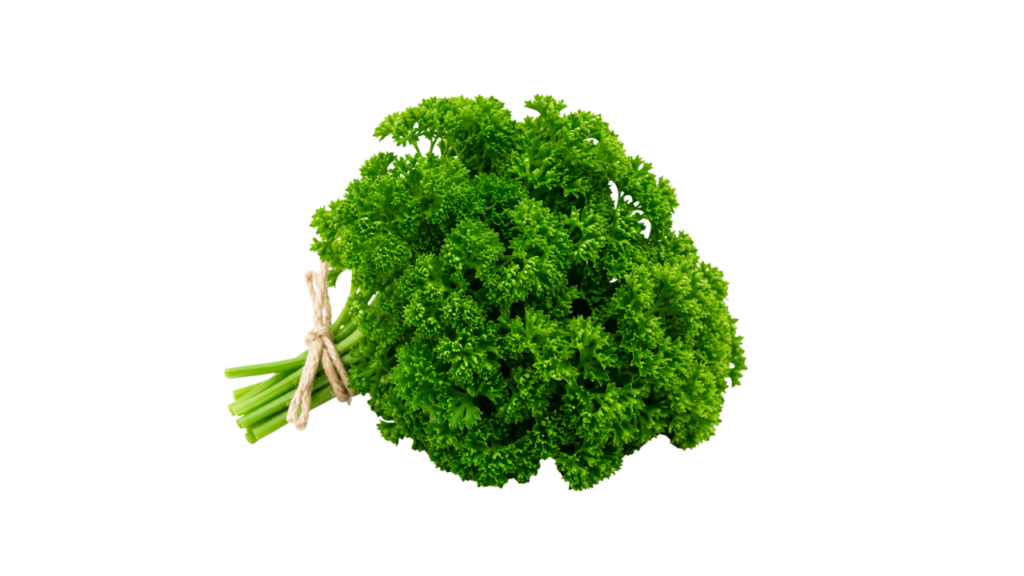
Curly
Curly parsley features tightly ruffled leaves and a milder flavor. It is commonly used as a garnish due to its decorative appearance and is also used in salads and light seasoning.
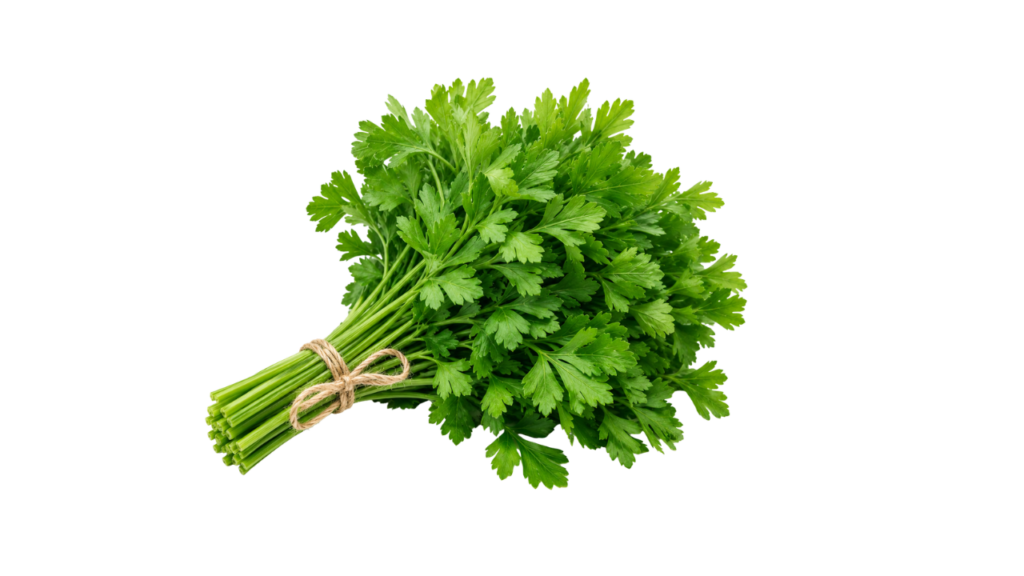
Italian
Also known as flat-leaf parsley, Italian parsley has flat, broad leaves and a stronger, more robust flavor. It is widely used in cooking, sauces, and herb blends for its pronounced taste.