
Product Overview
Beans are a widely consumed legume category valued for their high nutritional content, versatility, and long shelf life. They are a staple ingredient in many global cuisines and are used in both fresh and dried forms. Beans are an essential commodity in retail, food service, and processing industries due to their affordability, storage stability, and adaptability in a variety of dishes.
Key Characteristics
Beans are seeds harvested from leguminous plants and are typically available in dried form, though some varieties may be consumed fresh. They vary in size, shape, and color depending on the type. Texture ranges from firm when dry to soft and creamy after cooking. Flavor is generally mild and earthy, allowing beans to absorb surrounding seasonings effectively.
Nutritional Value
Beans are an excellent source of plant-based protein, dietary fiber, and complex carbohydrates. They also provide essential nutrients such as iron, potassium, magnesium, and B vitamins. Their low fat content and high nutrient density make them a key component of balanced diets and vegetarian food systems.
Seasonality and Origin
Beans are cultivated in a wide range of climates, with major production in countries such as India, Brazil, Mexico, China, and the United States. They are harvested seasonally but are available year-round due to drying and storage processes.
Common Applications
• Cooking in soups, stews, and curries
• Side dishes and main course preparations
• Refried beans and purees
• Salads and cold dishes
• Canned and processed products
• Flour and protein-based food products
Storage and Handling
Proper storage is essential to maintain quality and prevent spoilage.
• Recommended storage temperature: 50°F to 70°F
• Relative humidity: 60–70%
• Store in a cool, dry, and well-ventilated area
• Use airtight containers to prevent moisture absorption and pest infestation
• Keep away from direct sunlight
• Inspect regularly for signs of damage or contamination
Origin and Background
Beans have been cultivated for thousands of years and are believed to have originated in Central and South America, as well as parts of Asia. They have become a dietary staple worldwide due to their nutritional value and ease of cultivation. Modern production focuses on yield, disease resistance, and improved storage characteristics.
Grades and Quality Standards
Extra Fancy Grade
• Uniform size and color
• Clean and free from foreign material
• Minimal broken or damaged beans
• High overall quality
Fancy Grade
• Slight variations in size and color
• Minor defects permitted
• Suitable for retail and general consumption
Commercial / Processing Grade
• Visible defects and broken beans allowed
• May include mixed sizes
• Used for processing, canning, and industrial applications
Types of Beans
Black
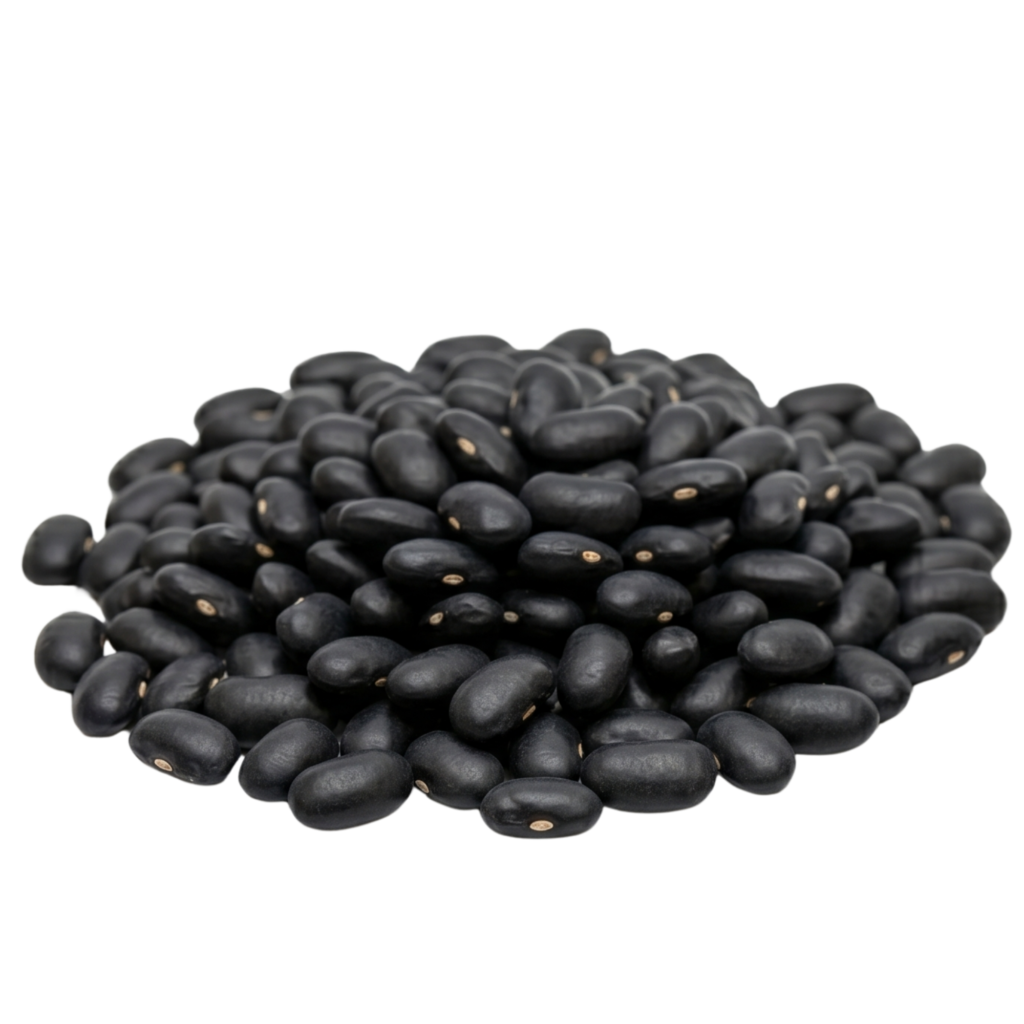
Black beans are small, dark-colored legumes with a dense, creamy texture when cooked. They have a mild, slightly sweet flavor and are widely used in Latin American and Caribbean cuisines, particularly in soups, stews, and rice dishes.
Peruano
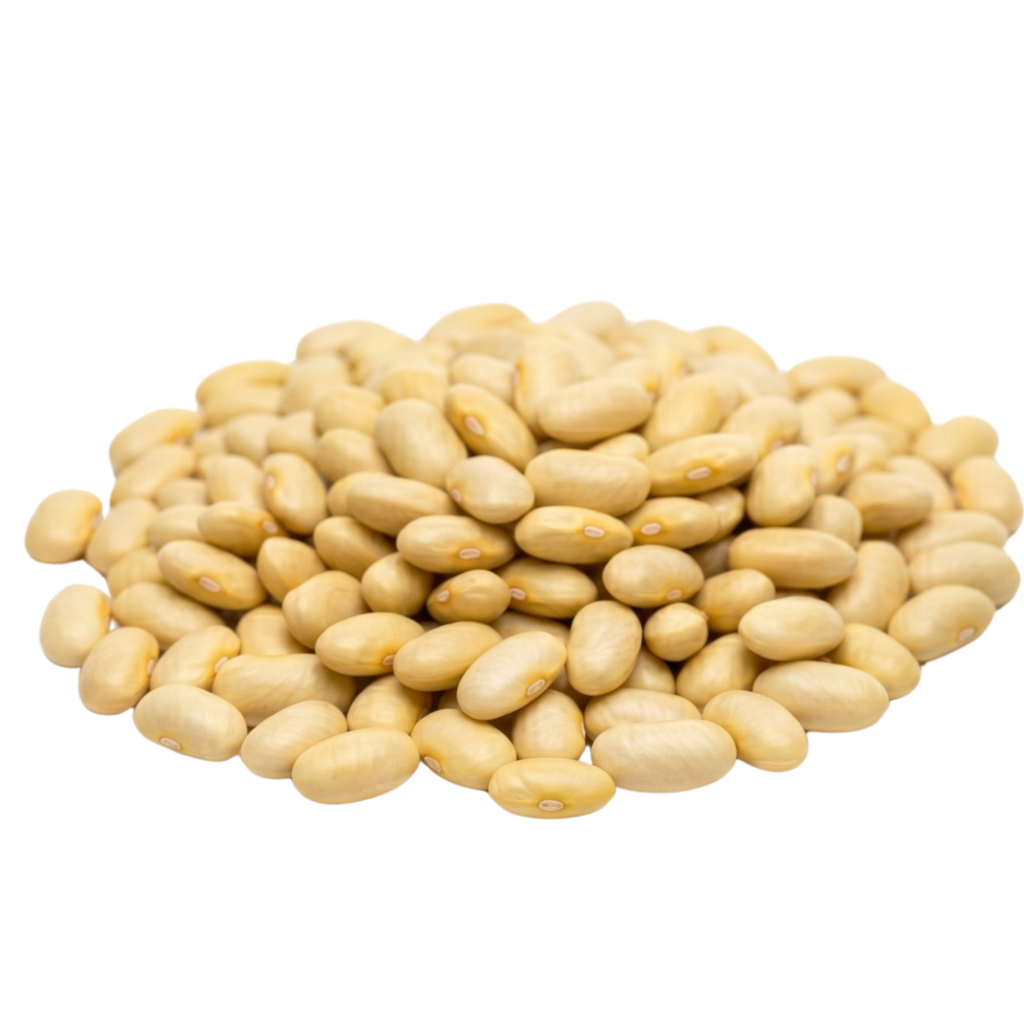
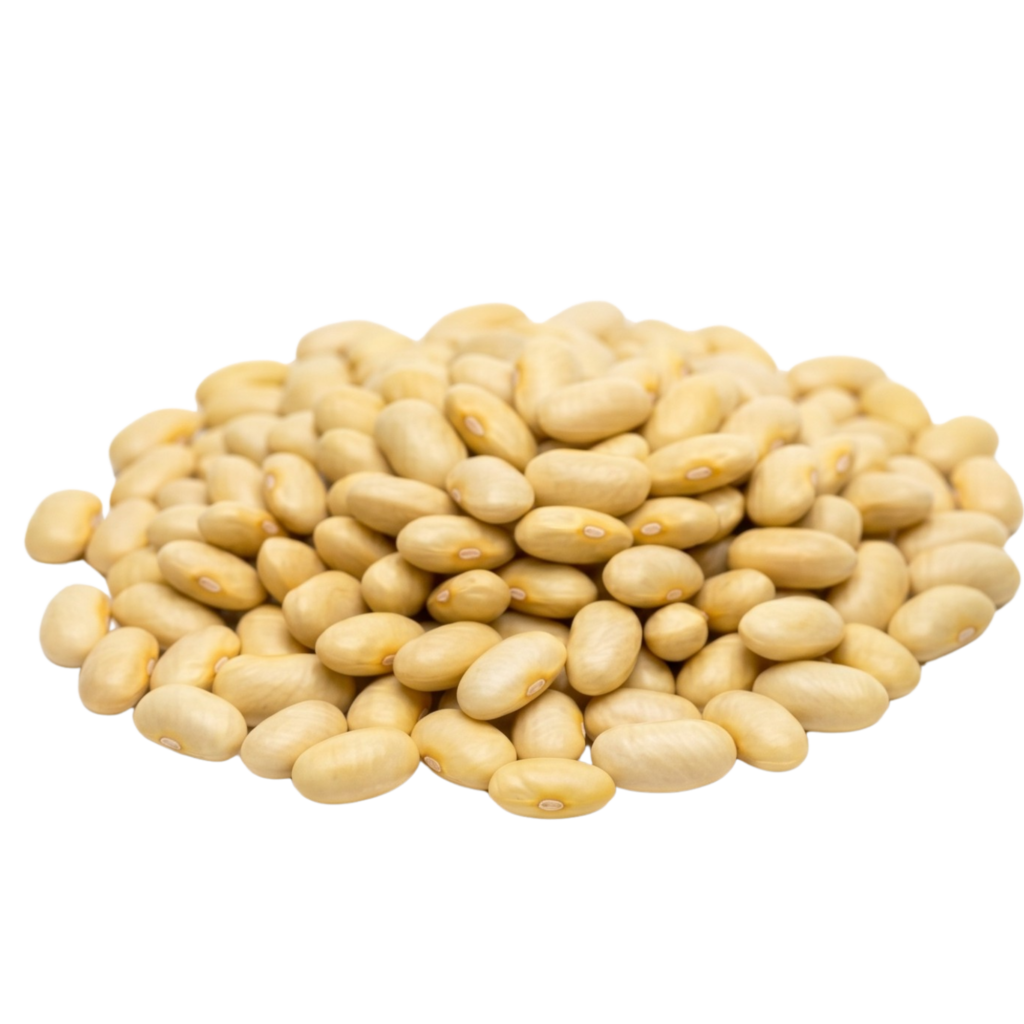
Also known as Peruvian or Mayocoba beans, these are light yellow beans with a smooth texture and mild, buttery flavor. They cook to a soft consistency and are commonly used in Mexican and Latin American dishes.
Pinto
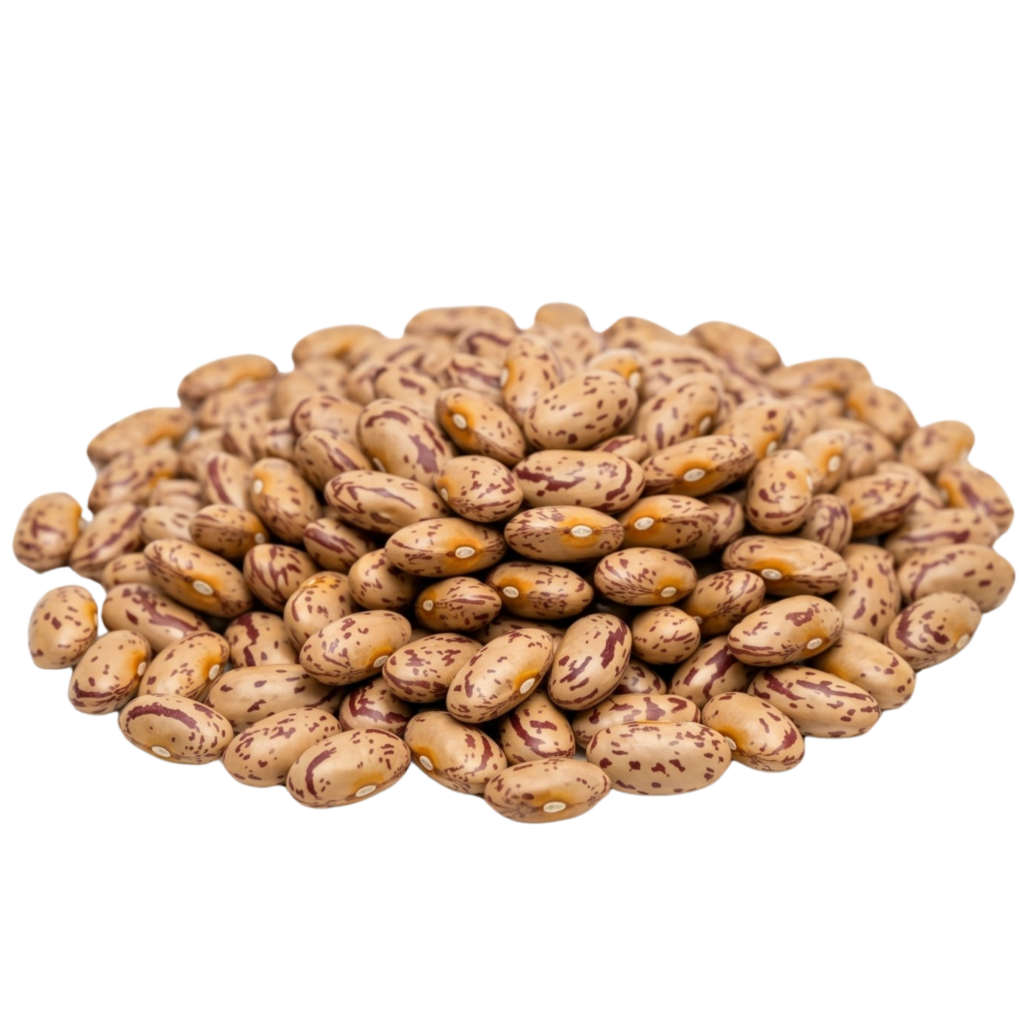
Pinto beans are medium-sized with a mottled brown and beige appearance that becomes uniform when cooked. They have an earthy flavor and creamy texture, making them ideal for refried beans, soups, and stews.
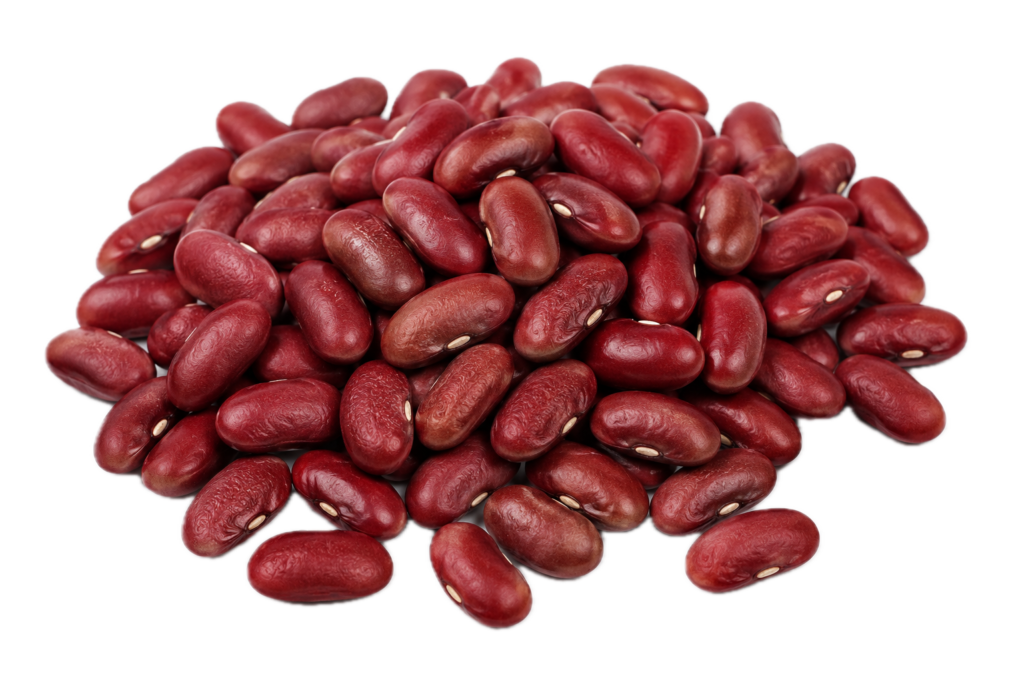
Red
Small to medium-sized kidney-shaped legumes with a deep red to reddish-brown color. They have a firm texture and mildly sweet, earthy flavor. Commonly used in chili, rice dishes, soups, stews, and Latin American cuisine.