Product Overview
Malanga is a starchy tropical root vegetable widely used in Latin American, Caribbean, and African cuisines. It is valued for its firm texture, earthy flavor, and versatility in cooking. Malanga is marketed fresh and is an important commodity in ethnic and specialty produce markets, commonly used as a substitute for other root crops such as taro or yams.
Key Characteristics
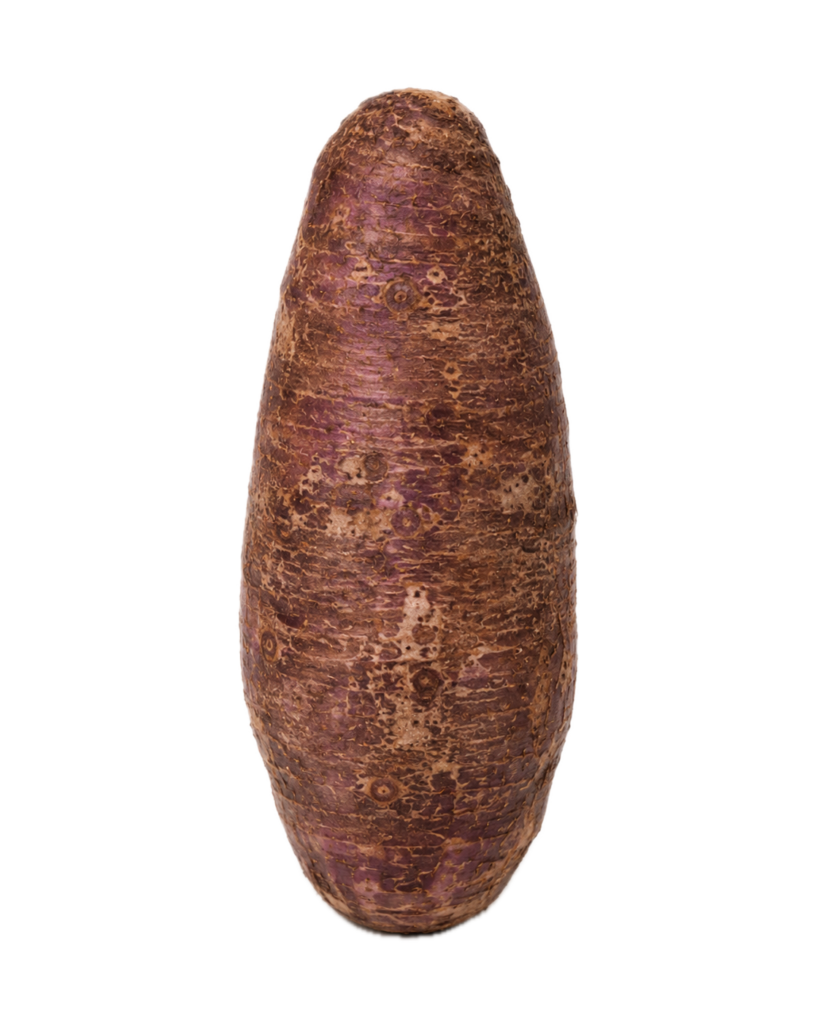
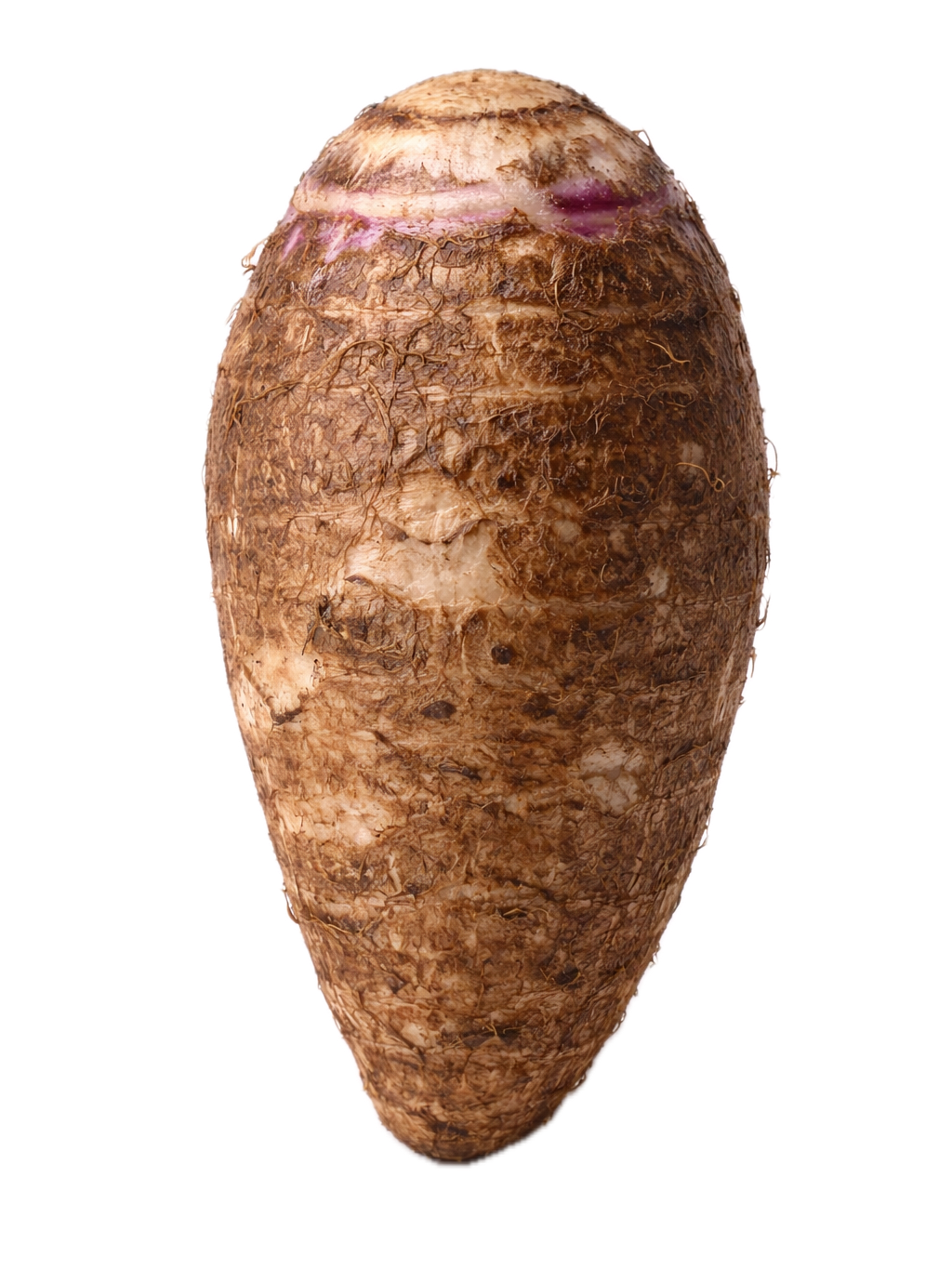
Malanga consists of underground corms with rough, fibrous brown skin and white to cream-colored flesh. The texture is dense and starchy, becoming soft and slightly creamy when cooked. Flavor is mild, nutty, and earthy. Malanga is non-climacteric and does not continue to ripen after harvest.
Nutritional Value
Malanga is a good source of complex carbohydrates and dietary fiber. It provides vitamin C, vitamin B6, and small amounts of potassium and magnesium. It is naturally gluten-free and easily digestible, making it suitable for various dietary needs.
Seasonality and Origin
Malanga is grown in tropical and subtropical regions and is available year-round due to continuous cultivation. Major production regions include the Caribbean, Central and South America, and parts of Africa. It is widely distributed in international markets serving ethnic communities.
Common Applications
• Boiling and mashing
• Frying (chips and fritters)
• Soups and stews
• Purees and baby food
• Baking and traditional dishes
Storage and Handling
Proper storage is important to maintain quality and prevent spoilage.
• Recommended storage temperature: 45°F to 50°F
• Relative humidity: 85–90%
• Shelf life: 2–4 weeks under optimal conditions
• Store in a cool, dry, and well-ventilated area
• Avoid excessive moisture to prevent rot
• Handle carefully to prevent cuts and bruising
• Do not refrigerate at very low temperatures to avoid chilling injury
Origin and Background
Malanga is believed to have originated in tropical regions of the Americas and has been cultivated for centuries as a staple root crop. It plays an important role in traditional diets and agriculture. Modern production focuses on improving yield, uniformity, and resistance to pests and diseases.
Grades and Quality Standards
Extra Fancy Grade
• Uniform size and shape
• Clean, intact skin with minimal fiber exposure
• Firm texture with no decay
Fancy Grade
• Slight variations in size and appearance
• Minor surface imperfections allowed
• Suitable for retail markets
Commercial / Processing Grade
• Visible defects permitted
• May include irregular shapes or surface damage
• Used for processing and bulk cooking
Types of Malanga
Coco
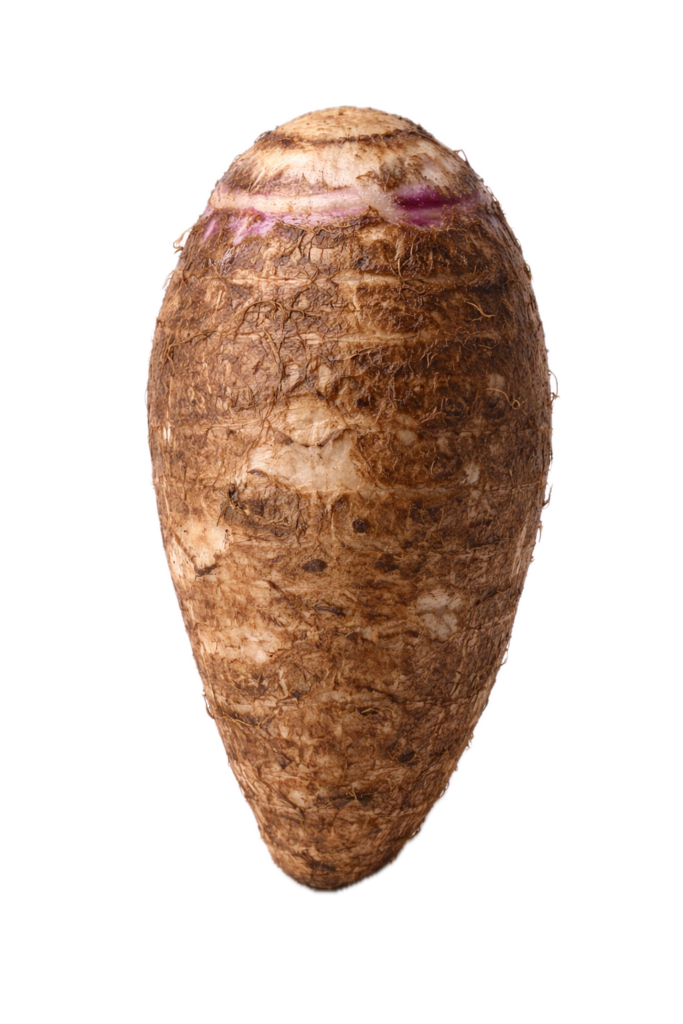
Malanga coco is characterized by rough, hairy skin and white flesh. It has a firm, starchy texture and a mild, nutty flavor. Commonly used in soups, mashes, and traditional dishes.
Eddoe
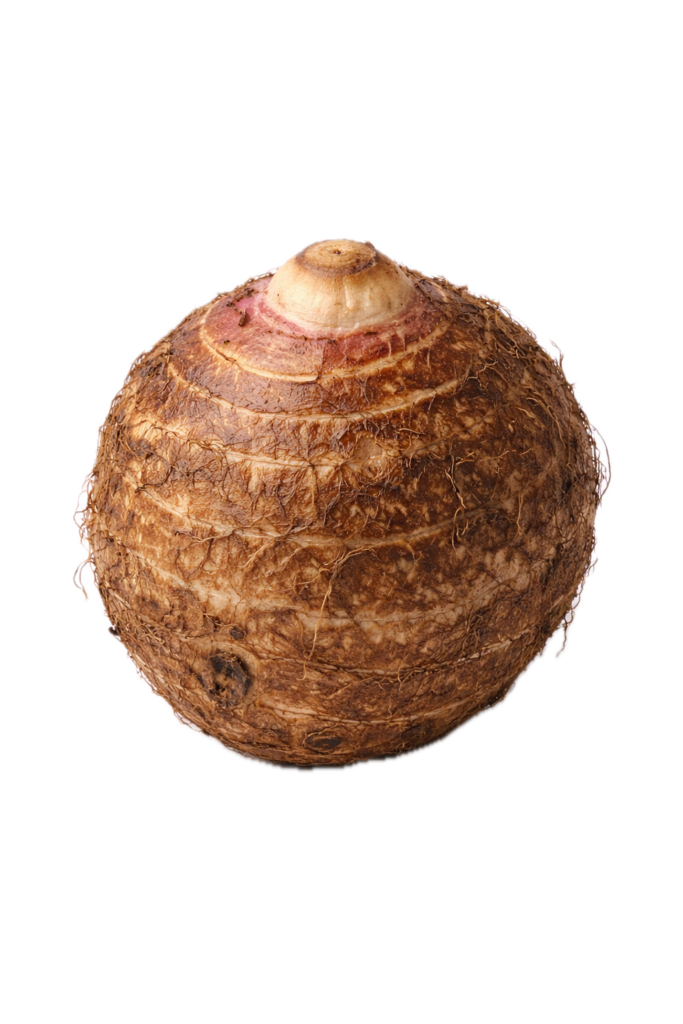
Malanga eddoe is smaller and rounder with a more fibrous exterior. The flesh is slightly firmer and can have a stronger earthy flavor. It is widely used in stews, boiling, and regional cuisine preparations.
Lila
Malanga coco is characterized by rough, hairy skin and white flesh. It has a firm, starchy texture and a mild, nutty flavor. Commonly used in soups, mashes, and traditional dishes.