
Product Overview
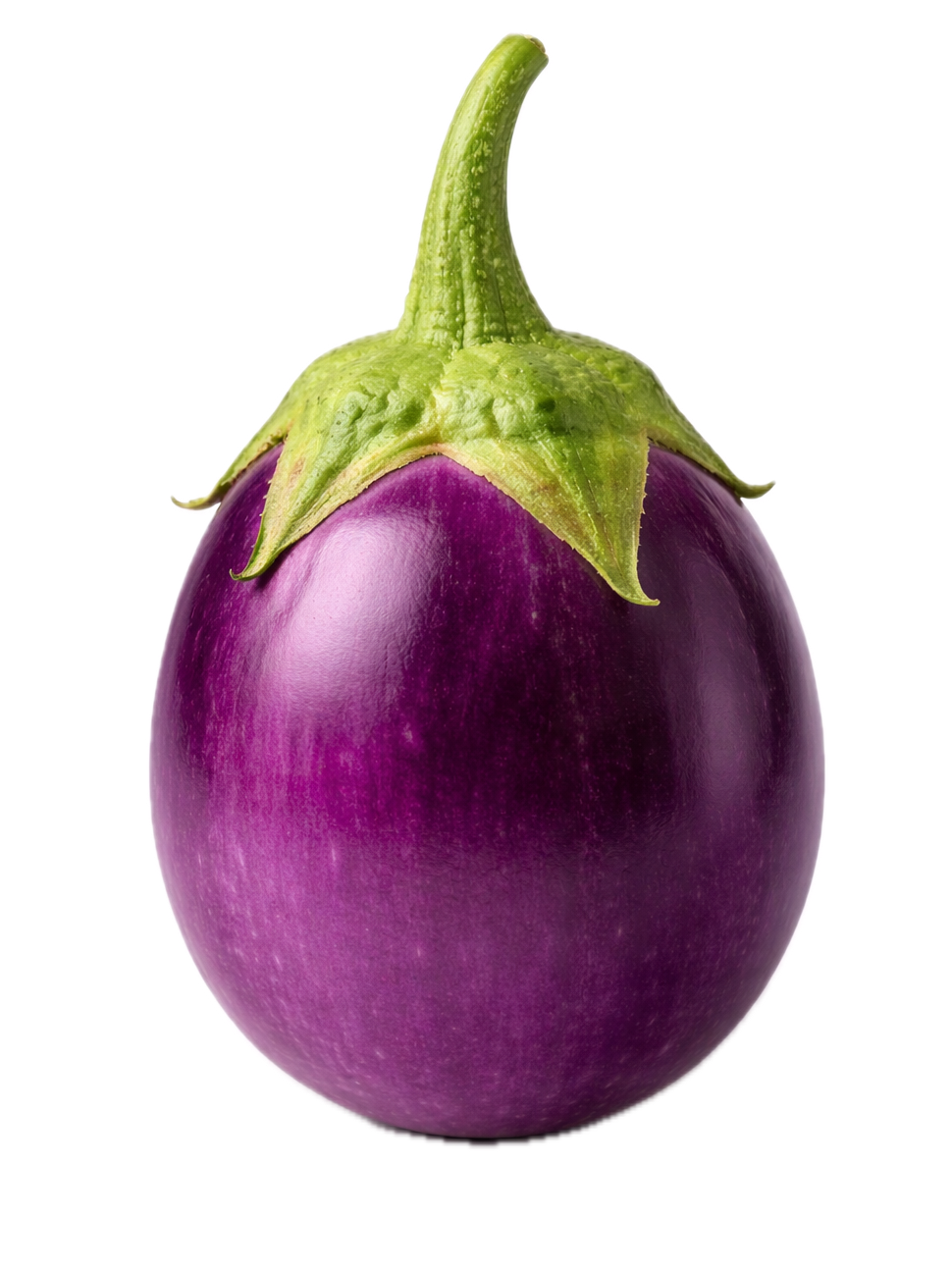
Eggplant, also known as aubergine or brinjal, is a widely cultivated vegetable in global produce markets. It is valued for its versatility, mild flavor, and ability to absorb seasonings, making it a staple in many cuisines. Eggplant is distributed fresh and is an important commodity in both retail and food service sectors.
Key Characteristics
Eggplant is a fleshy fruit with a smooth, glossy skin that varies in color from deep purple to light green depending on the variety. Shapes range from long and slender to round and bulbous. The flesh is spongy, creamy-white, and contains small edible seeds. Flavor is mild with slight bitterness that reduces when cooked. Eggplant is non-climacteric and does not ripen further after harvest.
Nutritional Value
Eggplant is low in calories and provides dietary fiber. It contains vitamins such as vitamin C and vitamin B6, along with antioxidants including nasunin, particularly in purple varieties. Eggplant also provides small amounts of potassium and other essential nutrients.
Seasonality and Origin
Eggplant is grown in warm climates and is available year-round due to continuous cultivation in tropical and subtropical regions. Major producing countries include China, India, Turkey, and Egypt. Its adaptability supports consistent supply in global markets.
Common Applications
• Grilling and roasting
• Curries and stews
• Stir-fries
• Baking and casseroles
• Pickling
• Traditional dishes across global cuisines
Storage and Handling
Proper handling is important to maintain firmness and prevent chilling injury.
• Recommended storage temperature: 50°F to 54°F
• Avoid temperatures below 50°F
• Relative humidity: 90–95%
• Shelf life: 1–2 weeks under optimal conditions
• Store in a cool, well-ventilated area
• Handle carefully to prevent bruising and skin damage
• Keep away from ethylene-producing commodities
Origin and Background
Eggplant is believed to have originated in South Asia and has been cultivated for centuries. It spread to the Middle East, Europe, and other regions through trade. Today, eggplant is grown worldwide, with breeding programs focusing on improved yield, reduced bitterness, and enhanced shelf life.
Grades and Quality Standards
| U.S. Grade Standards | Days Since Shipment | % of Defects Allowed | Optimum Transit Temp. (°F) |
| 10-1 | 5 4 3 2 1 | 15-3 14-3 13-2 11-1 10-1 | 46-54° |
Extra Fancy Grade
• Uniform size, shape, and color
• Smooth, glossy skin
• Free from blemishes, bruising, and defects
Fancy Grade
• Minor variations in size and appearance
• Slight cosmetic imperfections allowed
• Suitable for retail distribution
Commercial / Processing Grade
• Visible defects permitted
• Maintains internal quality
• Used for cooking and processing
Types of Eggplant
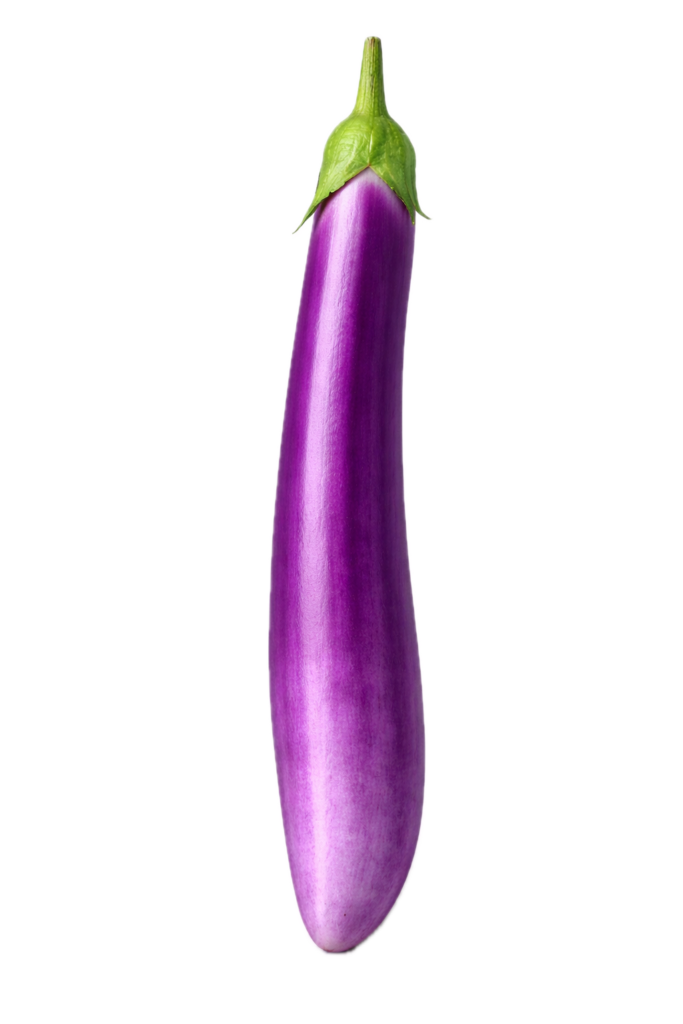
Chinese
Chinese eggplant is long and slender with a thin skin and light purple color. It has a tender texture and mild flavor, making it ideal for stir-fries and sautéed dishes.
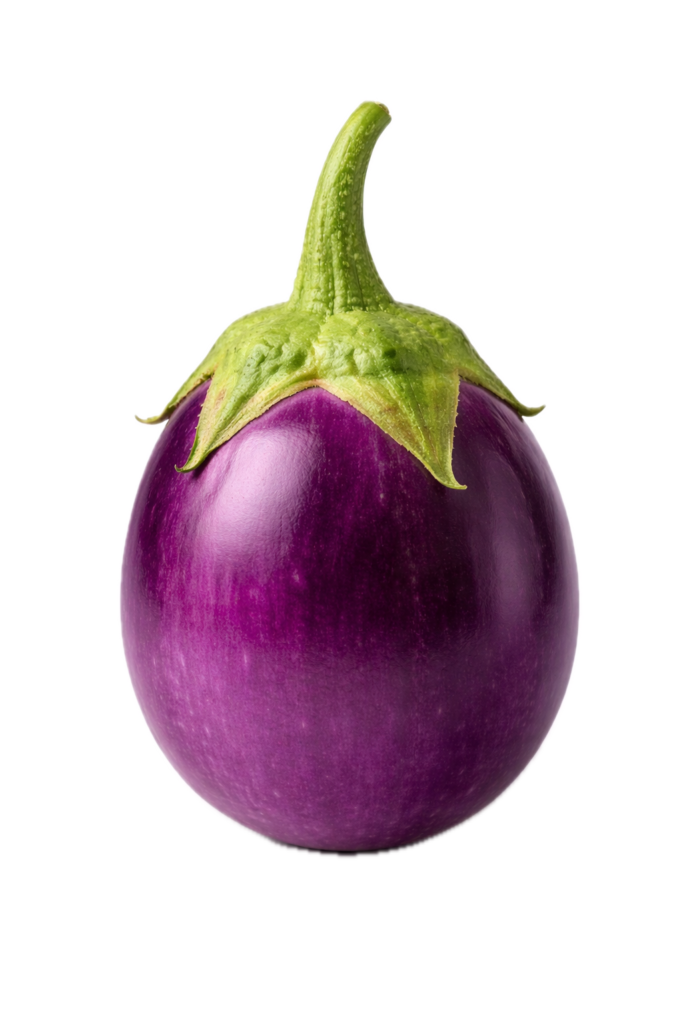
Indian
Indian eggplant is typically small and round with a deep purple color. It has a slightly stronger flavor and is commonly used in curries, stuffed preparations, and traditional Indian dishes.
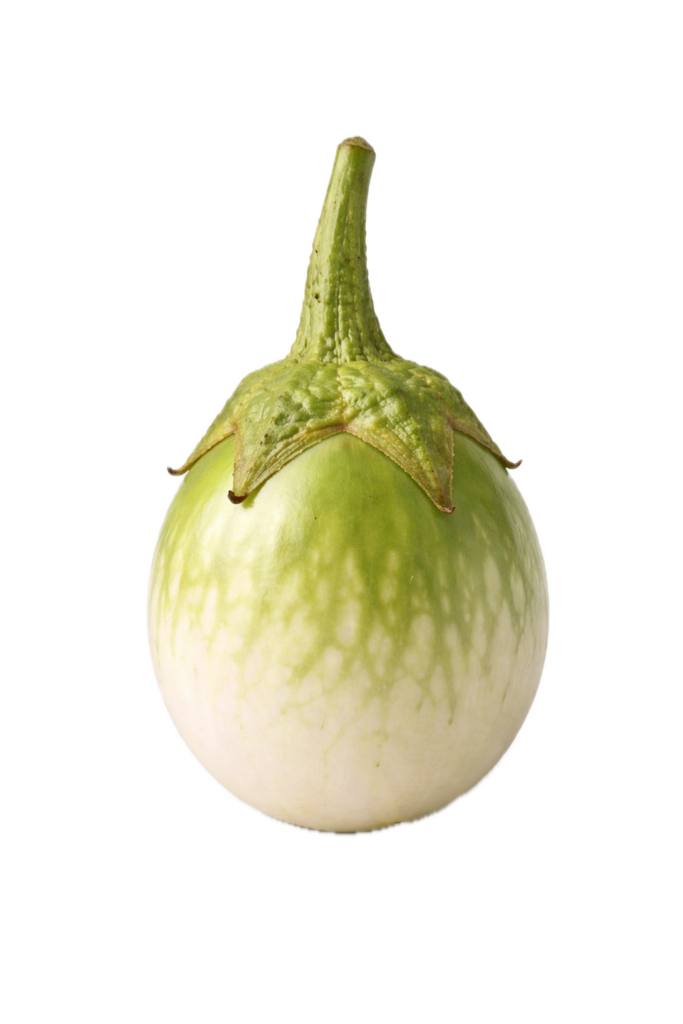
Thai
Thai eggplant is small, round, and often green or striped. It has a firm texture and slightly bitter taste, commonly used in Thai curries and traditional Southeast Asian dishes.
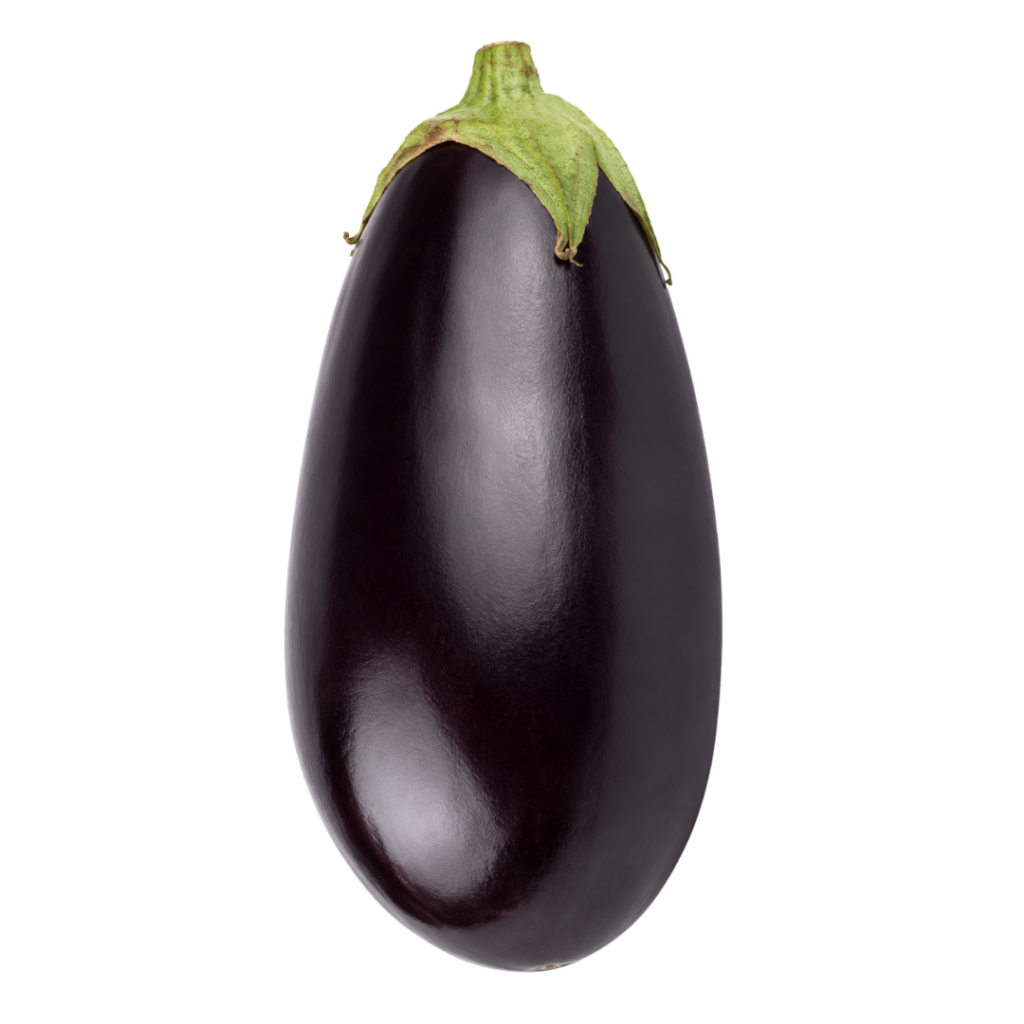
American
Large, oval-shaped eggplant with glossy deep purple skin and creamy-white flesh. It has a mild flavor, tender texture, and is commonly used for grilling, roasting, baking, stuffing, and casseroles. This is the most widely marketed eggplant variety in North America.