
Product Overview
Guaje is a traditional legume pod widely consumed in Mexican and Central American cuisines. It is valued for its distinctive flavor and cultural significance, primarily marketed in fresh, whole pod form. Guaje is commonly used in regional dishes and local markets rather than large-scale global trade, but it remains an important specialty produce item.
Key Characteristics
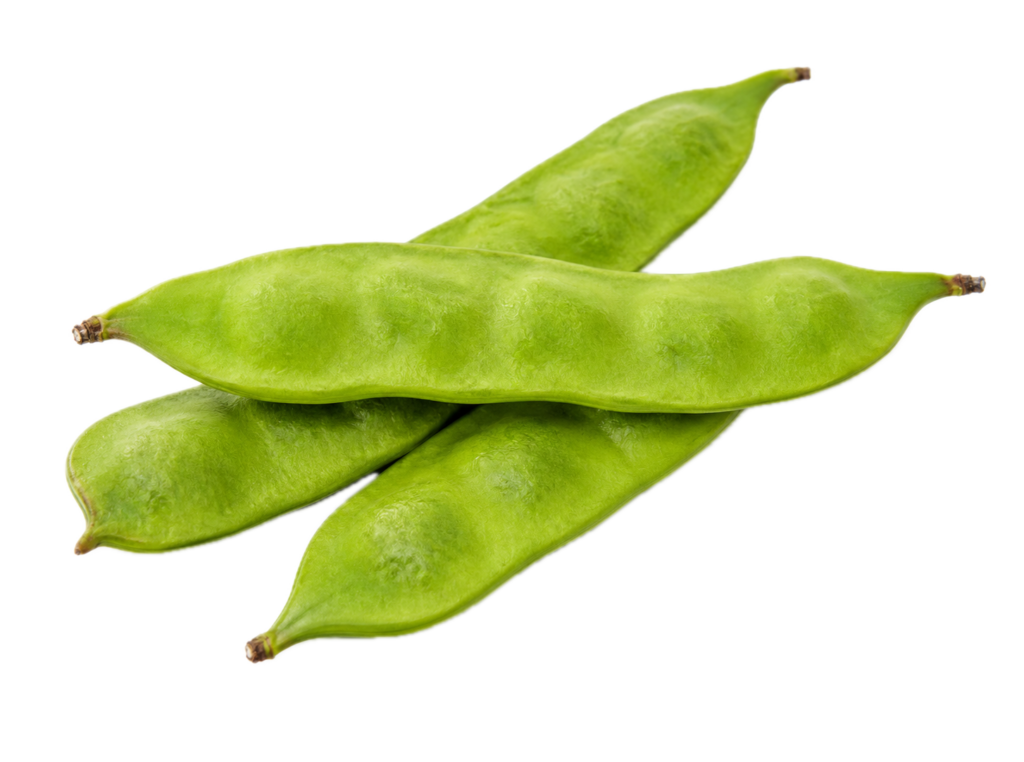
Guaje consists of long, flat pods containing edible seeds. The pods are typically green when immature and may turn reddish as they mature depending on the variety. The seeds inside are soft when young and become firmer with maturity. Flavor is strong, earthy, and slightly pungent, often described as nutty or garlicky. Guaje is non-climacteric and does not ripen further after harvest.
Nutritional Value
Guaje seeds provide plant-based protein and dietary fiber. They also contain vitamins such as vitamin C and small amounts of B vitamins. The seeds offer minerals including iron and calcium, contributing to their nutritional value in traditional diets.
Seasonality and Origin
Guaje is grown in tropical and subtropical regions, particularly in Mexico and parts of Central America. It is typically harvested during warmer months but may be available for extended periods in local markets due to staggered production. It is not widely exported and is mostly consumed regionally.
Common Applications
• Fresh consumption (raw seeds)
• Traditional salsas and sauces
• Soups and stews
• Ground into pastes
• Regional culinary dishes
Storage and Handling
Proper handling helps maintain freshness and prevent drying.
• Recommended storage temperature: 45°F to 50°F
• Relative humidity: 85–90%
• Shelf life: 1–2 weeks under optimal conditions
• Store in a cool, dry, and ventilated area
• Avoid excessive moisture to prevent spoilage
• Handle carefully to prevent pod damage
• Best consumed fresh for optimal flavor
Origin and Background
Guaje originates from Mesoamerica and has been used for centuries in indigenous diets. It comes from trees in the Leucaena genus and plays an important role in traditional agriculture and cuisine. Today, it remains a culturally significant food, especially in rural and regional markets.
Grades and Quality Standards
Extra Fancy Grade
• Uniform pods with bright color
• Fresh, tender seeds
• Free from damage, decay, or discoloration
Fancy Grade
• Minor variations in size and color
• Slight surface imperfections allowed
• Suitable for general consumption
Commercial / Processing Grade
• Visible defects permitted
• Seeds may be more mature or firm
• Used for cooking and processed applications
Types of Guaje
Green
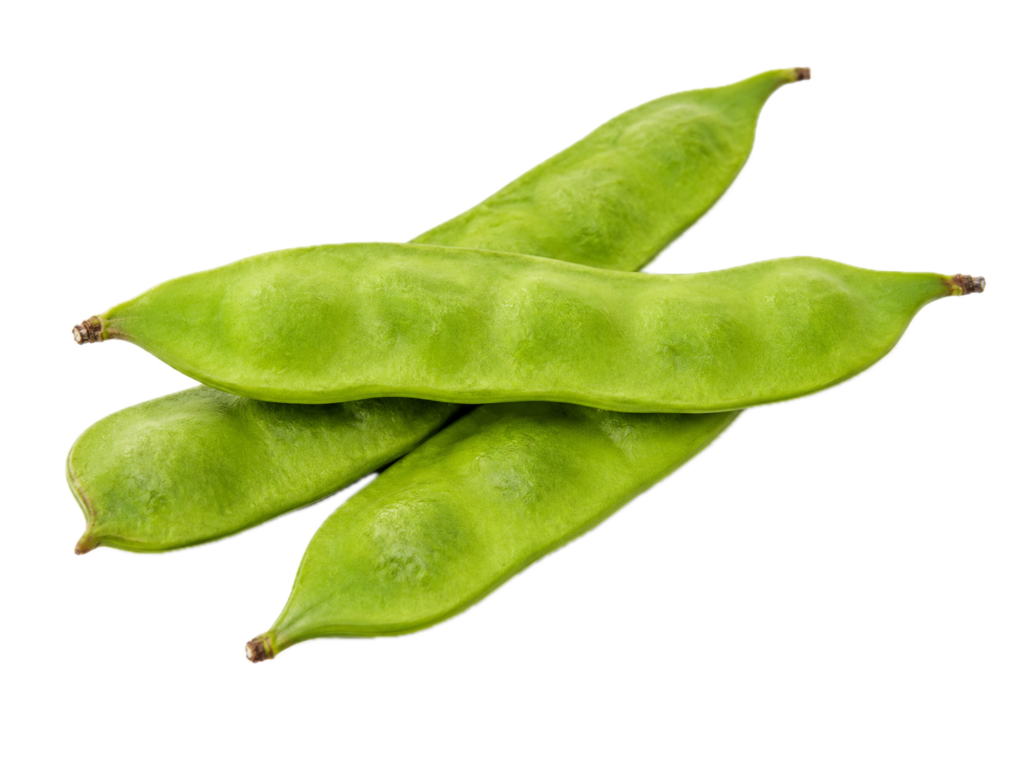
Green guaje features immature pods with bright green color and soft seeds. It has a milder, fresher flavor and is commonly consumed raw or used in salsas.
Red
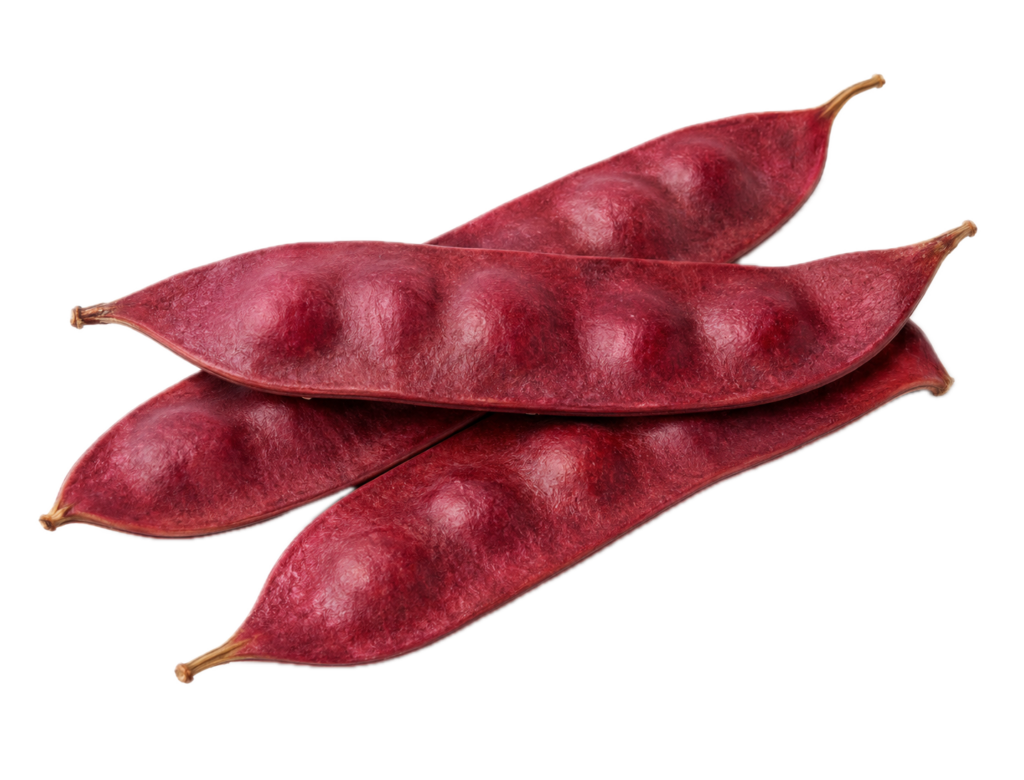
Red guaje refers to more mature pods that develop a reddish hue. The seeds are firmer and have a stronger, more intense flavor, often used in cooked dishes and traditional preparations.