
Product Overview
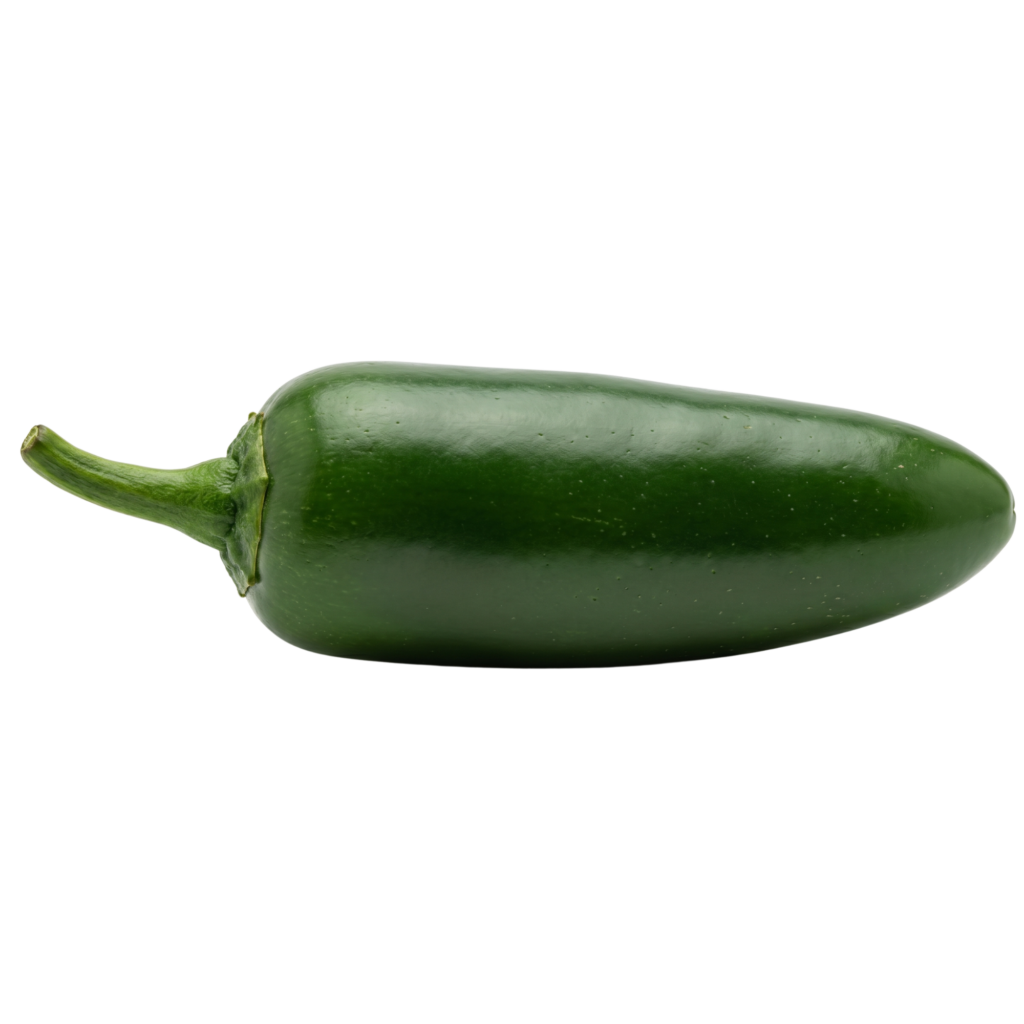
Jalapeño peppers are one of the most widely used medium-heat chili varieties in global cuisine. Known for their balanced heat and fresh, grassy flavor, they are a key commodity in both fresh produce and processed food markets. Jalapeños are commonly consumed raw, cooked, or preserved, making them highly versatile and consistently in demand.
Key Characteristics
Jalapeños are medium-sized, cylindrical peppers with smooth, glossy skin and thick flesh. They are typically harvested green but turn red as they fully mature. The texture is firm and crisp when fresh. Flavor ranges from mildly spicy to moderately hot, with a bright, slightly grassy taste in green stages and a sweeter, richer profile when red.
Nutritional Value
Jalapeños are a good source of vitamin C and also provide vitamin A and vitamin B6. They contain capsaicin, which contributes to their heat and offers potential health benefits. Low in calories, they are commonly used to enhance flavor without significantly increasing caloric intake.
Seasonality and Origin
Jalapeños are grown in warm climates, with major production in Mexico, the United States, and Central America. They are cultivated in both open fields and greenhouse environments, allowing for year-round availability in many markets.
Common Applications
• Fresh consumption in salads and salsas
• Pickling and preservation
• Cooking in sauces, stews, and stir-fries
• Toppings for pizzas, sandwiches, and nachos
• Stuffed jalapeño dishes
• Hot sauce production
Storage and Handling
Proper storage helps maintain freshness and quality.
• Recommended storage temperature: 45°F to 50°F
• Relative humidity: 90–95%
• Avoid temperatures below 45°F to prevent chilling injury
• Store in ventilated containers or perforated packaging
• Keep dry to reduce decay
• Handle carefully to avoid bruising
Origin and Background
Jalapeños originated in Mexico and are named after the city of Xalapa. They have been cultivated for centuries and remain a staple in Mexican and global cuisines. Modern production focuses on uniformity, consistent heat levels, and suitability for fresh and processed markets.
Grades and Quality Standards
Extra Fancy Grade
• Uniform size and shape
• Bright, consistent color
• Firm texture with smooth skin
• Free from defects and damage
Fancy Grade
• Minor variations in size and appearance
• Slight surface imperfections allowed
• Suitable for retail distribution
Commercial / Processing Grade
• Visible defects permitted
• May include irregular shapes or sizes
• Used for processing, pickling, and sauces
Types of Jalapeño
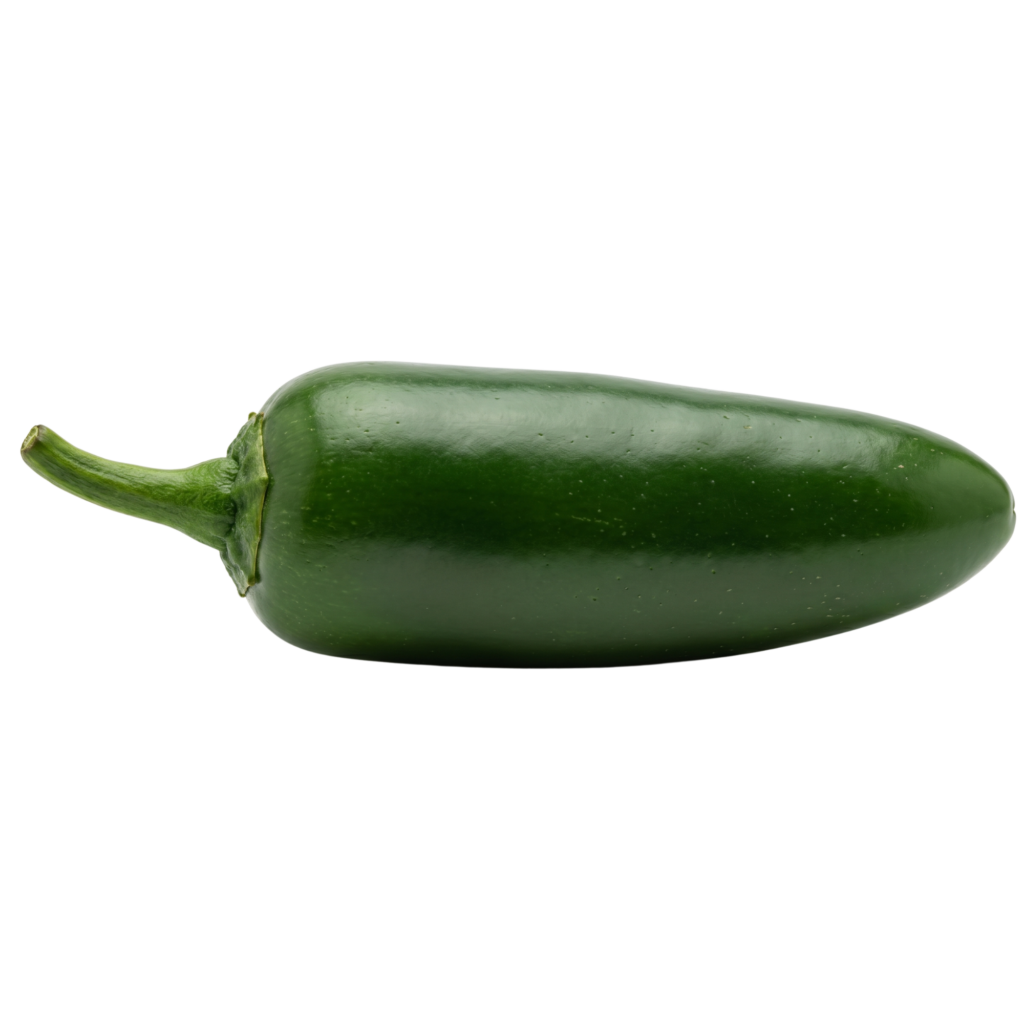
Green
Harvested before full maturity, green jalapeños have a firm texture and a fresh, slightly grassy flavor with moderate heat. They are widely used in fresh salsas, cooking, and pickling.
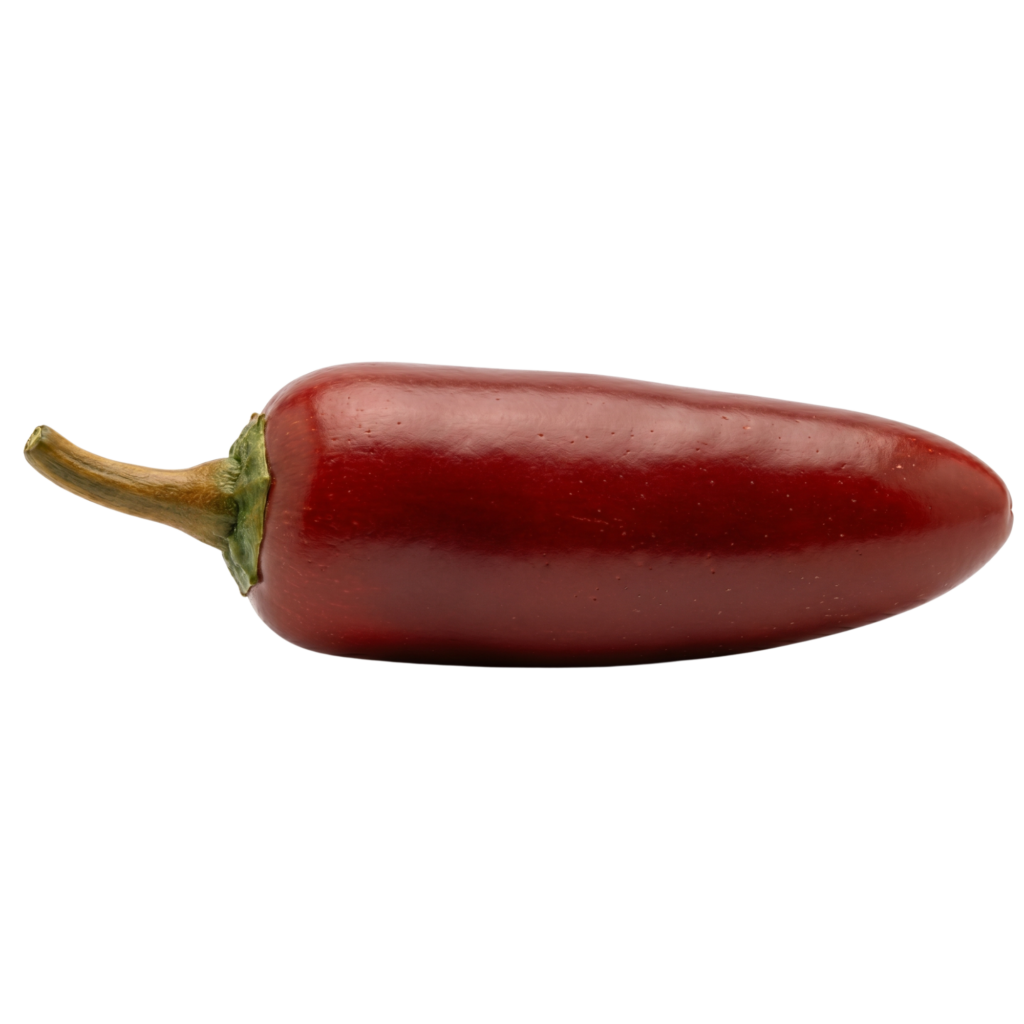
Red
Fully ripened jalapeños that develop a red color and a slightly sweeter, more complex flavor while retaining heat. Commonly used for sauces, drying, and specialty culinary applications.