Product Overview
Habanero peppers are a high-heat chili variety widely used in culinary applications that require intense spice and distinctive fruity flavor. They are an important commodity in specialty produce markets and are commonly used in sauces, salsas, and processed products. Known for their strong pungency, habaneros are favored in both fresh and processed forms across global cuisines.
Key Characteristics
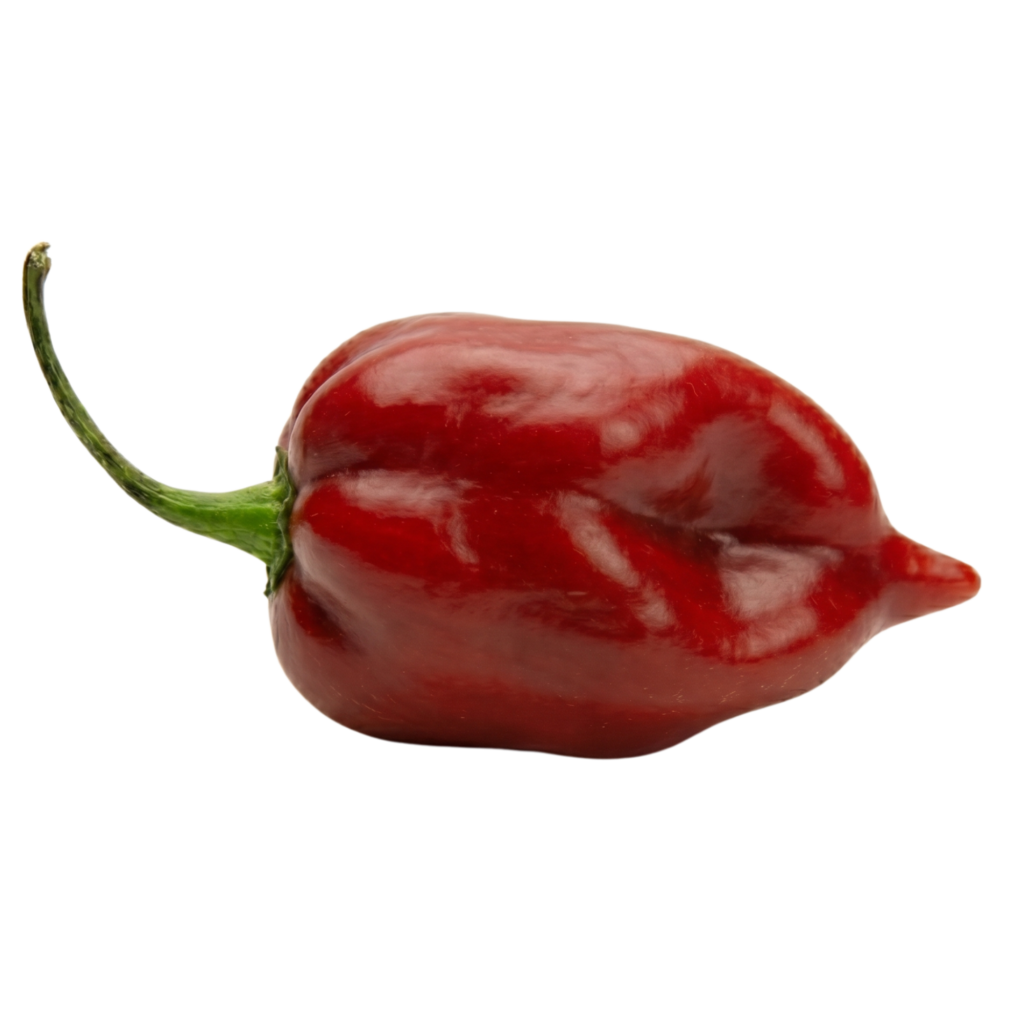
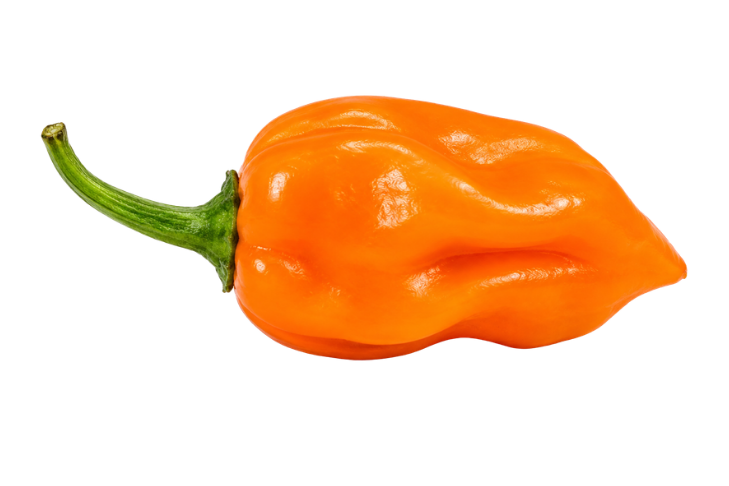
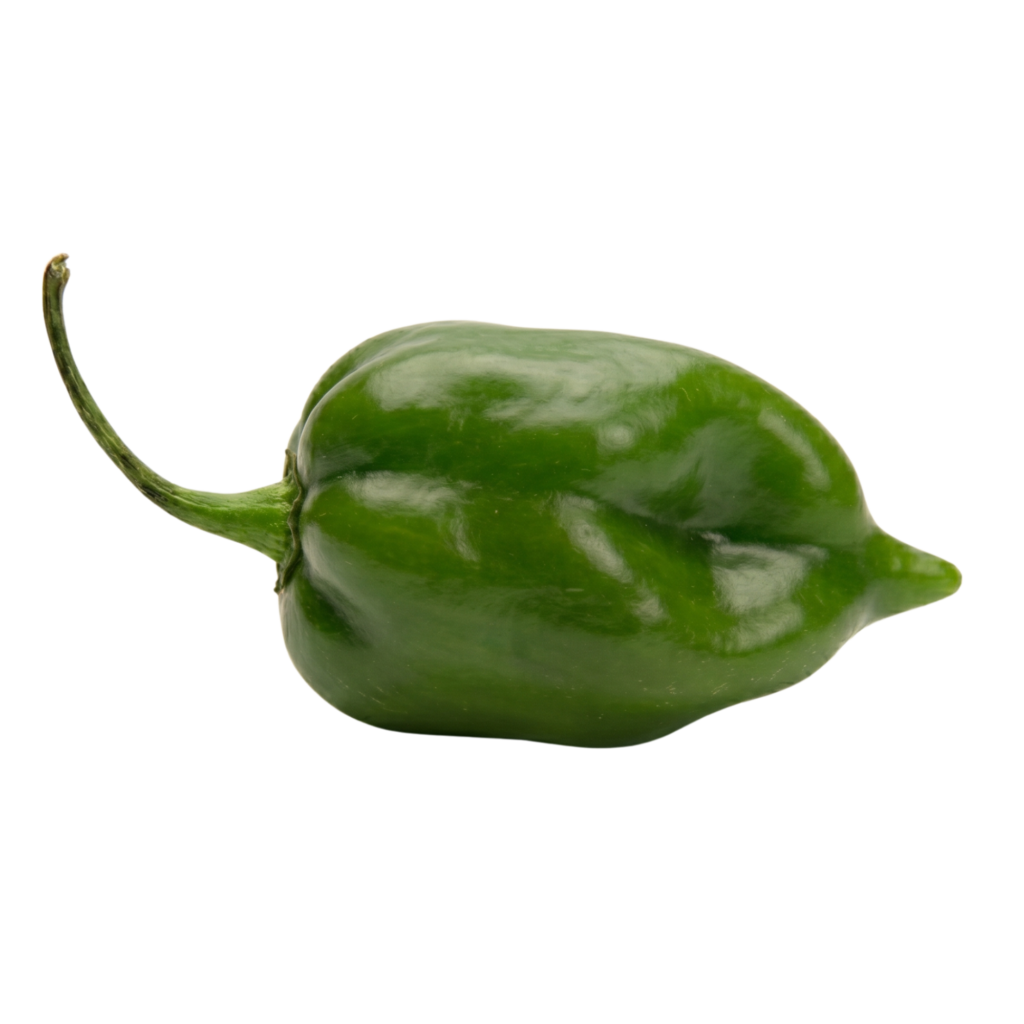
Habanero peppers are small, lantern-shaped fruits with thin, waxy skin. They typically range in color from green to orange and red as they mature. The texture is smooth and slightly firm, while the flavor combines intense heat with subtle fruity and citrus-like notes. Heat levels are significantly higher than common chili peppers, making careful handling essential.
Nutritional Value
Habanero peppers are rich in vitamin C and also provide vitamin A and antioxidants such as capsaicin, which is responsible for their heat. They are low in calories and are often used in small quantities due to their pungency. Capsaicin is also associated with various metabolic and health benefits.
Seasonality and Origin
Habanero peppers are grown in warm, tropical, and subtropical climates. Major production regions include Mexico, particularly the Yucatán Peninsula, as well as parts of Central America and the Caribbean. With greenhouse cultivation and imports, habaneros are available year-round in many markets.
Common Applications
• Hot sauces and chili pastes
• Salsas and condiments
• Marinades and spice blends
• Cooking in stews and sauces
• Pickling and preservation
• Specialty culinary dishes requiring high heat
Storage and Handling
Proper storage is essential to maintain freshness and potency.
• Recommended storage temperature: 45°F to 50°F
• Relative humidity: 90–95%
• Avoid temperatures below 45°F to prevent chilling injury
• Store in ventilated containers or perforated packaging
• Handle with care; avoid direct contact with skin and eyes
• Maintain dryness to reduce risk of decay
Origin and Background
Habanero peppers are believed to have originated in the Amazon region and later spread to the Caribbean and Central America. They became especially prominent in Mexican cuisine, where they are a key ingredient in traditional dishes and sauces. Modern cultivation focuses on yield, uniformity, and consistent heat levels.
Grades and Quality Standards
Extra Fancy Grade
• Uniform size and shape
• Bright, consistent color
• Firm texture with smooth skin
• Free from defects and decay
Fancy Grade
• Minor variations in size and color
• Slight surface imperfections allowed
• Suitable for general retail distribution
Commercial / Processing Grade
• Visible defects permitted
• May include irregular shapes or sizes
• Used for sauces, processing, and industrial applications
Types of Habanero
Green
Harvested before full maturity, green habaneros have a firm texture and a slightly less developed fruity flavor, though they still retain significant heat. Commonly used in cooking and sauces.
Orange
The most common mature form, orange habaneros have a bright color and a strong balance of intense heat and fruity flavor. Widely used in hot sauces and salsas.
Red
Fully ripened habaneros with a deeper red color, offering a slightly sweeter and richer flavor profile along with high heat intensity. Preferred for premium sauces and specialty dishes.