
Product Overview
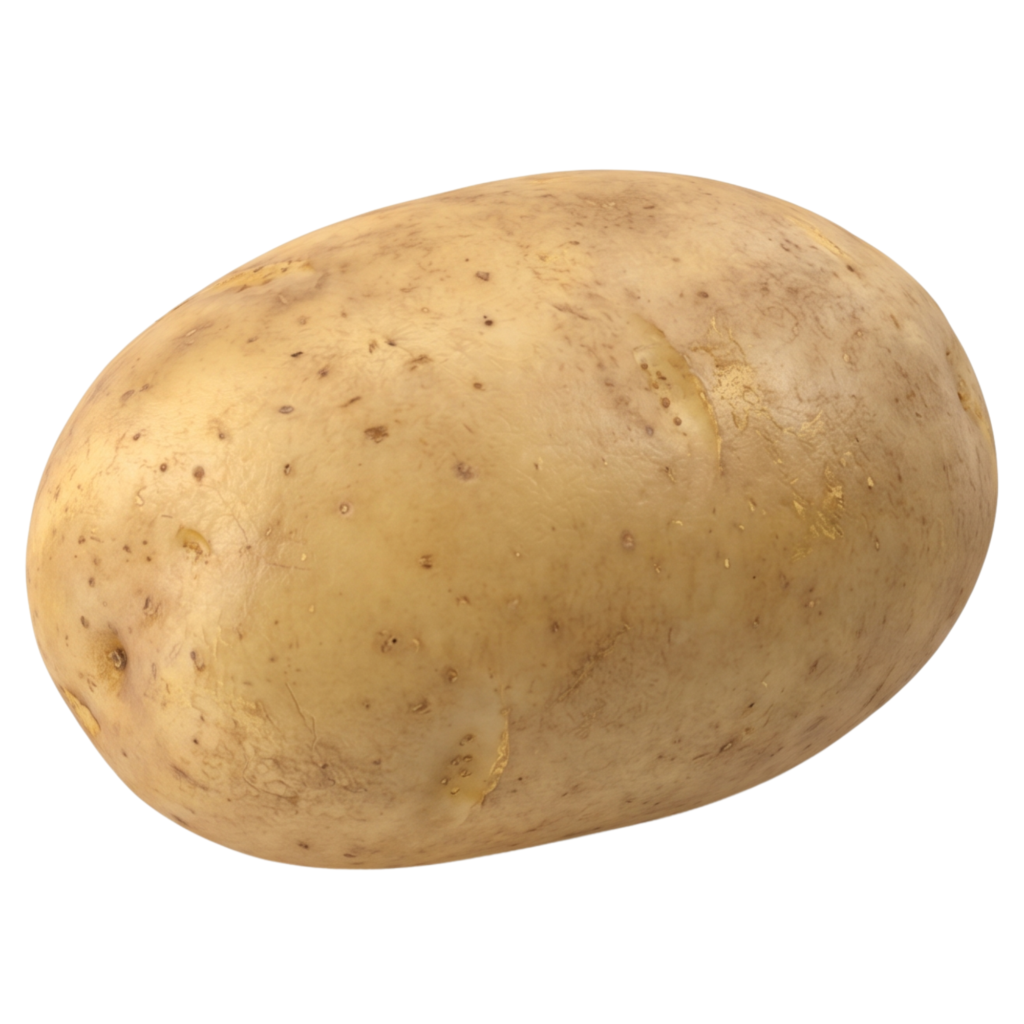
Potatoes are one of the most widely consumed staple foods globally and a key commodity in both fresh and processed produce markets. Known for their versatility, long storage life, and nutritional value, potatoes are used across a wide range of culinary applications. They are cultivated in diverse climates and are a major component of food systems worldwide, supporting both retail and industrial demand.
Key Characteristics
Potatoes are underground tubers with a starchy interior and a thin to thick outer skin depending on the variety. Flesh color can range from white and yellow to red or even orange in the case of sweet potatoes. Texture varies from waxy to mealy, influencing their suitability for different cooking methods. Flavor is generally mild and earthy, allowing them to adapt to a wide range of dishes.
Nutritional Value
Potatoes are a good source of carbohydrates, primarily in the form of starch. They also provide dietary fiber, vitamin C, vitamin B6, and potassium. When consumed with the skin, they offer additional nutrients and fiber. Potatoes are naturally fat-free and serve as an important energy source in many diets.
Seasonality and Origin
Potatoes are grown in temperate regions worldwide, with major producers including China, India, Russia, and the United States. They are harvested in multiple seasons depending on the region and are available year-round due to their excellent storage capabilities.
Common Applications
• Fresh cooking (boiling, baking, frying, roasting)
• Processed products (chips, fries, flakes)
• Soups and stews
• Mashed and pureed preparations
• Industrial starch production
• Snack food manufacturing
Storage and Handling
Proper storage is essential to maintain quality and prevent spoilage.
• Recommended storage temperature: 45°F to 50°F
• Relative humidity: 90–95%
• Store in a dark, well-ventilated area to prevent greening and sprouting
• Avoid refrigeration below recommended temperatures to prevent sugar buildup
• Keep away from direct sunlight
• Handle carefully to minimize bruising and mechanical damage
Origin and Background
Potatoes originated in the Andes region of South America and have been cultivated for thousands of years. They were introduced to Europe in the 16th century and gradually spread worldwide. Today, potatoes are bred for yield, disease resistance, and suitability for processing and storage, making them one of the most important global food crops.
Grades and Quality Standards
| U.S. Grade Standards | Days Since Shipment | % of Defects Allowed | Optimum Transit Temp. (°F) |
| 8-[5 int, 5 ext]-1 | 5 4 3 2 1 | 14-[10 int, 10 ext]-3 13-[10 int, 10 ext]-3 12-[9 int, 9 ext]-3 11-[8 int, 8 ext]-2 10-[7 int, 10 ext]-2 | 50-60° (early) 40-50° (late) |
Extra Fancy Grade
• Uniform size and shape
• Smooth skin with minimal defects
• Free from cuts, sprouting, and discoloration
• High internal quality
Fancy Grade
• Slight variations in size and shape
• Minor skin blemishes permitted
• Suitable for retail and general consumption
Commercial / Processing Grade
• Visible external defects allowed
• May include irregular shapes or sizes
• Used for processing, starch production, and industrial use
Types of Potato
Gold
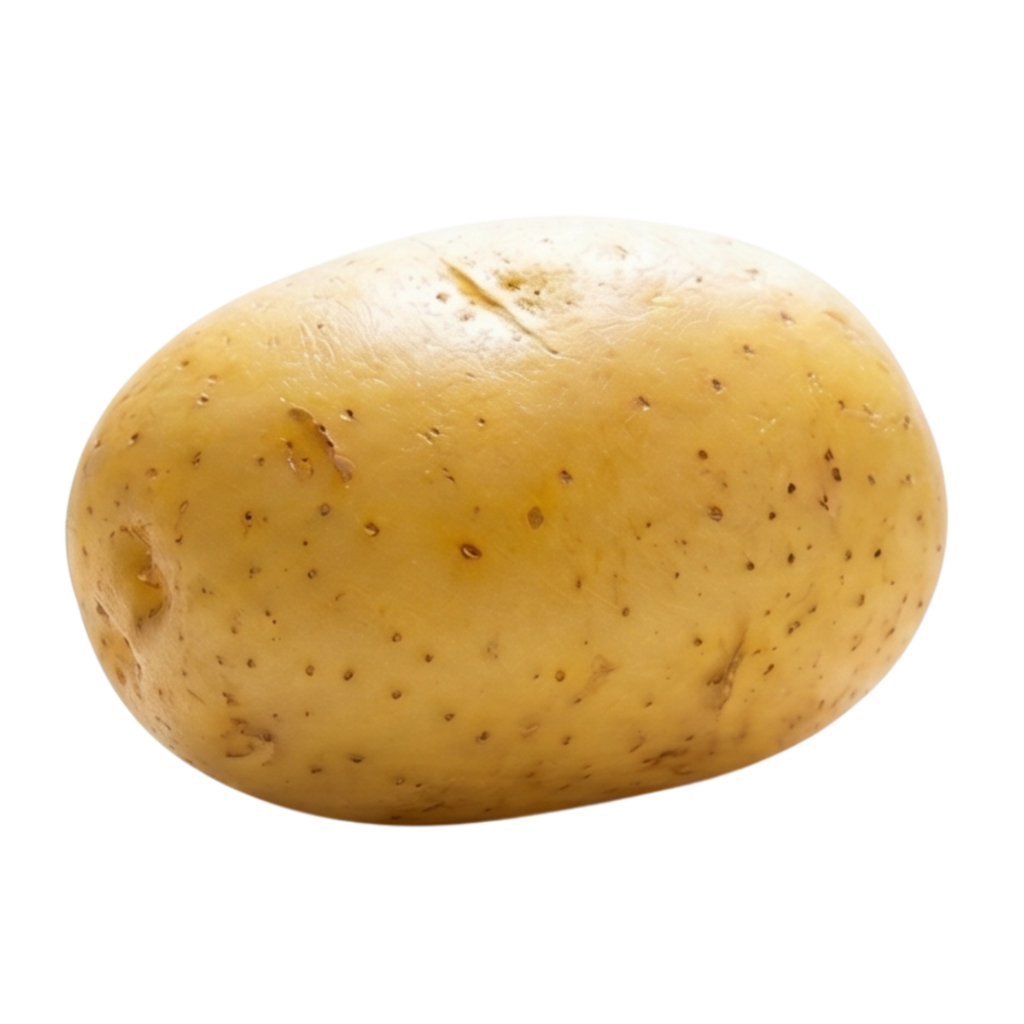
Also known as Yukon Gold-type potatoes, these have a smooth yellow skin and golden flesh. They offer a buttery flavor and medium starch content, making them ideal for mashing, roasting, and boiling.
Red
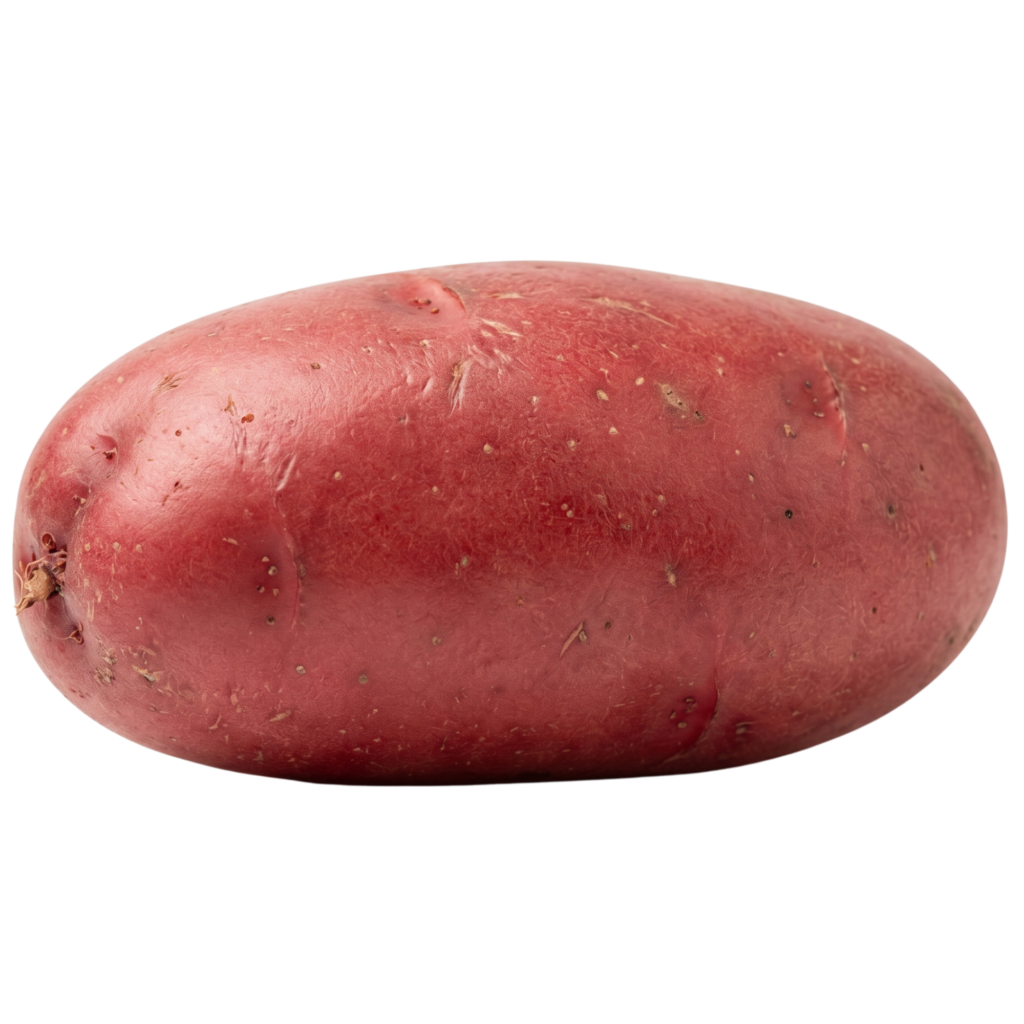
Red potatoes have thin red skin and white flesh with a waxy texture. They hold their shape well after cooking, making them suitable for salads, boiling, and roasting.
Russet
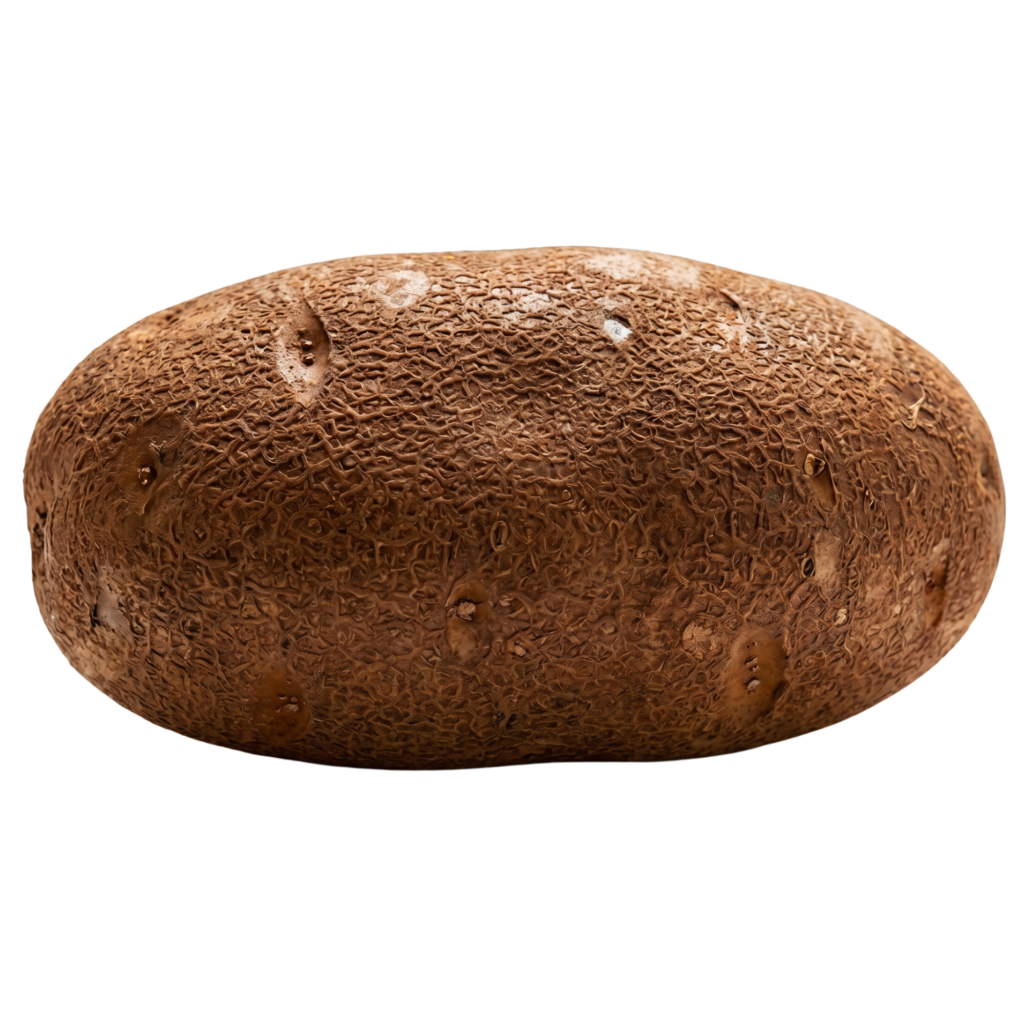
Russet potatoes are large with rough brown skin and white flesh. They have a high starch content and a fluffy texture when cooked, making them ideal for baking, frying, and making mashed potatoes.
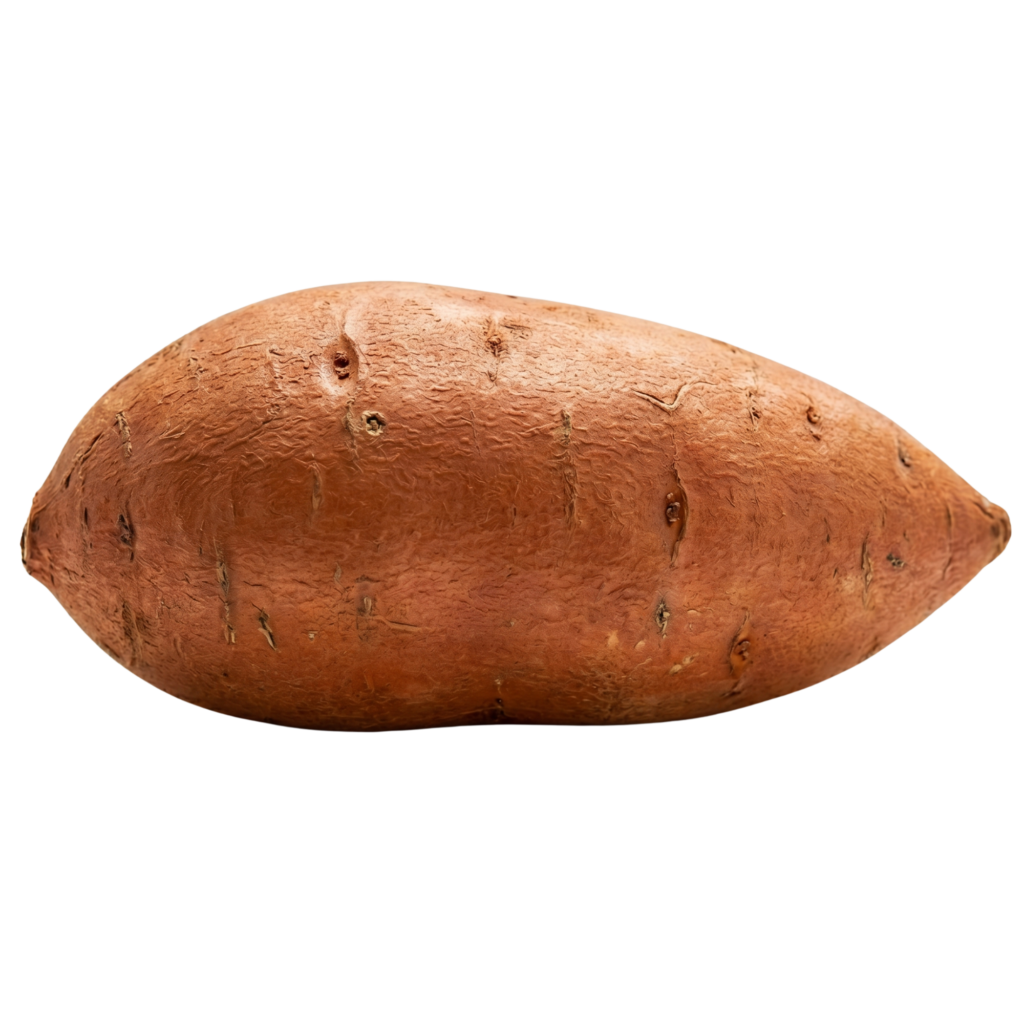
Sweet
Sweet potatoes are botanically different from regular potatoes and have an orange flesh with a naturally sweet flavor. They are commonly used in baking, roasting, and in both savory and sweet dishes.
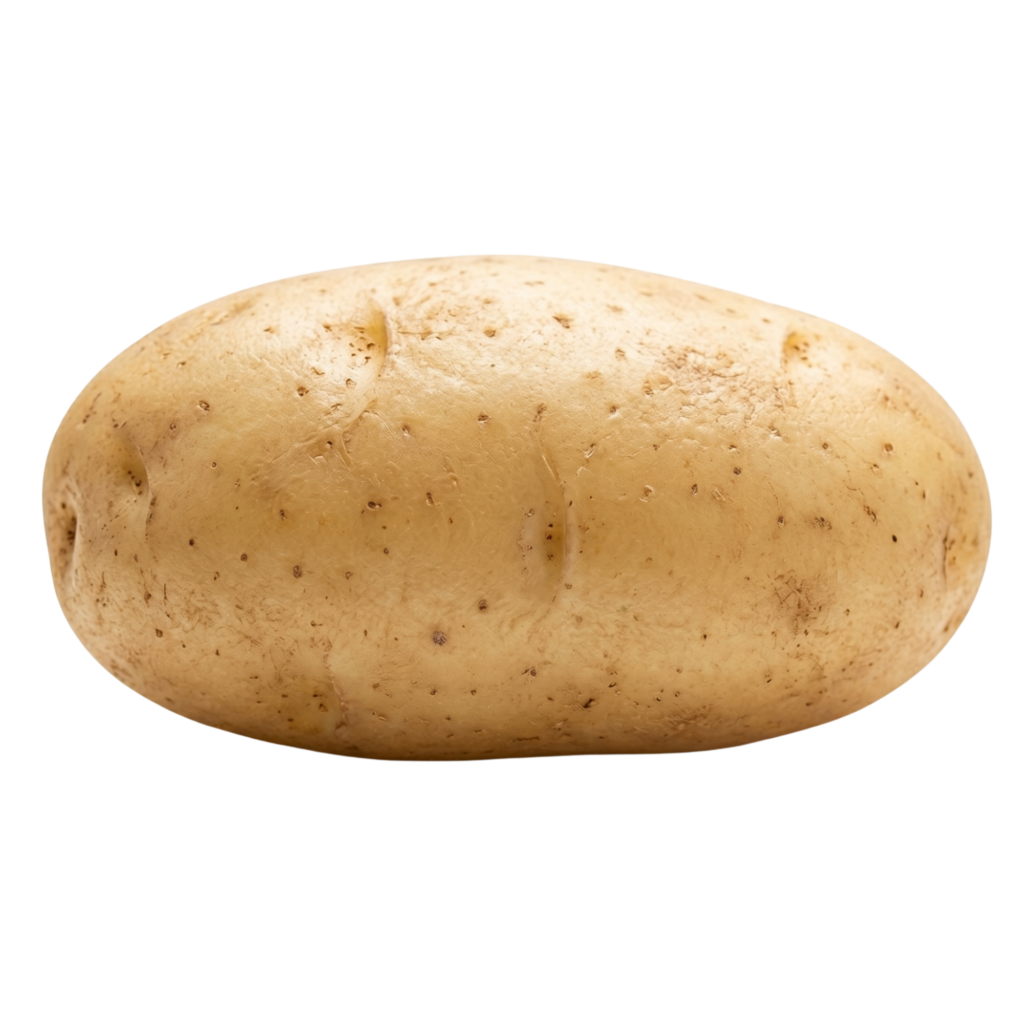
White
White potatoes have a light-colored skin and flesh with a balanced starch content. They offer a creamy texture and are versatile for boiling, frying, and roasting.
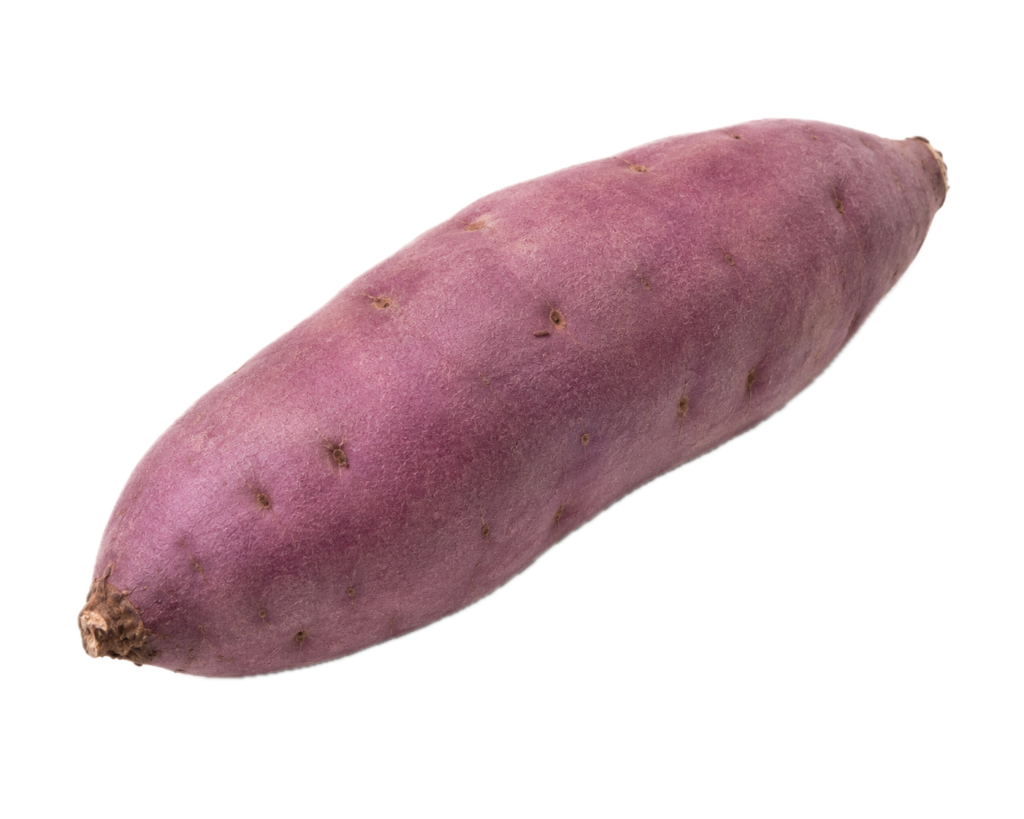
Japanese Sweet
Japanese sweet potatoes have reddish-purple skin and pale yellow to cream-colored flesh that becomes sweeter and denser when cooked. They have a dry, starchy texture and a rich, sweet flavor. Commonly used for roasting, baking, and traditional Asian culinary applications.