Product Overview
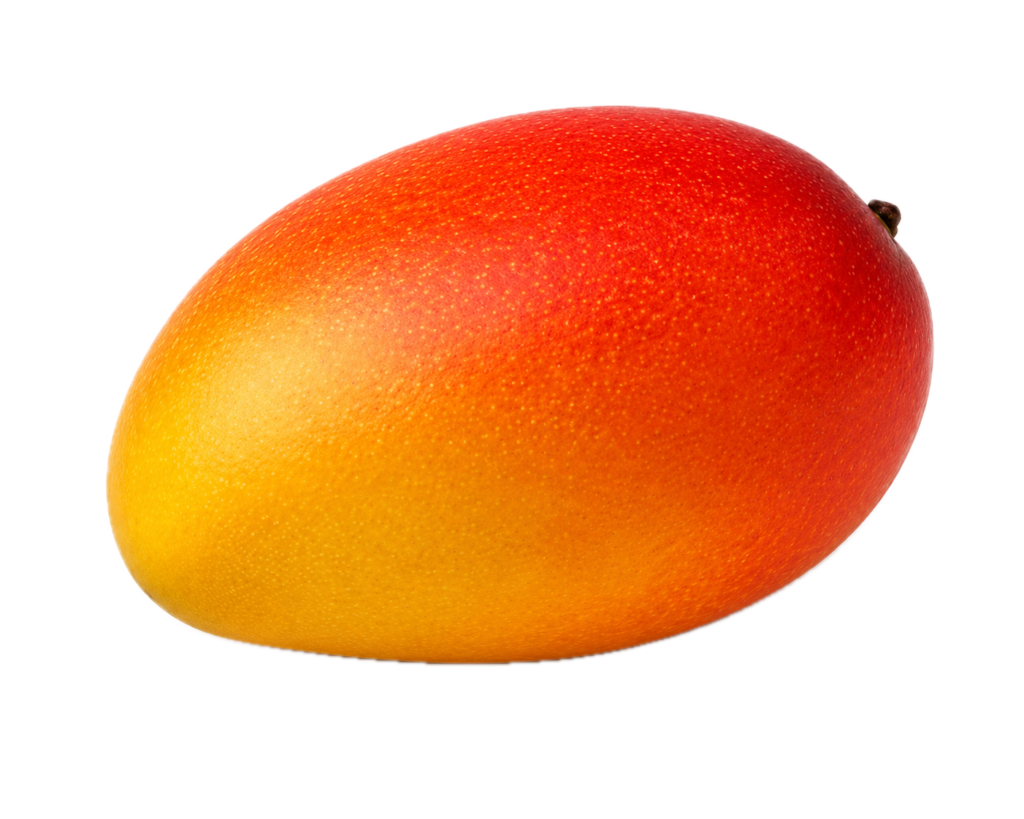
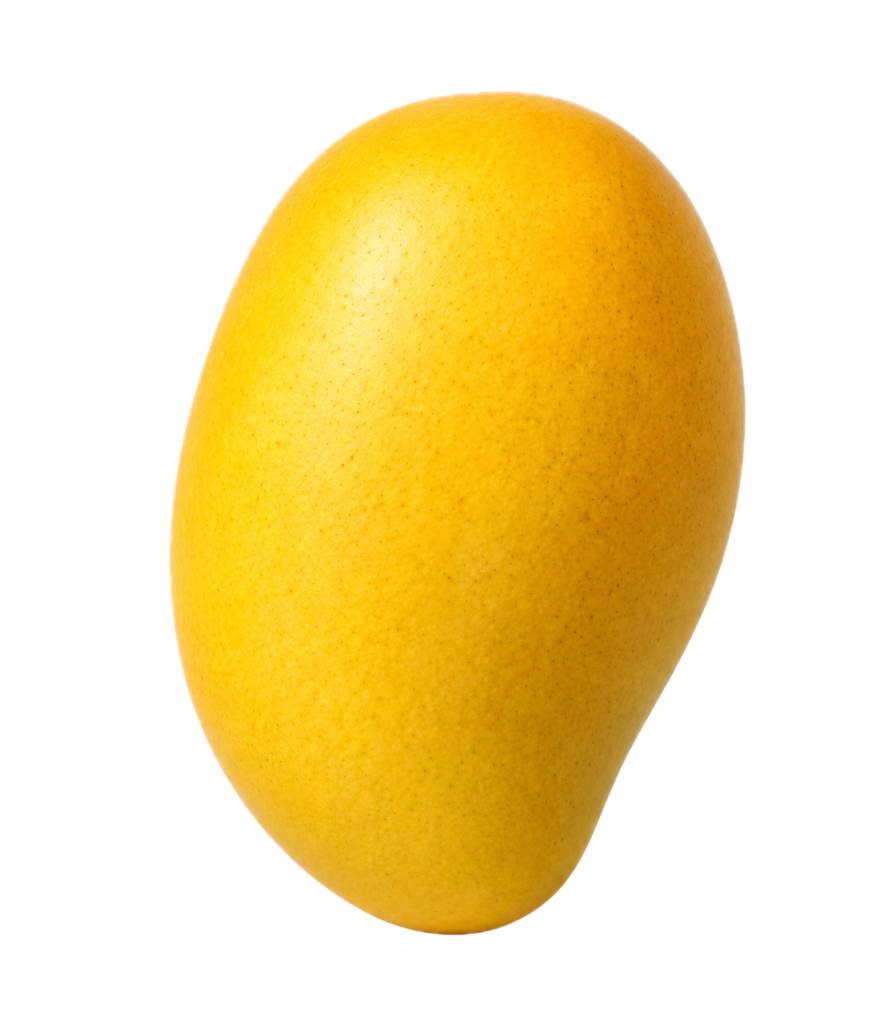
Mangoes are one of the most important tropical fruits in global trade, widely consumed for their rich flavor, vibrant color, and nutritional benefits. They are distributed in both fresh and processed forms across retail and food service sectors. Due to strong international demand and wide varietal diversity, mangoes are considered a key commodity in the global produce market.
Key Characteristics
Mangoes are medium to large fruits with a single flat pit in the center. Their skin color varies from green to yellow, orange, or red depending on the variety and maturity. The flesh is juicy, smooth, and ranges from firm to soft when ripe. Flavor varies from mildly sweet to intensely sweet and aromatic. Mangoes are climacteric fruits, meaning they continue to ripen after harvest due to ethylene production.
Nutritional Value
Mangoes are rich in vitamin C, vitamin A, and dietary fiber. They also provide antioxidants such as beta-carotene and polyphenols. Mangoes contain natural sugars, making them a good source of energy, while remaining low in fat.
Seasonality and Origin
Mangoes are grown in tropical and subtropical regions. India is the largest producer globally, followed by countries such as Mexico, Thailand, Indonesia, and Brazil. In international trade, Mexico plays a key role in supplying mangoes to North America during off-peak periods. Availability varies by region, but staggered production ensures supply for most of the year.
Common Applications
• Fresh consumption
• Juices and beverages
• Smoothies and desserts
• Salads and culinary dishes
• Pickles and chutneys
• Processing (pulp, puree, canned products)
Storage and Handling
Proper handling is essential to manage ripening and maintain fruit quality.
• Recommended storage temperature: 50°F to 55°F (mature green stage)
• Avoid temperatures below 50°F to prevent chilling injury
• Relative humidity: 85–90%
• Shelf life: 1–3 weeks depending on maturity
• Ripen at room temperature or in controlled ripening conditions
• Handle carefully to prevent bruising and sap burn damage
• Use ethylene management for uniform ripening
Origin and Background
Mangoes originated in South Asia, particularly India, where they have been cultivated for thousands of years. They spread to other tropical regions through trade and exploration. Today, mango cultivation is widespread, with breeding programs focusing on improving flavor, fiber content, shelf life, and resistance to pests and diseases.
Grades and Quality Standards
| U.S. Grade Standards | Days Since Shipment | % of Defects Allowed | Optimum Transit Temp. (°F) |
| 10-5-2 | 5 4 3 2 1 | 15-8-4 14-8-4 13-7-3 12-6-2 10-5-2 | 55° |
Extra Fancy Grade
• Uniform size, shape, and color
• Free from blemishes, bruising, and defects
• Proper maturity and firmness
Fancy Grade
• Minor variations in size and appearance
• Slight cosmetic imperfections allowed
• Suitable for retail distribution
Commercial / Processing Grade
• Visible defects permitted
• Maintains internal quality
• Used for pulp, juice, and industrial processing
Types of Mango
Ataulfo
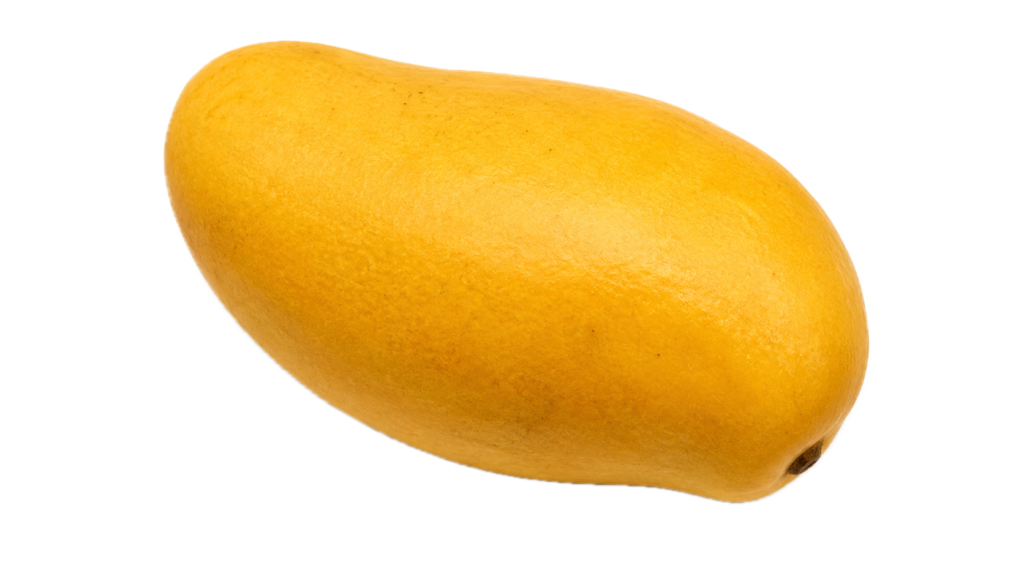
Small to medium-sized mango with golden-yellow skin and nearly fiberless flesh. It has a rich, buttery texture and an intensely sweet flavor with tropical and floral notes. Popular for fresh consumption and premium export markets.
Tommy Atkins
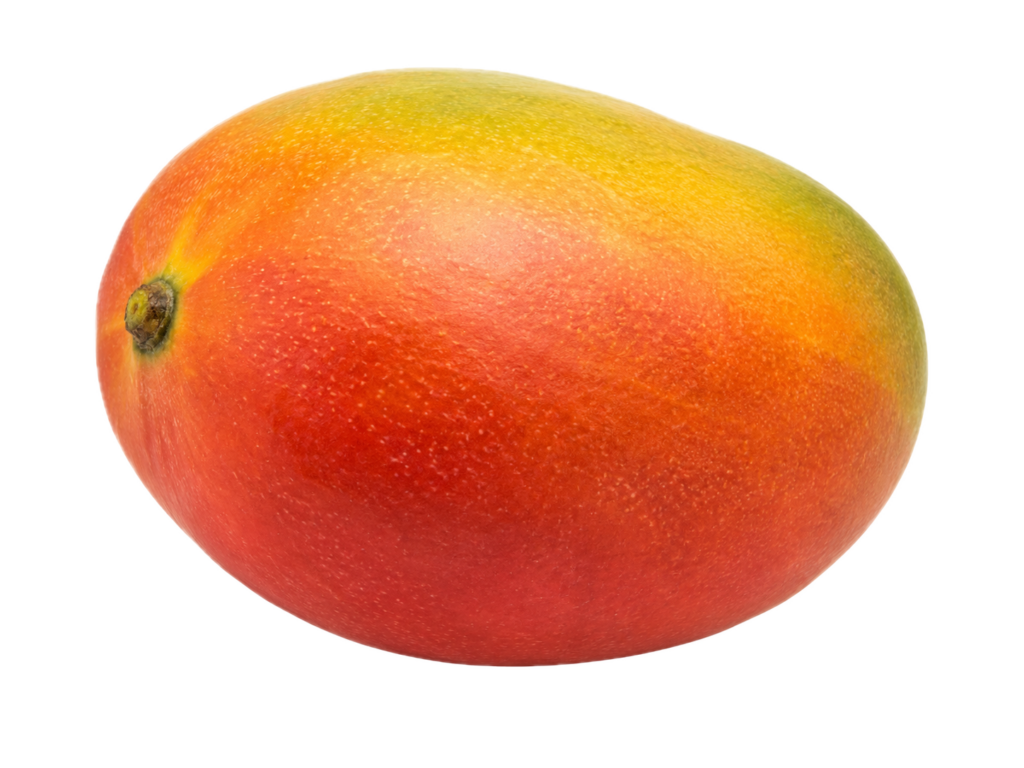
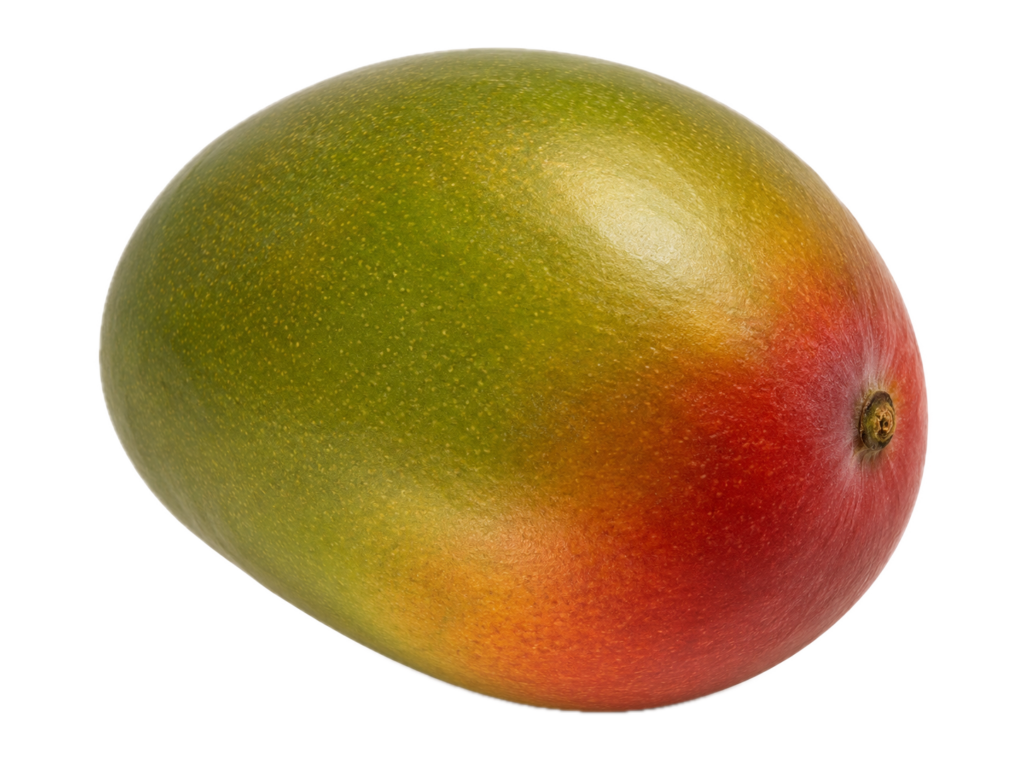
Medium to large mango with red, orange, yellow, and green coloration. The flesh is firm and moderately fibrous with a mild sweet flavor. Known for its excellent shelf life and ability to withstand shipping and handling.
kent
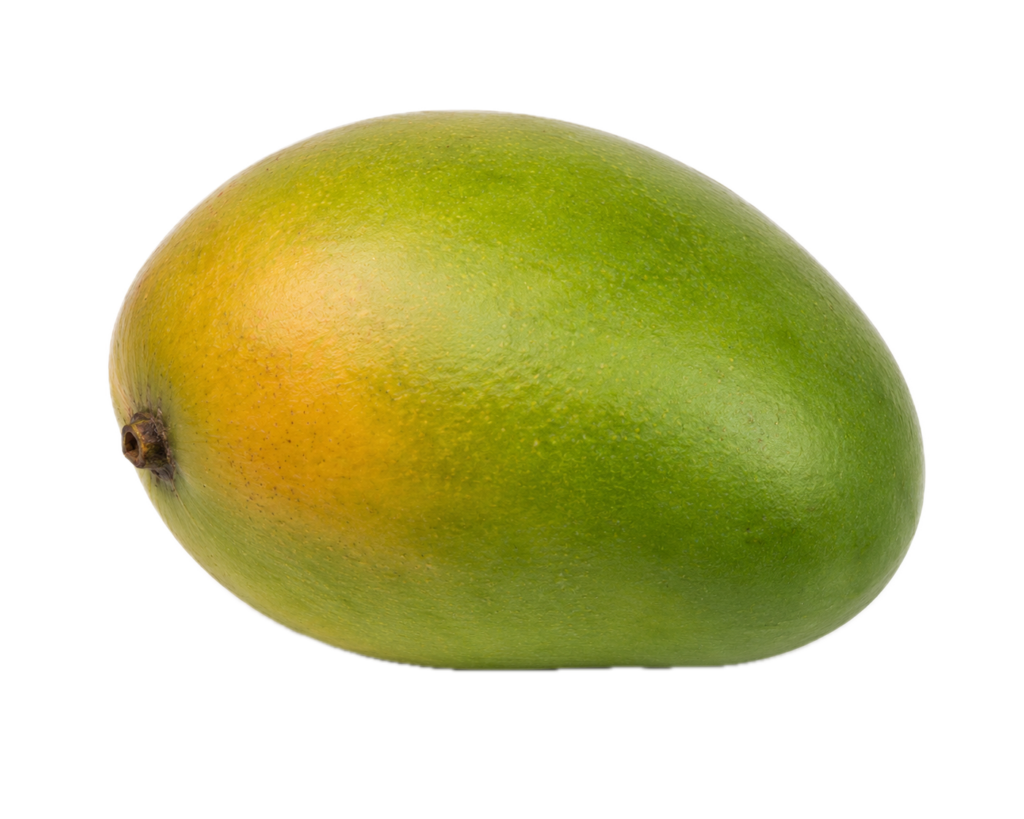
Large, oval-shaped mango with dark green skin that develops red or yellow blush. The flesh is juicy, tender, and nearly fiberless with a rich, sweet flavor. Widely valued for fresh consumption and processing.
Keitt
Large mango with predominantly green skin even when ripe. It features juicy, low-fiber flesh and a sweet flavor with mild acidity. Known for its late harvest season and excellent shelf life.
Manila
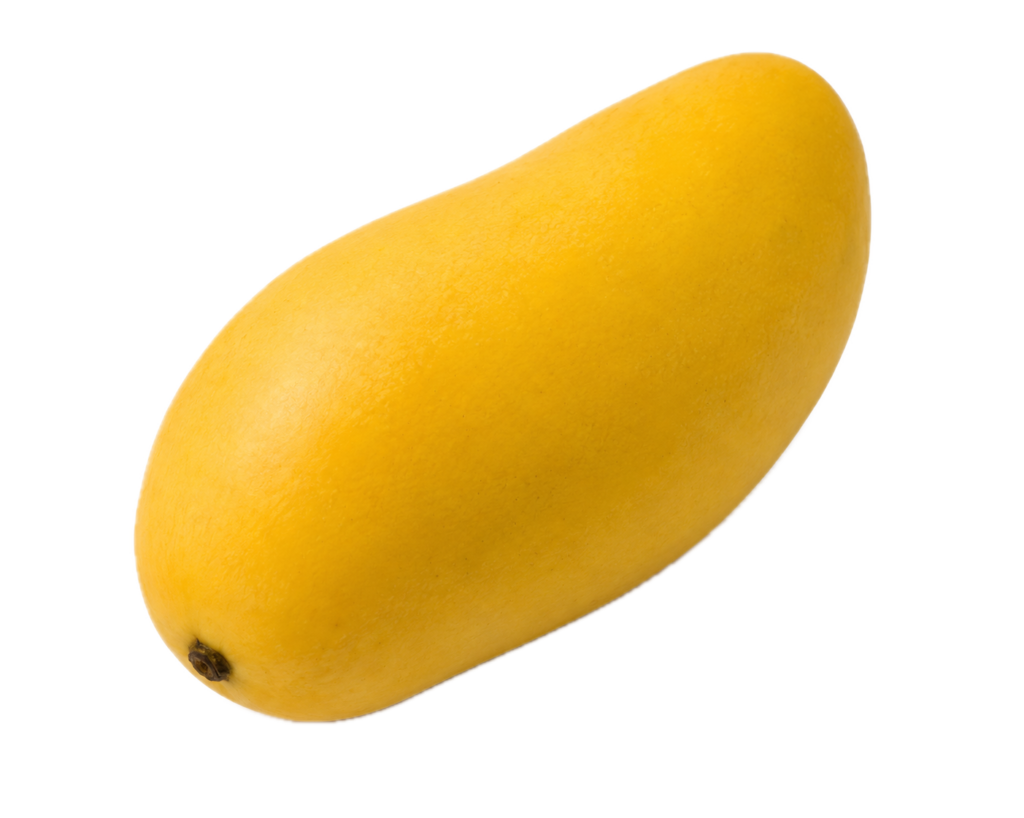
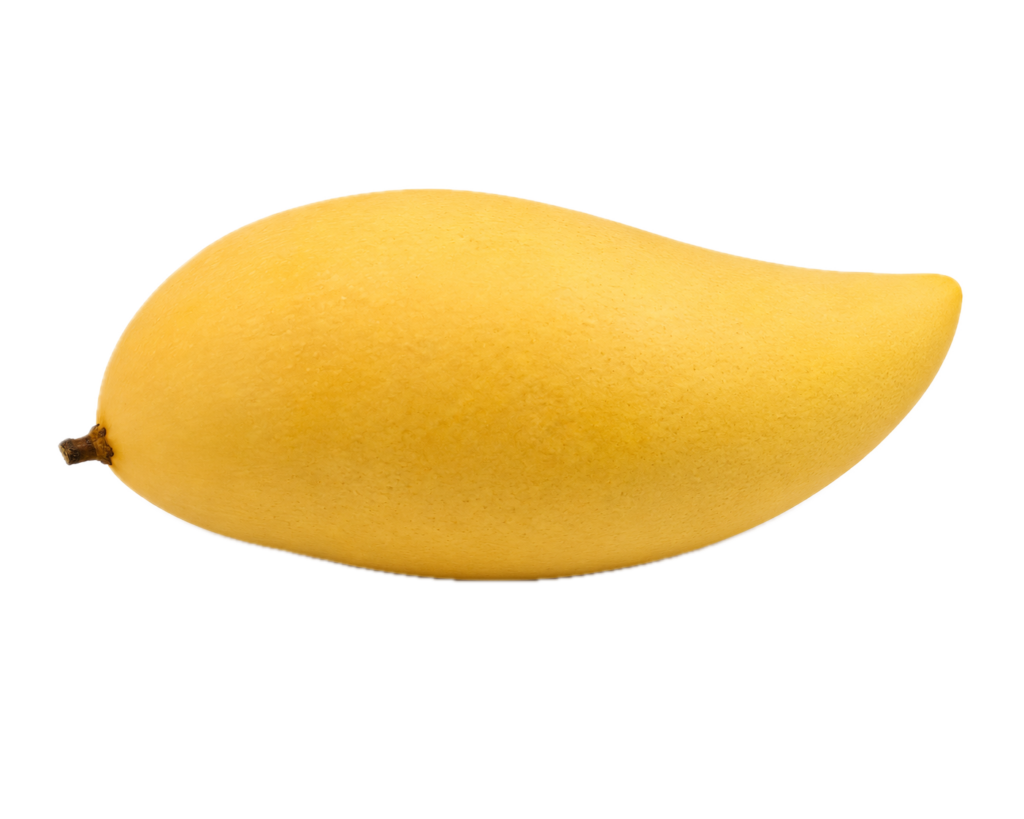
Medium-sized, elongated mango with yellow skin and soft, nearly fiberless flesh. It offers an intensely sweet flavor with floral and tropical notes and is widely consumed fresh.
Nam Doc Mai
Premium Thai mango with an elongated shape and bright yellow skin. The flesh is soft, juicy, and nearly fiberless with exceptional sweetness and a fragrant tropical aroma.
Sunset
Medium-sized mango with attractive yellow, orange, and red coloration. It has juicy, tender flesh with a sweet tropical flavor and is commonly marketed in specialty and premium fruit categories.