
Product Overview
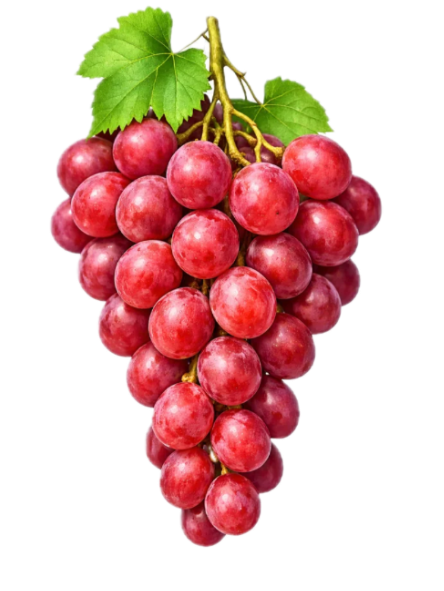
Grapes are one of the most widely cultivated and traded fruits globally, serving both fresh consumption and processing industries. They are valued for their sweet flavor, versatility, and consistent market demand. Grapes are consumed fresh as table grapes and are also used extensively in wine production, juices, raisins, and other processed products. Their wide availability and adaptability make them a key commodity in international produce markets.
Key Characteristics
Grapes are small, round to oval berries that grow in clusters on woody vines. Their skin can range in color from green to red and deep purple depending on the variety. The flesh is juicy and can be either seeded or seedless. Flavor varies from mildly sweet to very sweet with subtle tartness. Texture is firm to crisp in fresh varieties. Grapes are non-climacteric fruits and do not ripen further after harvest.
Nutritional Value
Grapes provide essential nutrients and natural sugars, making them a quick source of energy. They are a good source of vitamin C and vitamin K, and contain antioxidants such as flavonoids and resveratrol, particularly in red varieties. Grapes also provide potassium and are low in fat.
Seasonality and Origin
Grapes are grown in temperate and subtropical regions worldwide. In the United States, peak production occurs from late summer through fall, with California being the primary producer. Globally, major producing countries include China, India, Italy, Spain, Chile, and South Africa. Due to staggered harvest seasons across hemispheres, fresh grapes are available year-round in global markets.
Common Applications
• Fresh consumption
• Juices and beverages
• Wine production
• Raisins and dried fruit
• Salads and culinary dishes
• Desserts and confectionery
Storage and Handling
Proper storage is important to maintain freshness and prevent spoilage.
• Recommended storage temperature: 30°F to 32°F
• Relative humidity: 90–95%
• Shelf life: 1–2 weeks under optimal conditions
• Store in ventilated packaging to prevent moisture buildup
• Avoid washing before storage; wash before use
• Handle carefully to prevent detachment from stems
• Keep away from strong odors as grapes can absorb them
Origin and Background
Grapes have been cultivated for thousands of years, with origins traced to regions of the Near East and Mediterranean. They have played a significant role in agriculture and trade, especially in wine production. Modern cultivation focuses on developing seedless varieties, improving shelf life, and enhancing resistance to pests and environmental conditions to meet global demand.
Grades and Quality Standards
| U.S. Grade Standards | Days Since Shipment | % of Defects Allowed | Optimum Transit Temp. (?) |
| 10-5-2 | 5 4 3 2 1 | 15-8-4 14-8-4 13-7-3 12-6-2 10-5-2 | 32° |
Extra Fancy Grade
• Uniform size, color, and cluster formation
• Free from defects, decay, and shattering
• Firm, well-attached berries
Fancy Grade
• Slight variations in size and appearance
• Minor defects allowed
• Suitable for retail distribution
Commercial / Processing Grade
• Visible defects permitted
• May include loose or detached berries
• Used for juice, wine, raisins, and processing
Types of Grape
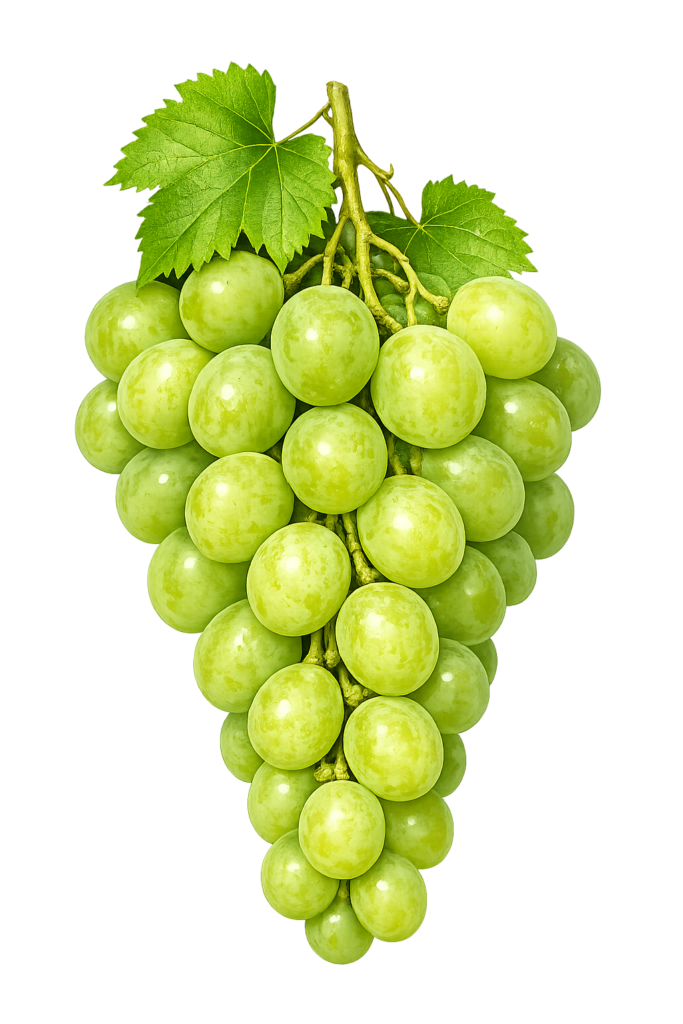
Green
Green grapes, often referred to as white grapes, are typically light green to yellow in color. They have a crisp texture and a mild, sweet flavor. Commonly seedless, they are widely used for fresh consumption, salads, and raisins.
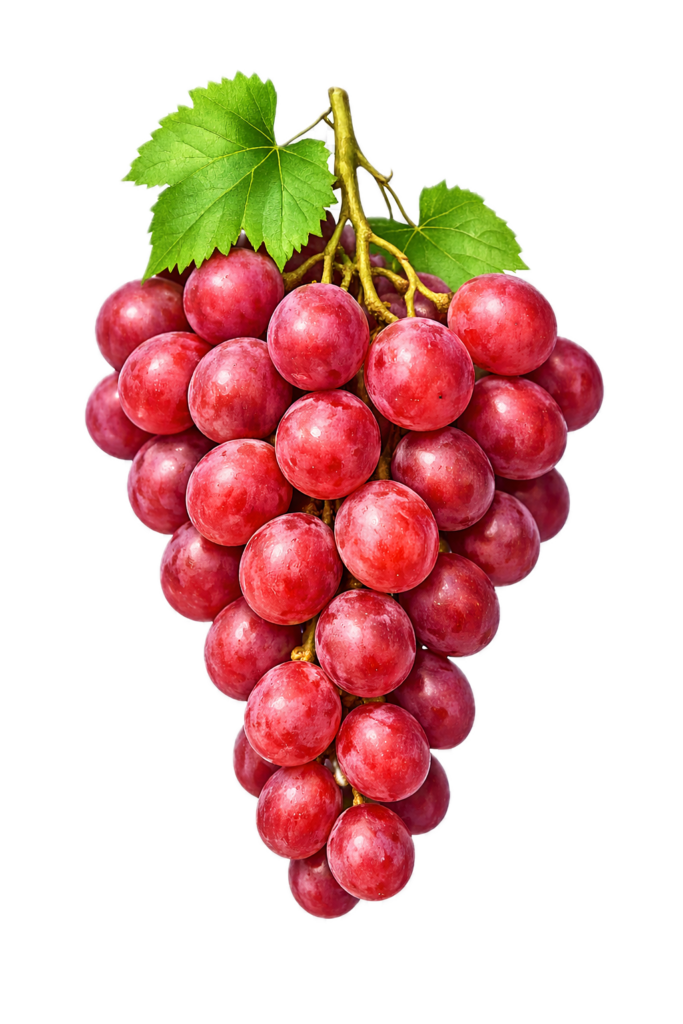
Red
Red grapes range in color from light red to deep purple. They have a sweeter and slightly richer flavor compared to green grapes and contain higher levels of antioxidants. Red grapes are used for fresh consumption, juice production, and winemaking.