
Product Overview
Sweet potato is a nutrient-rich root vegetable valued for its natural sweetness, versatility, and vibrant flesh colors. It is widely cultivated and consumed around the world and is an important commodity in retail, food service, and food processing sectors. Sweet potatoes are commonly marketed fresh and are used in both savory and sweet culinary applications.
Key Characteristics
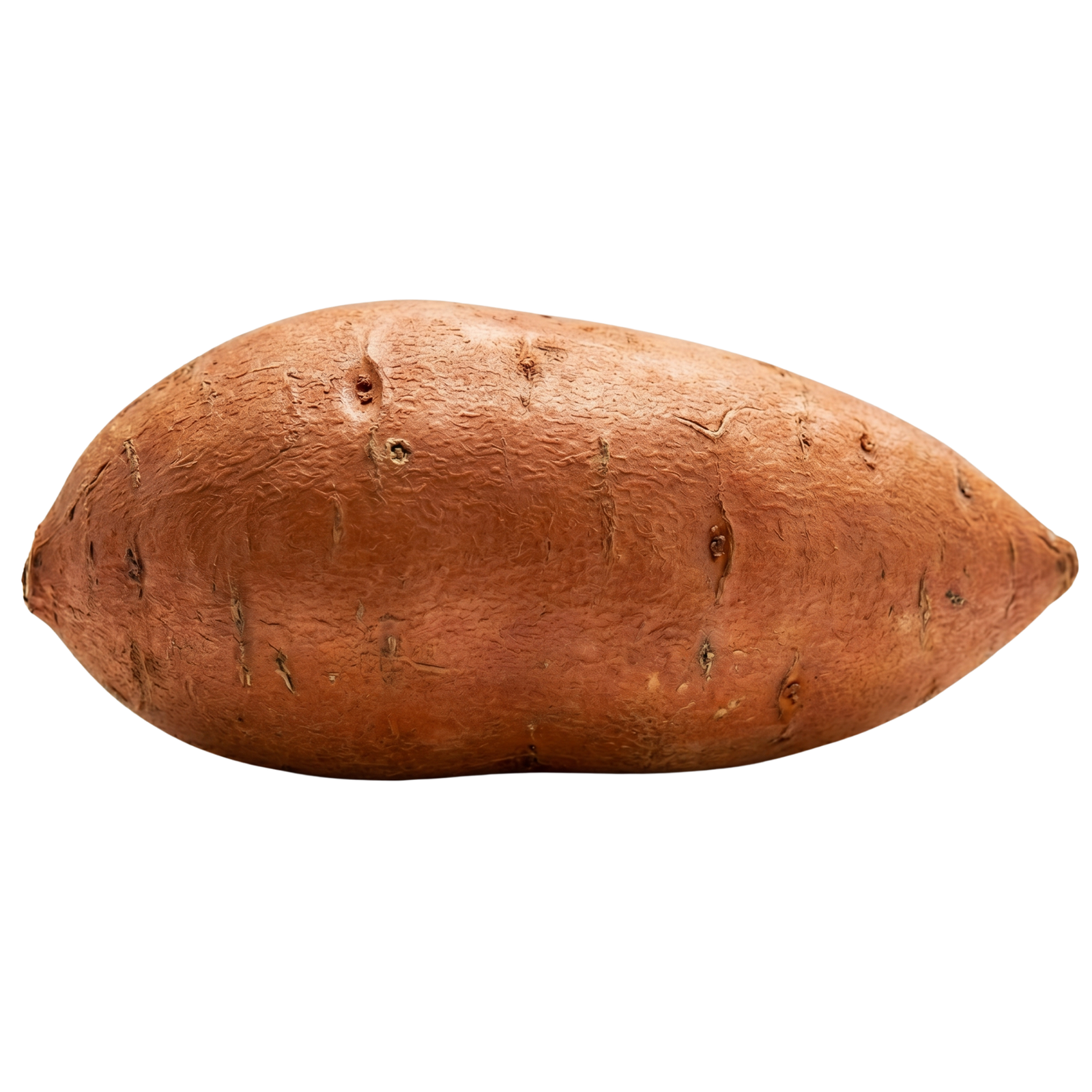
Sweet potatoes are elongated roots with smooth to slightly rough skin that may range from tan and copper to purple or red, depending on the variety. Flesh colors include orange, white, yellow, and purple. The texture becomes soft, moist, and creamy when cooked, with a naturally sweet flavor.
Nutritional Value
Sweet potatoes are an excellent source of dietary fiber, vitamin A (particularly orange-fleshed varieties), vitamin C, vitamin B6, potassium, and antioxidants. They are naturally fat-free and provide complex carbohydrates for sustained energy.
Seasonality and Origin
Sweet potatoes are grown in tropical, subtropical, and temperate regions and are available year-round through production and storage programs. Major producing countries include China, India, the United States, Nigeria, and Indonesia.
Common Applications
• Baking and roasting
• Mashed sweet potatoes
• French fries and chips
• Soups and stews
• Desserts and baked goods
• Baby food and processing applications
Storage and Handling
Proper handling is essential to maintain quality and shelf life.
• Recommended storage temperature: 55°F to 60°F
• Relative humidity: 85–90%
• Shelf life: 2–6 months under optimal conditions
• Store in a cool, dry, well-ventilated area
• Avoid refrigeration, which can affect texture and flavor
• Protect from direct sunlight
• Handle carefully to prevent bruising and cuts
Origin and Background
Sweet potatoes originated in Central and South America and have been cultivated for thousands of years. They spread globally through trade and exploration and became an important staple crop due to their adaptability, nutritional value, and storage capability.
Grades and Quality Standards
Extra Fancy Grade
• Uniform size and shape
• Smooth skin with attractive coloration
• Free from cuts, bruising, decay, and defects
Fancy Grade
• Slight variations in size and appearance
• Minor cosmetic imperfections allowed
• Suitable for retail distribution
Commercial / Processing Grade
• Visible defects permitted
• Maintains internal quality
• Used for processing, foodservice, and bulk culinary applications.
Types of Sweet Potato
Sweet Potato – Japanese
Japanese sweet potatoes feature reddish-purple skin and creamy white flesh that turns golden when cooked. They are known for their dense texture, chestnut-like flavor, and natural sweetness. Commonly used for roasting, baking, and traditional Asian culinary preparations.