
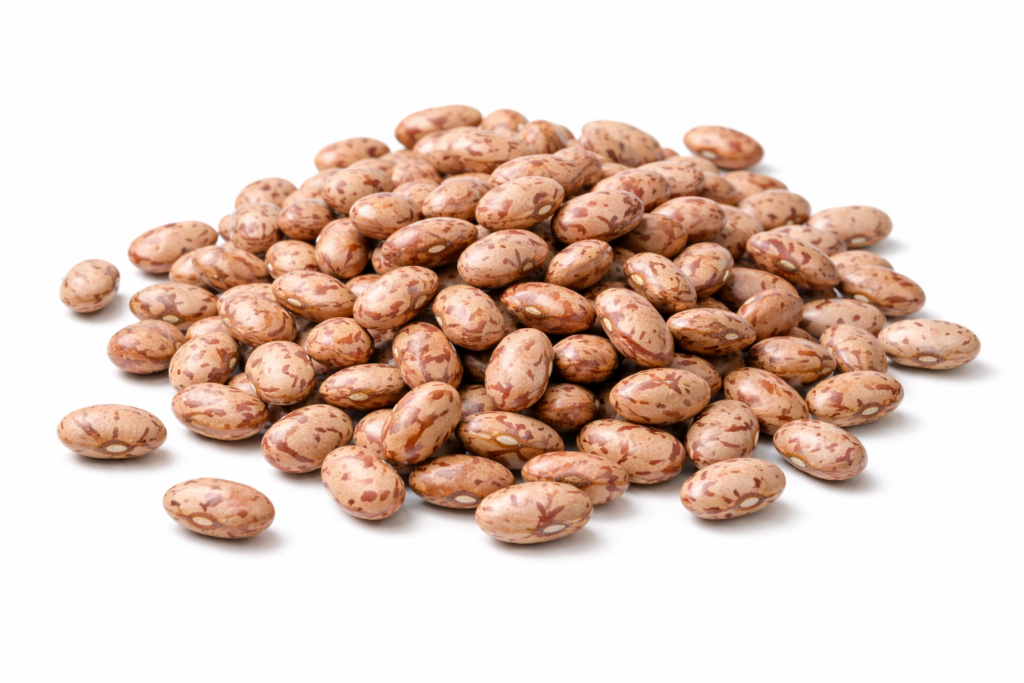
Beans – Pinto
Product Overview
Pinto beans are one of the most widely consumed dry bean varieties in North America and Latin America, valued for their versatility, nutritional content, and broad culinary applications. Derived from Phaseolus vulgaris, pinto beans are recognized for their distinctive speckled appearance and creamy texture when cooked. They are extensively utilized in retail, food service, and food manufacturing sectors due to their affordability, long shelf life, and strong consumer demand.
Key Characteristics
Pinto beans are medium-sized beans with a beige background color covered by reddish-brown speckles. When cooked, the speckled pattern fades and the beans develop a soft, creamy texture with a mild, earthy flavor. Pinto beans are commonly sold in dried, canned, and processed forms. Their ability to absorb flavors and maintain a desirable texture makes them highly versatile in a wide range of culinary applications.
Nutritional Value
Pinto beans are an excellent source of plant-based protein and dietary fiber. They provide important nutrients including folate, iron, magnesium, phosphorus, potassium, and manganese. Pinto beans are naturally low in fat and cholesterol-free, making them a popular ingredient in balanced and nutritious diets.
Seasonality and Origin
Peak Harvest Season: September to November (Northern Hemisphere)
Pinto beans are cultivated in temperate and semi-arid agricultural regions worldwide. Major producing countries include the United States, Mexico, Canada, Brazil, and China. Due to drying and storage capabilities, pinto beans are available year-round in commercial markets.
Common Applications
• Refried beans
• Soups and stews
• Burritos and tacos
• Chili and bean dishes
• Side dishes and salads
• Canned bean products
• Food manufacturing applications
Storage and Handling
Proper storage is essential to maintain quality and maximize shelf life.
• Recommended storage temperature: 50°F to 70°F
• Relative humidity: Below 65%
• Shelf life: 1–3 years under optimal conditions
• Store in a cool, dry, and well-ventilated area
• Protect from moisture and humidity exposure
• Keep containers tightly sealed to prevent pest infestation
• Rotate inventory regularly to maintain freshness
• Avoid contamination from foreign materials and strong odors
Origin and Background
Pinto beans originated in the Americas and have been cultivated for thousands of years as an important staple crop. They became particularly prominent in Mexican and Southwestern United States cuisine due to their adaptability, nutritional value, and versatility. Modern production focuses on yield improvement, disease resistance, uniform appearance, and meeting quality standards for domestic and export markets.
Grades and Quality Standards
Extra Fancy Grade
• Uniform size, shape, and coloration
• Clean appearance with well-defined speckling
• Low moisture content
• Free from foreign material, insect damage, and defects
• Excellent cooking quality
Fancy Grade
• Slight variations in size and color permitted
• Minor cosmetic imperfections allowed
• Good appearance and cooking characteristics
Commercial / Processing Grade
• Greater variation in size and appearance allowed
• May contain minor defects within acceptable industry limits
• Used for canning, processed foods, flour production, and food manufacturing applications