
Product Overview
Malanga Coco is a tropical root vegetable widely cultivated in Latin America, the Caribbean, and parts of Central America. It is valued for its starchy texture, mild nutty flavor, and versatility in cooking. Malanga Coco is an important commodity in specialty produce markets and is commonly used in traditional Caribbean and Latin American cuisine.
Key Characteristics
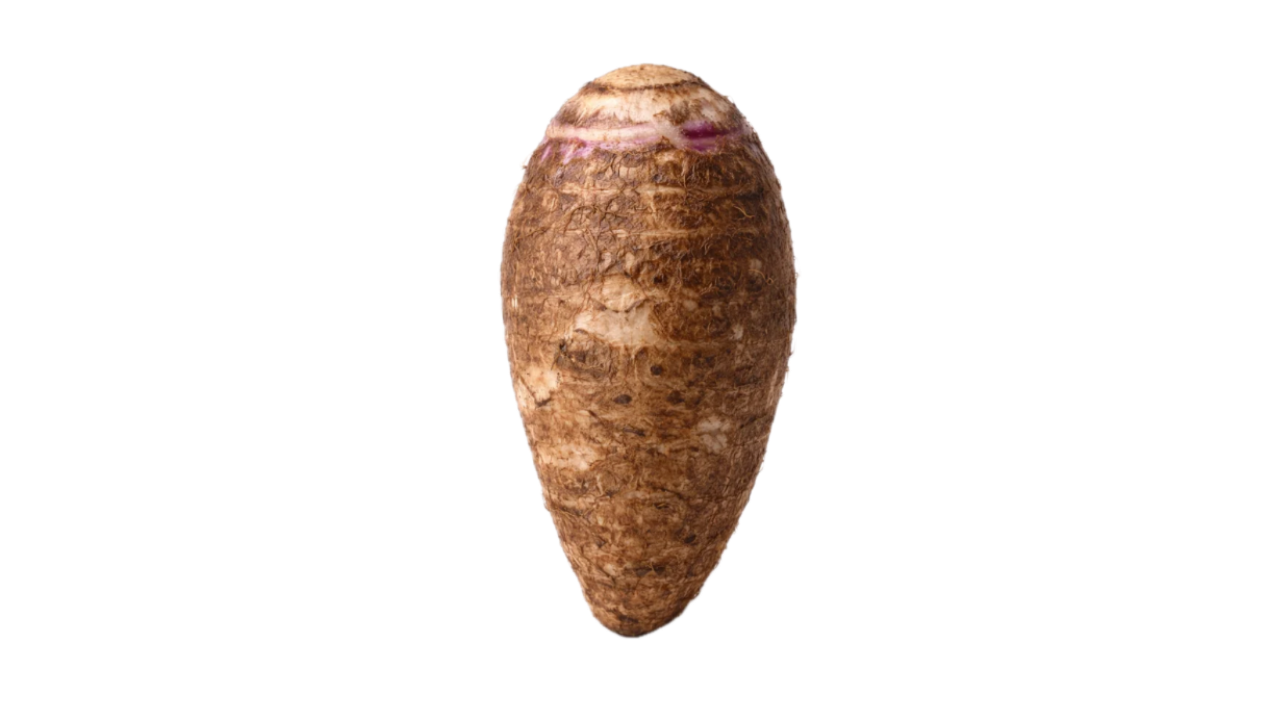
Malanga Coco produces rough, hairy brown skin with white to cream-colored flesh. The corm is typically round to oval in shape and has a dense, starchy texture. When cooked, the flesh becomes soft and creamy with a mild, earthy, and slightly nutty flavor. Malanga Coco is usually consumed cooked rather than raw.
Nutritional Value
Malanga Coco is a good source of complex carbohydrates and dietary fiber. It also provides vitamin C, vitamin B6, potassium, magnesium, and other essential minerals. Its high starch content makes it an excellent energy source.
Seasonality and Origin
Malanga Coco is grown in tropical and subtropical climates and is available year-round in many producing regions. Major production areas include Cuba, the Dominican Republic, Puerto Rico, Costa Rica, Honduras, Nicaragua, and other parts of Central and South America.
Common Applications
• Boiled and mashed dishes
• Soups and stews
• Fried root vegetable preparations
• Purees
• Traditional Caribbean cuisine
• Gluten-free flour production
Storage and Handling
Proper handling is essential to maintain quality and prevent spoilage.
• Recommended storage temperature: 45°F to 55°F
• Relative humidity: 85–90%
• Shelf life: Several weeks under optimal conditions
• Store in a cool, dry, and well-ventilated area
• Avoid excessive moisture accumulation
• Handle carefully to prevent cuts and bruising
• Do not refrigerate for extended periods
Origin and Background
Malanga Coco has been cultivated for centuries throughout tropical regions of the Americas and Caribbean. It is a staple ingredient in many traditional cuisines due to its nutritional value, versatility, and ability to thrive in warm climates. Modern cultivation focuses on yield, root quality, and disease resistance.
Grades and Quality Standards
Extra Fancy Grade
• Uniform size and shape
• Firm texture with healthy skin appearance
• Free from cuts, decay, and defects
Fancy Grade
• Slight variations in size and appearance
• Minor cosmetic imperfections allowed
• Suitable for retail distribution
Commercial / Processing Grade
• Visible defects permitted
• Maintains internal quality
• Used for processing, flour production, and bulk foodservice applications