
Product Overview
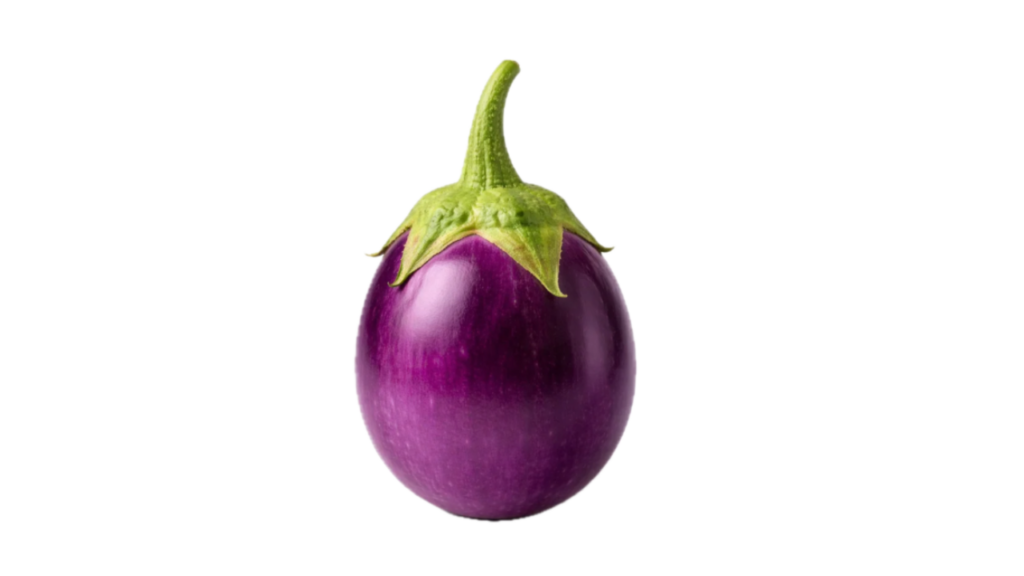
Indian eggplant, also known as Indian brinjal, is a specialty eggplant variety widely used in South Asian cuisine. It is valued for its tender texture, mild flavor, and versatility in cooking. Indian eggplant is an important commodity in fresh produce markets and is commonly sold through retail and food service channels.
Key Characteristics
Indian eggplants are small to medium-sized and typically round to oval in shape. They have smooth, glossy skin that ranges from deep purple to purple-green depending on the variety. The flesh is pale, tender, and contains small edible seeds. Flavor is mild, slightly sweet, and less bitter when harvested young. Indian eggplant is non-climacteric and does not ripen further after harvest.
Nutritional Value
Indian eggplant is low in calories and provides dietary fiber, vitamin C, vitamin B6, and antioxidants. It also contains small amounts of potassium and other essential nutrients, making it a nutritious vegetable choice.
Seasonality and Origin
Indian eggplant is grown in warm tropical and subtropical climates and is available year-round through continuous cultivation. Major production regions include India, Bangladesh, Pakistan, Sri Lanka, and Southeast Asia.
Common Applications
• Curries and stews
• Stuffed eggplant dishes
• Roasting and grilling
• Stir-fries
• Traditional Indian cuisine
• Vegetarian preparations
Storage and Handling
Proper handling is important to maintain freshness and prevent chilling injury.
• Recommended storage temperature: 50°F to 54°F
• Relative humidity: 90–95%
• Shelf life: 1–2 weeks under optimal conditions
• Avoid temperatures below 50°F
• Store in a cool, well-ventilated area
• Handle carefully to prevent bruising and skin damage
• Keep away from ethylene-producing commodities
Origin and Background
Indian eggplant has been cultivated in South Asia for centuries and is one of the most important vegetables in Indian cuisine. It is prized for its adaptability, flavor, and suitability for a wide range of traditional dishes. Modern cultivation focuses on improving yield, uniformity, and post-harvest quality.
Grades and Quality Standards
Extra Fancy Grade
• Uniform size, shape, and coloration
• Smooth, glossy skin
• Free from blemishes, bruising, and defects
Fancy Grade
• Slight variations in size and appearance
• Minor cosmetic imperfections allowed
• Suitable for retail distribution
Commercial / Processing Grade
• Visible defects permitted
• Maintains internal quality
• Used for cooking, processing, and bulk foodservice applications.