
Product Overview
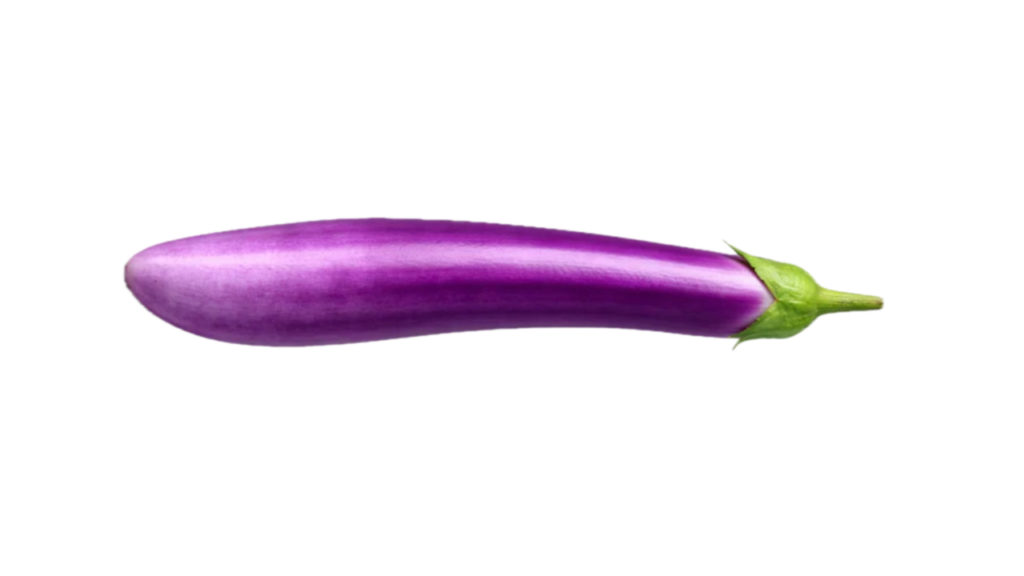
Chinese eggplant is a specialty eggplant variety valued for its tender texture, thin skin, and mild sweet flavor. It is widely used in Asian cuisines and is an important commodity in retail and food service markets. Its delicate flesh and quick cooking characteristics make it a popular choice for stir-fries and specialty dishes.
Key Characteristics
Chinese eggplant is long, slender, and cylindrical with smooth skin that ranges from light purple to deep violet. The flesh is pale, tender, and contains fewer seeds than larger eggplant varieties. Flavor is mild, slightly sweet, and less bitter than traditional globe eggplants. Chinese eggplant is non-climacteric and does not ripen further after harvest.
Nutritional Value
Chinese eggplant is low in calories and provides dietary fiber, vitamin C, vitamin B6, and antioxidants. It also contains small amounts of potassium and other essential nutrients, making it a nutritious addition to a balanced diet.
Seasonality and Origin
Chinese eggplant is grown in warm climates and is available year-round through continuous cultivation. Major production regions include China, Taiwan, Southeast Asia, and North America. Its popularity supports widespread commercial production.
Common Applications
• Stir-fries
• Grilling and roasting
• Braised dishes
• Curries and stews
• Asian cuisine preparations
• Vegetarian dishes
Storage and Handling
Proper handling is important to maintain freshness and prevent chilling injury.
• Recommended storage temperature: 50°F to 54°F
• Relative humidity: 90–95%
• Shelf life: 1–2 weeks under optimal conditions
• Avoid temperatures below 50°F
• Store in a cool, well-ventilated area
• Handle carefully to prevent bruising and skin damage
• Keep away from ethylene-producing commodities
Origin and Background
Chinese eggplant has been cultivated in East Asia for centuries and is a staple ingredient in Chinese and other Asian cuisines. It is prized for its tender texture, mild flavor, and versatility. Modern cultivation focuses on improving yield, uniformity, and post-harvest quality.
Grades and Quality Standards
Extra Fancy Grade
• Uniform size, shape, and purple coloration
• Smooth, glossy skin
• Free from blemishes, bruising, and defects
Fancy Grade
• Slight variations in size and appearance
• Minor cosmetic imperfections allowed
• Suitable for retail distribution
Commercial / Processing Grade
• Visible defects permitted
• Maintains internal quality
• Used for cooking, processing, and bulk foodservice applications
Product Overview
Eggplant – Chinese is a long, slender eggplant variety widely used in Asian cuisine and valued for its tender flesh, thin skin, and mild sweet flavor. It is commonly supplied in fresh markets, food service, and specialty retail programs. Due to its fast cooking properties and growing demand in Asian culinary applications, Chinese eggplant is an important commodity in the wholesale vegetable trade.
Key Characteristics
Chinese eggplant is elongated and narrow with smooth, glossy purple skin that may range from deep violet to lighter lavender shades. The flesh is pale, soft, and less seedy than globe eggplant, allowing for quicker cooking and a more delicate texture. High-quality fruit should be firm, lightweight but fresh, and free from shriveling or dull skin.
Common Applications
• Stir-fries and sautéed dishes
• Braised Asian recipes
• Grilling and roasting
• Steaming and stuffing
• Noodle and rice dishes
• Food service and retail use
Seasonality and Origin
Peak Season: Summer to early autumn (best quality), available year-round
Country of Origin: China and East Asia
Preferred Temperature: 10°C to 12°C
Storage and Handling
Chinese eggplant requires moderate refrigeration to maintain firmness.
• Recommended storage temperature: 10°C to 12°C
• Relative humidity: 90–95%
• Shelf life of 1–2 weeks under proper storage
• Sensitive to chilling below 8°C
• Store in ventilated packaging
• Handle carefully to prevent bruising
Origin and Background
Eggplant has been cultivated in Asia for centuries, with Chinese varieties bred for their slender shape and tender flesh. It is a staple ingredient in many regional dishes and has gained popularity in global markets. Produce industry references recognize Chinese eggplant as a high-demand specialty vegetable.
Grades and Quality Standards
Extra Fancy Grade
• Long, uniform slender shape
• Glossy purple skin
• Firm and fresh appearance
• Preferred for premium retail and export markets
Fancy Grade
• Minor size or surface variations
• Slight cosmetic imperfections allowed
• Suitable for wholesale distribution
Commercial / Processing Grade
• Cosmetic defects permitted
• Acceptable internal quality
• Used for cooking and processing
Chinese eggplant is graded based on size uniformity, skin gloss, firmness, color, and absence of decay, following international fresh eggplant quality standards.