
Product Overview
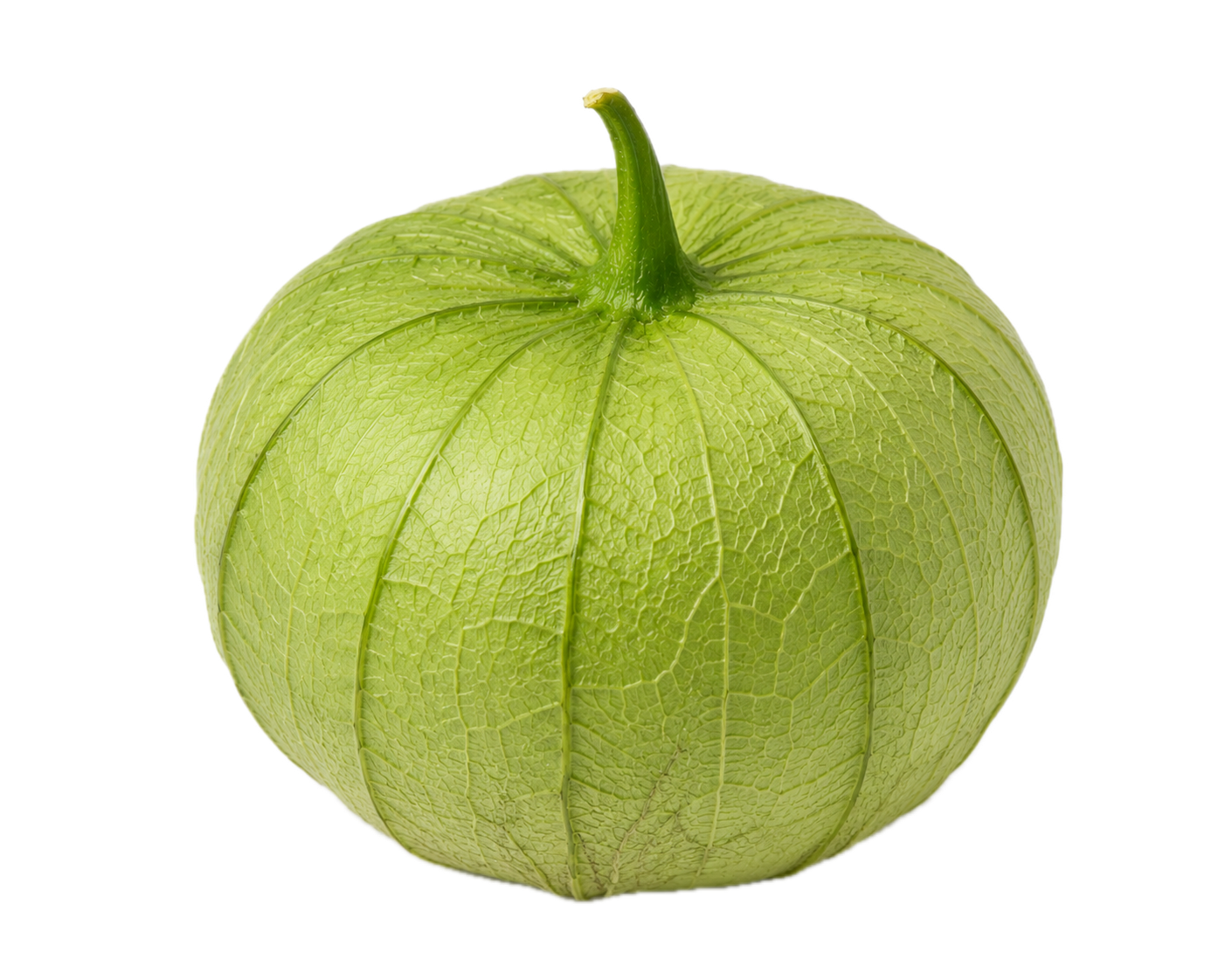
Tomatillo (Husk), also known as husk tomato, is a fruit-bearing crop belonging to the Physalis philadelphica species. It is distinguished by its edible fruit enclosed within a protective papery husk. Tomatillos are highly valued for their bright, tangy flavor and are widely used in Mexican and Latin American cuisine. They are marketed fresh and utilized extensively in retail, food service, and food processing sectors due to their culinary versatility and strong consumer demand.
Key Characteristics
Tomatillos are small to medium-sized round fruits enclosed in a thin, lantern-like husk that develops around the fruit during growth. The fruit is typically harvested when green and firm, although some varieties mature to yellow or purple. The flesh is dense, juicy, and slightly sticky due to a natural waxy coating. Tomatillos offer a tart, citrus-like flavor with mild herbal notes. The protective husk helps shield the fruit during handling and storage, contributing to extended shelf life.
Nutritional Value
Tomatillos are low in calories and provide dietary fiber, vitamin C, vitamin K, and potassium. They also contain antioxidants and beneficial phytonutrients that contribute to their nutritional value. Their low fat content and nutrient density make them a popular ingredient in healthy culinary applications.
Seasonality and Origin
Peak Season: June to October
Tomatillos are cultivated in warm and temperate growing regions worldwide. Major production areas include Mexico, the United States, Guatemala, and other parts of Central America. Through regional production and protected agriculture systems, tomatillos are available for extended periods throughout the year in many markets.
Common Applications
• Salsa verde production
• Traditional Mexican sauces
• Soups and stews
• Roasted and grilled preparations
• Fresh relishes and salads
• Canning and processing applications
• Latin American cuisine
Storage and Handling
Proper storage is essential to maintain freshness and preserve fruit quality.
• Recommended storage temperature: 41°F to 50°F
• Relative humidity: 90–95%
• Shelf life: 2–4 weeks under optimal conditions
• Store with husks attached whenever possible
• Maintain adequate ventilation during storage
• Avoid excessive moisture accumulation
• Handle carefully to prevent bruising and husk damage
• Refrigerate for extended storage life
Origin and Background
Tomatillos originated in Mexico, where they have been cultivated for thousands of years as an important agricultural crop. Ancient Mesoamerican civilizations relied on tomatillos as a staple ingredient long before the introduction of modern tomatoes. The natural husk surrounding the fruit provides protection and contributes to its distinctive appearance. Modern cultivation focuses on improving fruit uniformity, disease resistance, yield, and postharvest quality while maintaining traditional flavor characteristics.
Grades and Quality Standards
Extra Fancy Grade
• Uniform size, shape, and coloration
• Fresh, intact husks fully enclosing the fruit
• Firm texture and excellent appearance
• Free from bruising, decay, insect damage, and defects
Fancy Grade
• Slight variations in size and appearance permitted
• Minor cosmetic imperfections allowed
• Suitable for retail and food service distribution
Commercial / Processing Grade
• Greater variation in size and appearance allowed
• May contain minor husk damage or surface blemishes
• Used for sauces, salsas, canned products, purees, and food manufacturing applications