
Product Overview
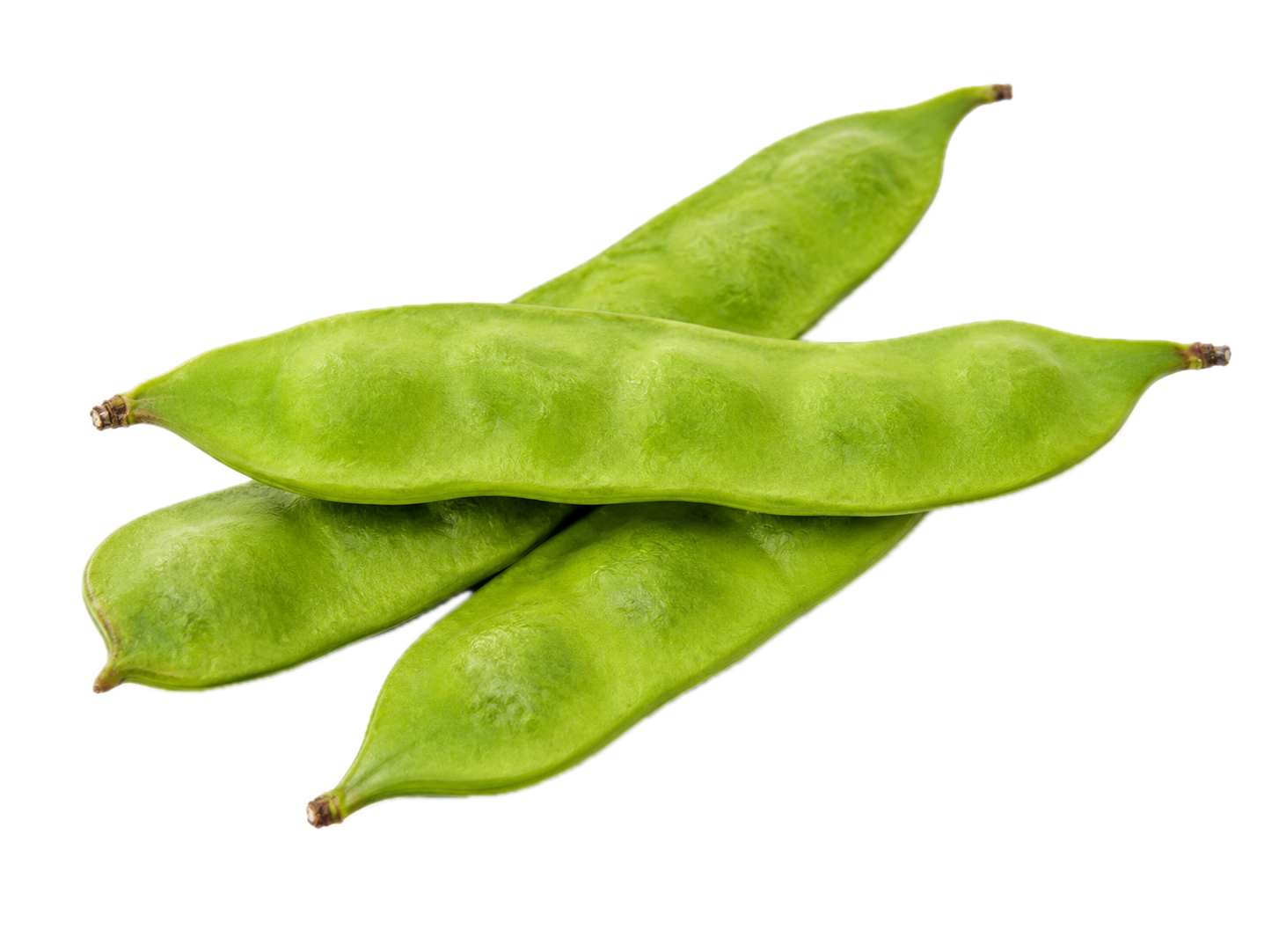
Green guaje is a traditional edible seed pod harvested from Leucaena esculenta, a tree native to Mexico and parts of Central America. It is highly valued in regional cuisine for its fresh flavor, tender texture, and cultural significance. Green guaje is commonly marketed fresh in specialty produce markets and is widely used in traditional Mexican dishes, fresh salsas, and regional culinary preparations.
Key Characteristics
Green guaje grows in elongated, flat seed pods that contain multiple immature green seeds. The seeds are tender, crisp, and possess a distinctive flavor that is mildly earthy, nutty, and slightly pungent with subtle garlic-like notes. Compared to mature red guaje, green guaje offers a fresher, milder taste and softer texture. The seeds are typically consumed fresh and are prized for their unique culinary characteristics.
Nutritional Value
Green guaje seeds provide plant-based protein, dietary fiber, and essential minerals including calcium, phosphorus, potassium, and iron. They also contain beneficial amino acids and naturally occurring plant compounds. Their nutritional profile makes them a valuable component of traditional diets and fresh vegetable preparations.
Seasonality and Origin
Peak Season: Spring through Summer
Green guaje is primarily cultivated and harvested in Mexico, particularly in Oaxaca, Guerrero, Puebla, Morelos, and surrounding regions. The trees thrive in warm, semi-arid climates and produce pods seasonally. Fresh green guaje is commonly available in local and specialty markets during the harvest season.
Common Applications
• Fresh salsas and sauces
• Traditional Mexican cuisine
• Salads and vegetable dishes
• Soups and stews
• Fresh snack preparations
• Regional Oaxacan specialties
• Specialty culinary applications
Storage and Handling
Proper handling is important to maintain freshness and seed quality.
• Recommended storage temperature: 45°F to 50°F
• Relative humidity: 85–90%
• Shelf life: 1–2 weeks under optimal conditions
• Store in a cool, dry, and well-ventilated area
• Avoid excessive moisture accumulation
• Handle carefully to prevent pod damage and seed bruising
• Refrigerate for extended freshness when necessary
• Inspect regularly for signs of deterioration
Origin and Background
Green guaje has been consumed in Mexico since pre-Hispanic times and remains an important ingredient in traditional regional cuisine. Indigenous communities have long valued the seeds for their flavor, nutritional benefits, and adaptability to local growing conditions. The guaje tree is well suited to dry climates and continues to be cultivated throughout many regions of Mexico. Modern production focuses on maintaining freshness, quality, and marketability while preserving traditional culinary uses.
Grades and Quality Standards
Extra Fancy Grade
• Uniform pod size and bright green seed coloration
• Fresh appearance and tender seed texture
• Clean pods free from damage, discoloration, and decay
• Excellent flavor and overall quality
Fancy Grade
• Slight variations in pod size and seed appearance
• Minor cosmetic imperfections permitted
• Suitable for retail and food service distribution
Commercial / Processing Grade
• Greater variation in appearance and size allowed
• May contain minor external defects within acceptable limits
• Used for processing, prepared foods, sauces, and specialty food manufacturing applications