
Product Overview
Smooth chayote is the most widely cultivated variety of chayote (Sechium edule), valued for its smooth skin, mild flavor, crisp texture, and versatility in culinary applications. It is commonly marketed fresh and is widely utilized in retail, food service, and food processing sectors. Smooth chayote is popular throughout Latin America, the Caribbean, Asia, and increasingly in international produce markets due to its adaptability and nutritional value.
Key Characteristics
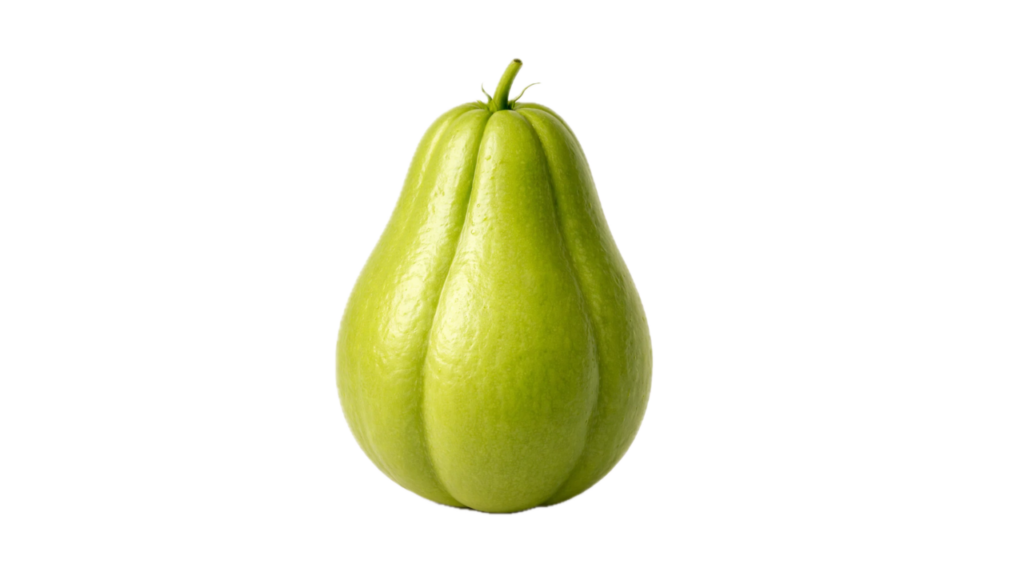
Smooth chayote is pear-shaped with a light green to dark green exterior that lacks the spines found on thorned varieties. The flesh is pale green to white, firm, crisp, and mildly flavored, often compared to cucumber, squash, or zucchini. It contains a single large edible seed at its center. Smooth chayote is prized for its tender texture, ease of handling, and versatility in both raw and cooked preparations.
Nutritional Value
Smooth chayote is low in calories and provides dietary fiber, vitamin C, folate, and potassium. It also contains small amounts of magnesium, manganese, and antioxidants. With its high water content and nutrient density, chayote is widely used in healthy and low-calorie diets.
Seasonality and Origin
Peak Season: August to November
Smooth chayote is cultivated in tropical and subtropical regions around the world. Major production areas include Mexico, Costa Rica, Guatemala, Honduras, Brazil, the Dominican Republic, and parts of Southeast Asia. Due to production across multiple growing regions, smooth chayote is available for much of the year in commercial markets.
Common Applications
• Fresh salads and slaws
• Soups and stews
• Stir-fried dishes
• Stuffed vegetable preparations
• Steamed and roasted vegetables
• Traditional Latin American cuisine
• Food processing applications
Storage and Handling
Proper storage is essential to maintain freshness and preserve quality.
• Recommended storage temperature: 45°F to 50°F
• Relative humidity: 85–90%
• Shelf life: 2–4 weeks under optimal conditions
• Store in a cool, dry, and well-ventilated area
• Avoid temperatures below 45°F to prevent chilling injury
• Handle carefully to prevent bruising and skin damage
• Avoid excessive moisture accumulation during storage
Origin and Background
Chayote originated in Mesoamerica and has been cultivated for centuries as an important vegetable crop. Smooth varieties became widely adopted due to their ease of handling, attractive appearance, and broad consumer acceptance. Today, smooth chayote is cultivated throughout tropical and subtropical regions worldwide and remains a staple ingredient in many traditional cuisines. Modern cultivation focuses on improving yield, uniformity, disease resistance, and postharvest quality.
Grades and Quality Standards
Extra Fancy Grade
• Uniform size, shape, and green coloration
• Smooth, clean skin with firm texture
• Free from bruising, cuts, decay, and insect damage
• Excellent appearance and overall quality
Fancy Grade
• Slight variations in size, shape, and color permitted
• Minor cosmetic imperfections allowed
• Suitable for retail and food service distribution
Commercial / Processing Grade
• Greater variation in appearance and size allowed
• May contain minor surface blemishes or cosmetic defects
• Used for fresh-cut processing, prepared foods, freezing, and food manufacturing applications