
Product Overview
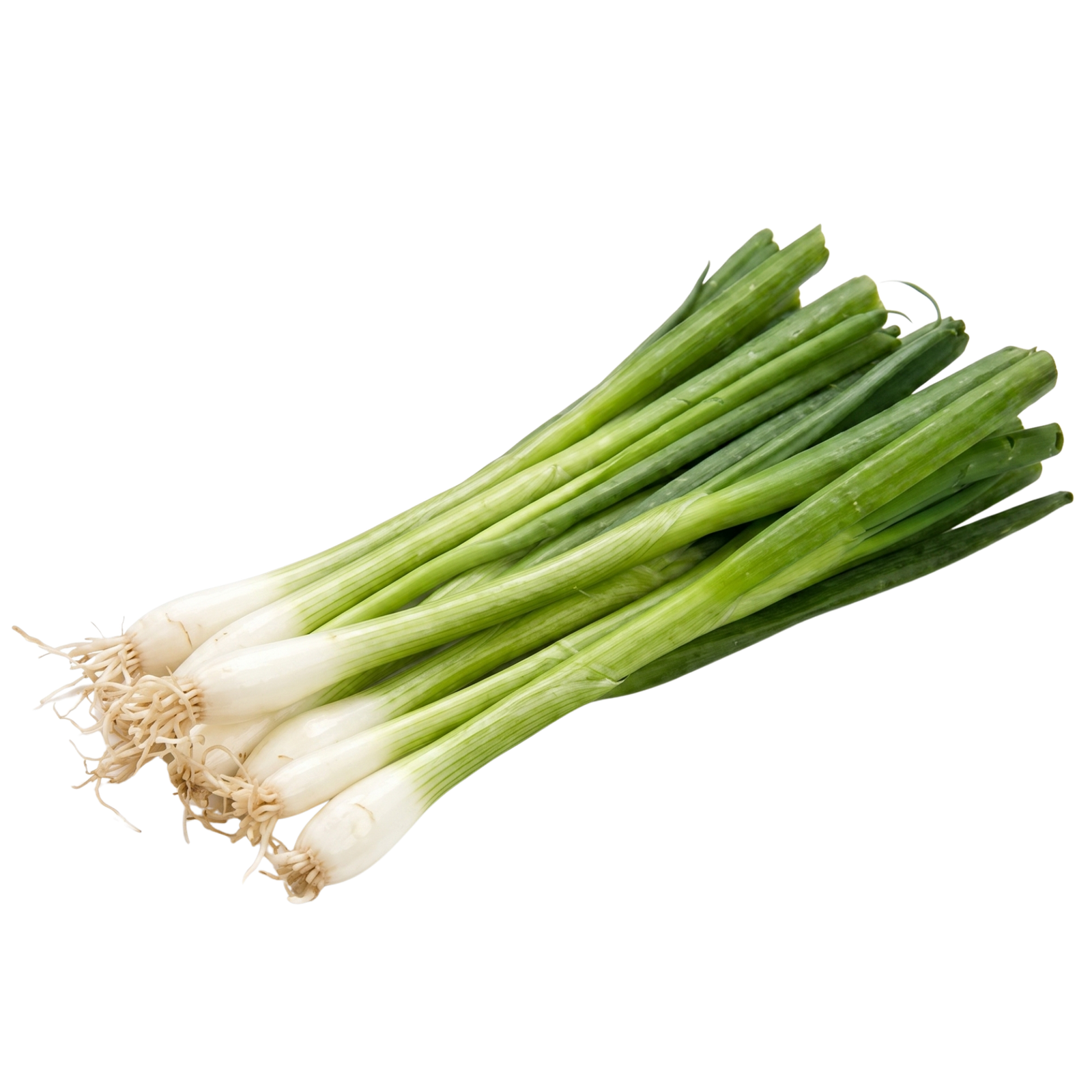
Green onion, also known as scallion or spring onion, is a widely used vegetable valued for its mild onion flavor, crisp texture, and versatility in fresh and cooked applications. It is an important commodity in retail, food service, and produce markets worldwide.
Key Characteristics
Green onions consist of long, hollow green leaves attached to a slender white stem with an undeveloped bulb. Both the white and green portions are edible. The flavor is milder and fresher than mature bulb onions, with a slightly sweet and pungent taste. Green onions are highly perishable and require careful handling.
Nutritional Value
Green onions are low in calories and provide vitamin K, vitamin C, vitamin A, and folate. They also contain dietary fiber, antioxidants, and small amounts of potassium and calcium, making them a nutritious addition to a balanced diet.
Seasonality and Origin
Green onions are grown in temperate and subtropical regions and are available year-round through continuous cultivation. Major production regions include the United States, Mexico, China, Japan, South Korea, and Southeast Asia.
Common Applications
• Garnishing
• Salads and fresh preparations
• Soups and broths
• Stir-fries
• Asian cuisine
• Sauces and dressings
Storage and Handling
Proper handling is essential to maintain freshness and prevent wilting.
• Recommended storage temperature: 32°F to 36°F
• Relative humidity: 95–100%
• Shelf life: 1–2 weeks under optimal conditions
• Store in moisture-retentive packaging
• Keep refrigerated at all times
• Avoid excessive moisture accumulation
• Handle gently to prevent bruising and leaf damage
Origin and Background
Green onions have been cultivated for centuries across Asia, Europe, and the Middle East. Their mild flavor, rapid growth cycle, and culinary versatility have made them one of the most widely used allium vegetables worldwide. Modern production focuses on uniformity, freshness, and shelf life.
Grades and Quality Standards
Extra Fancy Grade
• Fresh, crisp green leaves and white stems
• Uniform size and appearance
• Free from yellowing, wilting, and defects
Fancy Grade
• Slight variations in size and appearance
• Minor cosmetic imperfections allowed
• Suitable for retail distribution
Commercial / Processing Grade
• Visible defects permitted
• Maintains internal quality
• Used for foodservice, processing, and bulk culinary applications