
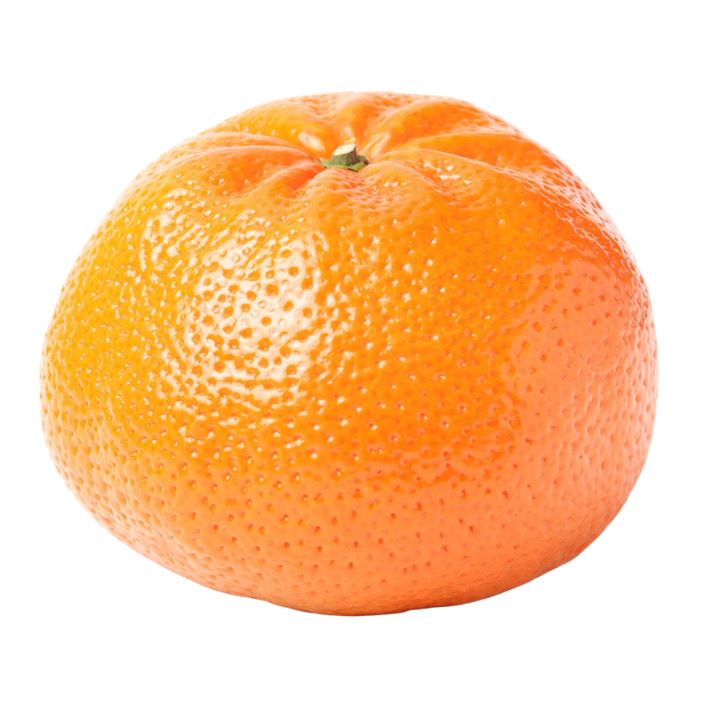
Product Overview
Mandarins are a widely traded citrus fruit known for their easy peelability, sweet flavor, and consumer convenience. They are a key commodity in both fresh and processed markets, particularly popular in retail and food service sectors. Mandarins are often marketed as snack-friendly citrus due to their segmented structure and minimal preparation requirements.
Key Characteristics
Mandarins are small to medium-sized citrus fruits with a thin, loose skin that ranges from bright orange to deep orange in color. The peel is easy to remove, and the flesh is divided into segments that are typically juicy and tender. Flavor is sweet with low to moderate acidity. Some varieties are seedless, while others may contain seeds. Mandarins are non-climacteric fruits and do not ripen further after harvest.
Nutritional Value
Mandarins are rich in vitamin C and provide dietary fiber. They contain antioxidants and small amounts of vitamin A and potassium. Their natural sugars and hydration properties make them a healthy snack option.
Seasonality and Origin
Mandarins are grown in subtropical and Mediterranean climates. Major production regions include China, Spain, Morocco, Turkey, and the United States (California). They are typically available from fall through winter, with extended availability due to global sourcing.
Common Applications
• Fresh consumption
• Fruit salads
• Juices and beverages
• Desserts and confectionery
• Lunchbox and snack use
• Culinary dishes
Storage and Handling
Proper storage helps maintain juiciness and extend shelf life.
• Recommended storage temperature: 45°F to 50°F
• Relative humidity: 85–90%
• Shelf life: 1–2 weeks under optimal conditions
• Store in a cool, well-ventilated area
• Handle carefully to prevent skin damage
• Avoid excessive moisture
• Refrigerate to extend freshness
Origin and Background
Mandarins are believed to have originated in Southeast Asia and have been cultivated for centuries. They spread globally through trade and are now one of the most widely consumed citrus fruits. Modern production focuses on developing seedless varieties, improving peelability, and enhancing flavor and shelf life.
Grades and Quality Standards
| U.S. Grade Standards | Days Since Shipment | % of Defects Allowed | Optimum Transit Temp. (°F) |
| 12-[7 VSD]-3 (Destination) | 5 4 3 2 1 | 15-[8 VSD]-4 14-[8 VSD]-4 13-[7 VSD]-3 12-[6 VSD]-2 10-[5 VSD]-2 | 40° |
Extra Fancy Grade
• Uniform size, shape, and bright color
• Easy-peeling skin with no major defects
• High juice content and proper maturity
Fancy Grade
• Slight variations in size and appearance
• Minor surface imperfections allowed
• Suitable for retail distribution
Commercial / Processing Grade
• Visible defects permitted
• May include skin blemishes or irregular shape
• Used for juice and processing applications