
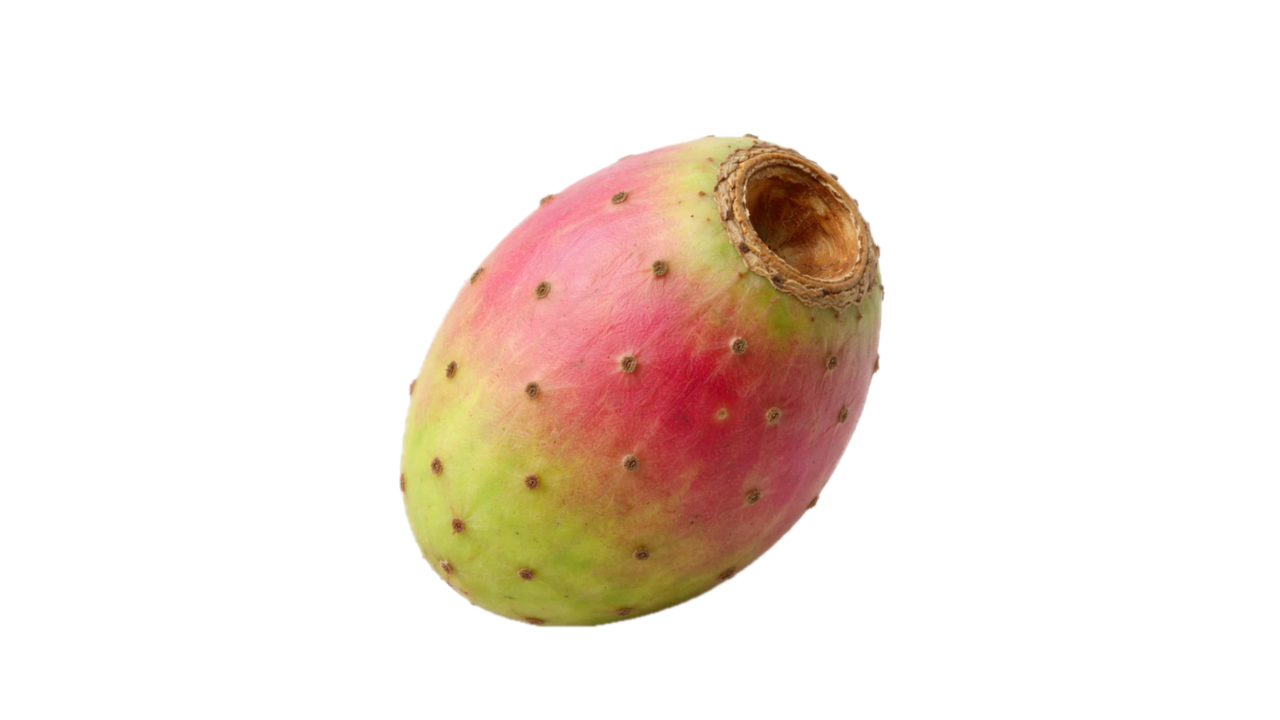
Product Overview
Xoconostle is a traditional cactus fruit native to Mexico, distinct from sweet prickly pear due to its sour flavor profile. It is valued for its culinary use in savory dishes and sauces rather than fresh sweet consumption. Xoconostle is primarily marketed in regional and specialty produce markets and holds cultural significance in Mexican cuisine.
Key Characteristics
Xoconostle is a small to medium-sized cactus fruit with a firm outer skin that ranges from green to pinkish-red. Unlike prickly pear, it has thicker walls and a central cavity filled with seeds embedded in a mucilaginous pulp. The flesh is firm and acidic, with a tangy, sour flavor. Xoconostle is non-climacteric and does not ripen further after harvest.
Nutritional Value
Xoconostle is low in calories and provides dietary fiber. It contains vitamin C and antioxidants, contributing to its nutritional value. It also offers small amounts of calcium and other minerals.
Seasonality and Origin
Xoconostle is grown in arid and semi-arid regions, primarily in Mexico. It is typically harvested during late summer through fall. Availability is mostly regional, with limited presence in international markets.
Common Applications
• Salsas and sauces
• Traditional Mexican dishes
• Soups and stews
• Pickled preparations
• Culinary seasoning
Storage and Handling
Proper handling helps maintain firmness and prevent spoilage.
• Recommended storage temperature: 41°F to 45°F
• Relative humidity: 85–90%
• Shelf life: 2–3 weeks under optimal conditions
• Store in a cool, dry, and well-ventilated area
• Avoid excessive moisture
• Handle carefully to prevent cuts and bruising
• Keep away from ethylene-producing commodities
Origin and Background
Xoconostle originates from Mexico and has been used for centuries in traditional cuisine. It is derived from specific varieties of Opuntia cactus and is valued for its sour taste and culinary versatility. It remains an important ingredient in regional dishes and cultural food practices.
Grades and Quality Standards
Extra Fancy Grade
• Uniform size, shape, and color
• Firm texture with no surface damage
• Free from defects and decay
Fancy Grade
• Slight variations in size and appearance
• Minor surface imperfections allowed
• Suitable for retail distribution
Commercial / Processing Grade
• Visible defects permitted
• May include irregular shape or surface damage
• Used for processing and traditional culinary applications