
Product Overview
Watermelon is a widely traded fruit known for its high water content, refreshing taste, and strong consumer demand. It is a major commodity in global produce markets, distributed in both retail and food service sectors. Watermelon is primarily consumed fresh and is valued for its size, sweetness, and hydrating properties.
Key Characteristics
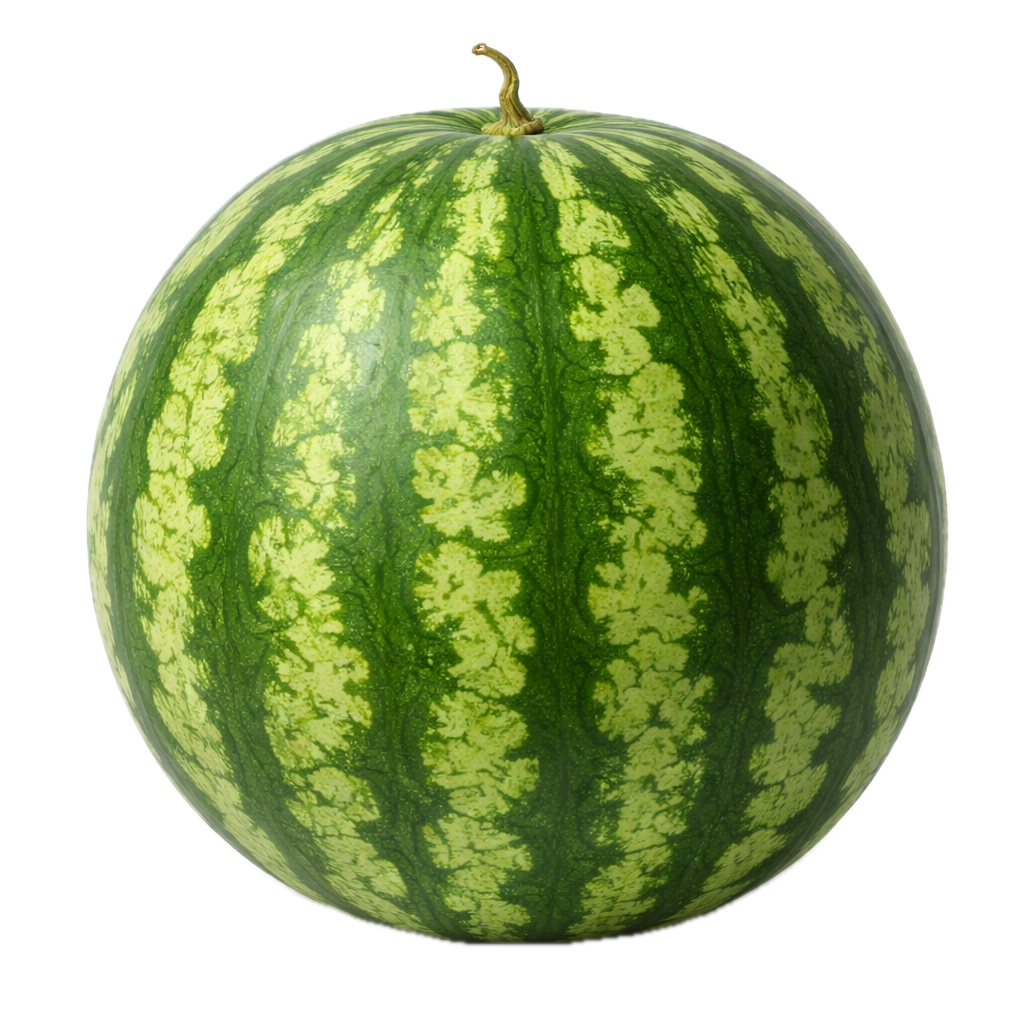
Watermelon is a large, round to oblong fruit with a thick rind that is typically green with striped or mottled patterns. The flesh is usually red, though it may vary depending on the variety, and contains small edible seeds or may be seedless. The texture is crisp, juicy, and refreshing. Flavor is sweet and mild. Watermelon is non-climacteric and does not ripen further after harvest.
Nutritional Value
Watermelon is low in calories and high in water content, making it highly hydrating. It provides vitamin C, vitamin A (as beta-carotene), and antioxidants such as lycopene, particularly in red-fleshed varieties. It also contains small amounts of potassium and other nutrients.
Seasonality and Origin
Watermelon is grown in warm climates and is available from multiple production regions. In the United States, major production occurs in states such as Florida, Texas, and California, with peak availability during summer months. Globally, key producers include China, Turkey, India, and Brazil. Due to staggered growing regions, watermelon is available for extended periods in the market.
Common Applications
• Fresh consumption
• Fruit salads
• Juices and beverages
• Desserts and chilled dishes
• Smoothies
• Culinary presentations
Storage and Handling
Proper handling is important to maintain quality and prevent deterioration.
• Recommended storage temperature: 50°F to 59°F
• Relative humidity: 85–90%
• Shelf life: 2–3 weeks whole; shorter once cut
• Store in a cool, dry, well-ventilated area
• Refrigerate once cut and cover properly
• Handle carefully to avoid rind damage
• Avoid exposure to very low temperatures
Origin and Background
Watermelon is believed to have originated in Africa and has been cultivated for thousands of years. It spread globally through trade and agricultural development and is now one of the most widely grown fruits worldwide. Modern production focuses on improving sweetness, seedlessness, and shelf life for commercial distribution.
Grades and Quality Standards
| U.S. Grade Standards | Days Since Shipment | % of Defects Allowed | Optimum Transit Temp. (°F) |
| 10-5-2 | 5 4 3 2 1 | 15-8-4 14-8-4 13-7-3 11-6-2 10-5-2 | 50-60° |
Extra Fancy Grade
• Uniform size, shape, and rind pattern
• Firm fruit with no bruising or defects
• Good internal quality and sweetness
Fancy Grade
• Slight variations in size and appearance
• Minor surface imperfections allowed
• Suitable for retail distribution
Commercial / Processing Grade
• Visible defects permitted
• May include irregular shape or rind damage
• Used for processing and foodservice applications